Why standing waves appear frozen in space despite constant, intense internal movement
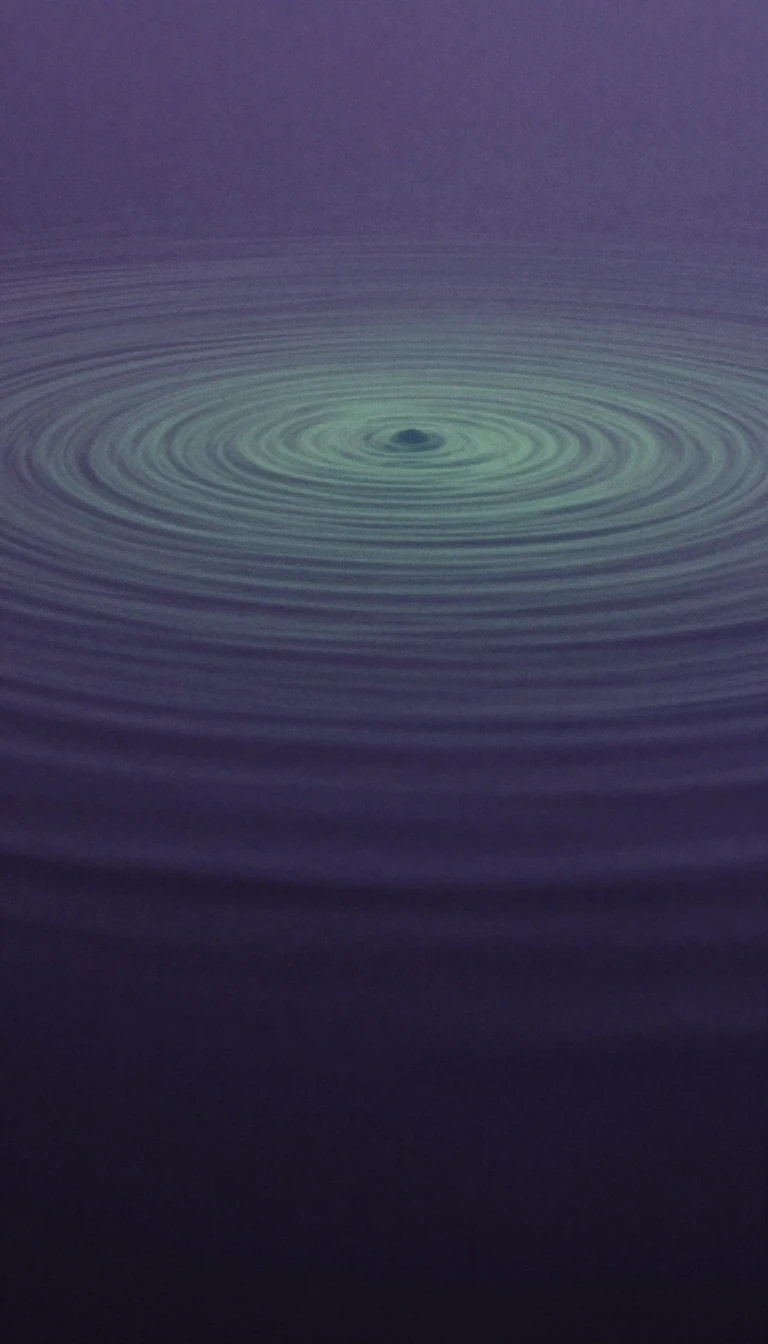
In short: A standing wave is a paradox of motion: two waves travel in opposite directions, yet their interference creates a pattern that remains fixed in space. While the energy within the wave is immense, the net movement is zero, resulting in a stationary profile that defies our intuition about wave propagation.
At its core, a standing wave is the result of interference between two waves of identical frequency and amplitude moving in opposite directions. When these waves are superimposed, their energies either cancel out or combine. In a classic example, a vibrating rope tied at one end reflects waves back upon themselves. As the incoming wave train meets the reflected train, they interfere to produce an oscillating wave that appears locked in place. Because the two waves are constantly moving in opposition, there are specific points along the medium, known as nodes, where no movement occurs at all. These nodes represent locations where the two wave trains are always in total opposition.
On either side of these stationary nodes, you will find antinodes—points of maximum displacement. These antinodes alternate in direction, causing the medium to vibrate in a pattern that resembles a sine wave at any given instant. This phenomenon is not limited to simple ropes; it applies to both longitudinal waves, such as sound, and transverse waves, like those seen on water surfaces. The resultant amplitude of the standing wave is the sum of the individual amplitudes of the component waves, meaning that at peak interference, the standing wave can reach twice the amplitude of the waves that created it.
The scientific study of these waves has a rich history. Michael Faraday first observed them in 1831 by watching the surface of a liquid in a vibrating container. Later, around 1860, Franz Melde coined the term 'standing wave' and demonstrated the effect using vibrating strings. Today, we understand that these waves are fundamental to resonance, occurring whenever waves are reflected back and forth within a system. Whether in the atmosphere, river rapids, or electrical transmission lines, standing waves represent a delicate balance where energy is trapped, creating a stable, oscillating structure that persists as long as the conditions for interference are maintained.
Opens the Intellect+ feed with this card first. Swipe up for the next one.
Sources
- Summary by Intellect · source: Standing wave | Definition & Facts | Britannica
- Also: Standing wave
To cite this card, link to https://intellectplus.co.uk/app/science-standing-wave.
How we source, check and correct cards: Editorial standards.
General information, not professional advice. Spotted an error? Flag the card or see corrections and complaints.
Intellect Plus is a visual educational discovery platform for exploring fascinating facts and ideas. Brain Food, Not Brain Rot. What is Intellect Plus?
Related
More in Waves · More in Science · Latest · A–Z · All topics
