Why scientists use particle accelerators to peer inside ancient texts and modern batteries
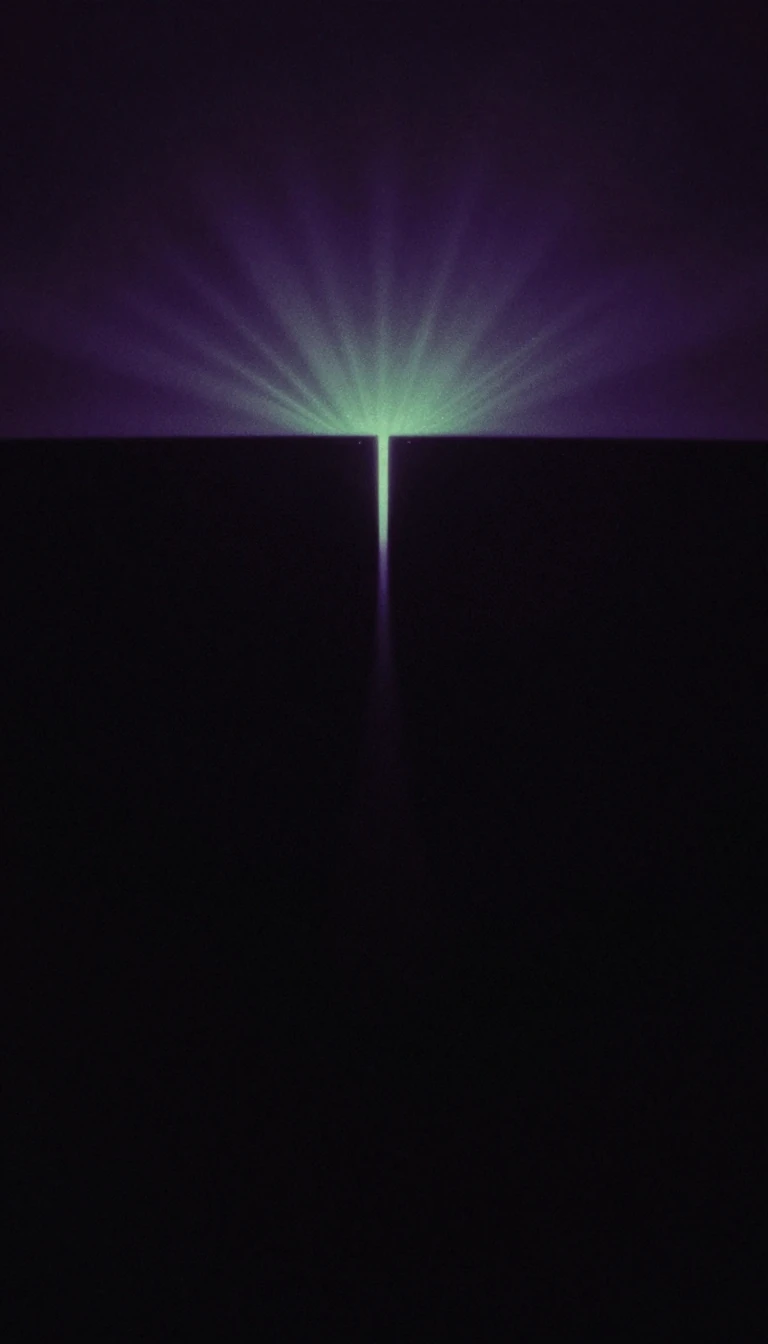
In short: Synchrotron radiation is the intense light emitted when charged particles, like electrons, are forced to change direction at near-light speeds. Originally considered a nuisance in particle physics, this brilliant, focused energy has become a vital tool for imaging everything from the molecular structure of proteins to fossilized dinosaur feathers.
At the heart of a synchrotron light source is a particle accelerator that pushes electrons to more than 99 percent of the speed of light. When these electrons are steered through magnetic fields, they are forced to change direction, causing them to emit a cone of electromagnetic radiation. While this phenomenon occurs naturally in space—such as in the magnetic fields surrounding Jupiter or within the Crab Nebula—researchers now harness it artificially to produce exceptionally bright X-ray beams.
The utility of this radiation lies in its intensity and versatility. By using specialized arrays of magnets called undulators, scientists can wiggle the electron beam to produce even brighter light. This radiation is then directed at samples, where researchers analyze how the light scatters, diffracts, or is absorbed. Because different materials interact with X-rays in unique ways, this process reveals microscopic details about chemical composition and atomic structure that are otherwise invisible.
The applications are vast and interdisciplinary. In medicine and biology, synchrotron light helps map the structure of proteins, aiding the fight against diseases like Alzheimer’s. In energy research, it allows engineers to observe how lithium-ion batteries degrade at an atomic level, leading to designs that retain more energy over thousands of cycles. Beyond the lab, it serves cultural heritage, allowing historians to read faded, ancient religious texts by detecting how different inks absorb X-ray energy.
Though originally viewed as an energy-loss problem for circular accelerators, the field shifted in the 1980s as facilities were built specifically to exploit this radiation. Today, dozens of these light sources operate globally, serving as essential infrastructure for modern science. By providing a window into the atomic world, synchrotron radiation continues to illuminate the fundamental mechanisms of nature, from the smallest biomolecules to the vast magnetic fields of distant quasars.
Opens the Intellect+ feed with this card first. Swipe up for the next one.
Sources
- Summary by Intellect · source: Synchrotrons, the Swiss Army knives of science
- Also: What is synchrotron radiation?
- Also: Synchrotron radiation | X-ray, Electrons, Accelerators | Britannica
- Also: Synchrotron radiation
To cite this card, link to https://intellectplus.co.uk/app/science-synchrotron-radiation.
How we source, check and correct cards: Editorial standards.
General information, not professional advice. Spotted an error? Flag the card or see corrections and complaints.
Intellect Plus is a visual educational discovery platform for exploring fascinating facts and ideas. Brain Food, Not Brain Rot. What is Intellect Plus?
Related
More in Electromagnetism · More in Science · Latest · A–Z · All topics
