If telekinesis were real, casino profits would be ruined
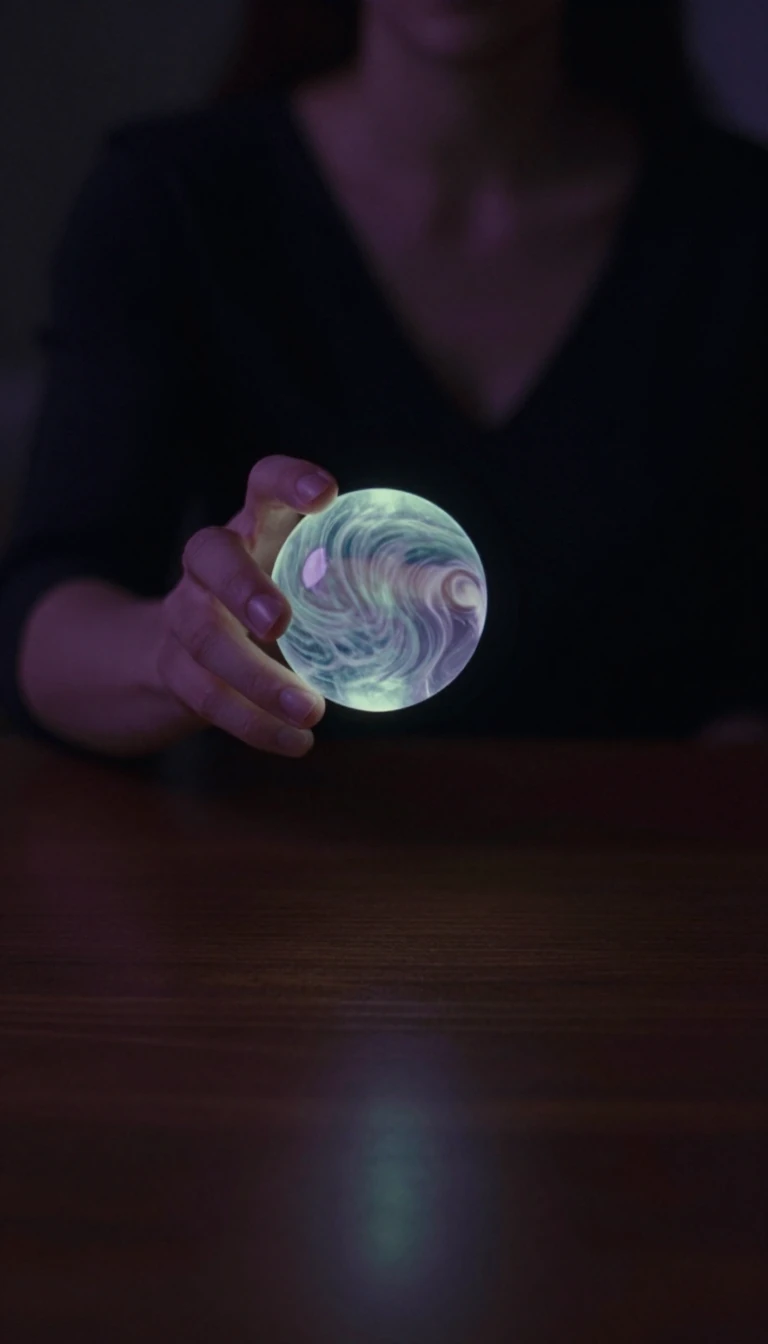
In short: The idea of moving objects with your mind suggests a fundamental break in the laws of physics. Yet, if such a power existed, it would be impossible to hide. From the behavior of atoms to the mechanics of gambling, science suggests that a world with telekinesis would look nothing like our own.
Telekinesis, or psychokinesis, is the purported ability to influence physical systems without direct contact. Despite a 130-year history of research, there is a broad scientific consensus that no reliable evidence exists for the phenomenon. In 1984, the National Academy of Sciences even investigated military applications for telekinesis, such as jamming enemy weaponry, but concluded in a 1987 report that there was no scientific evidence for its existence. The committee criticized micro-telekinesis experiments for departing from good scientific practice and dismissed macro-telekinesis as being open to deception by conjurors.
The primary reason for this skepticism is that telekinesis violates established physical laws, including the conservation of momentum, the conservation of energy, and the inverse-square law. Physicist John Taylor noted that any 'fifth force' required to move atoms would have to be stronger than the electromagnetic forces binding them together. Since no such force has been detected—even down to many orders of magnitude—the idea is considered physically impossible. Furthermore, if the mind could directly act on matter, every scientific measurement would become unreliable, as an experimenter's wishes could theoretically falsify any objective result.
Beyond physics, the lack of everyday evidence provides a significant hurdle. If telekinesis were a real process, its effects would manifest in daily life, yet none are observed. Philosophers and writers have pointed out that if it were possible, casino incomes would be affected, but earnings remain exactly as the laws of chance predict. Instead of evidence, studies often rely on 'pathological science'—using questionable statistics and unrepeatable results to support experimenter biases. Psychologists suggest that belief in telekinesis often stems from the 'illusion of control' and the 'clustering illusion,' where humans see patterns and success in random events where none actually exist.
Opens the Intellect+ feed with this card first. Swipe up for the next one.
Sources
- Summary by Intellect · source: Telekinesis
To cite this card, link to https://intellectplus.co.uk/app/science-telekinesis.
How we source, check and correct cards: Editorial standards.
General information, not professional advice. Spotted an error? Flag the card or see corrections and complaints.
Intellect Plus is a visual educational discovery platform for exploring fascinating facts and ideas. Brain Food, Not Brain Rot. What is Intellect Plus?
Related
More in Pseudoscientists · More in Science · Latest · A–Z · All topics
