Can a single biographer bridge the gap between the digital revolution and human history?
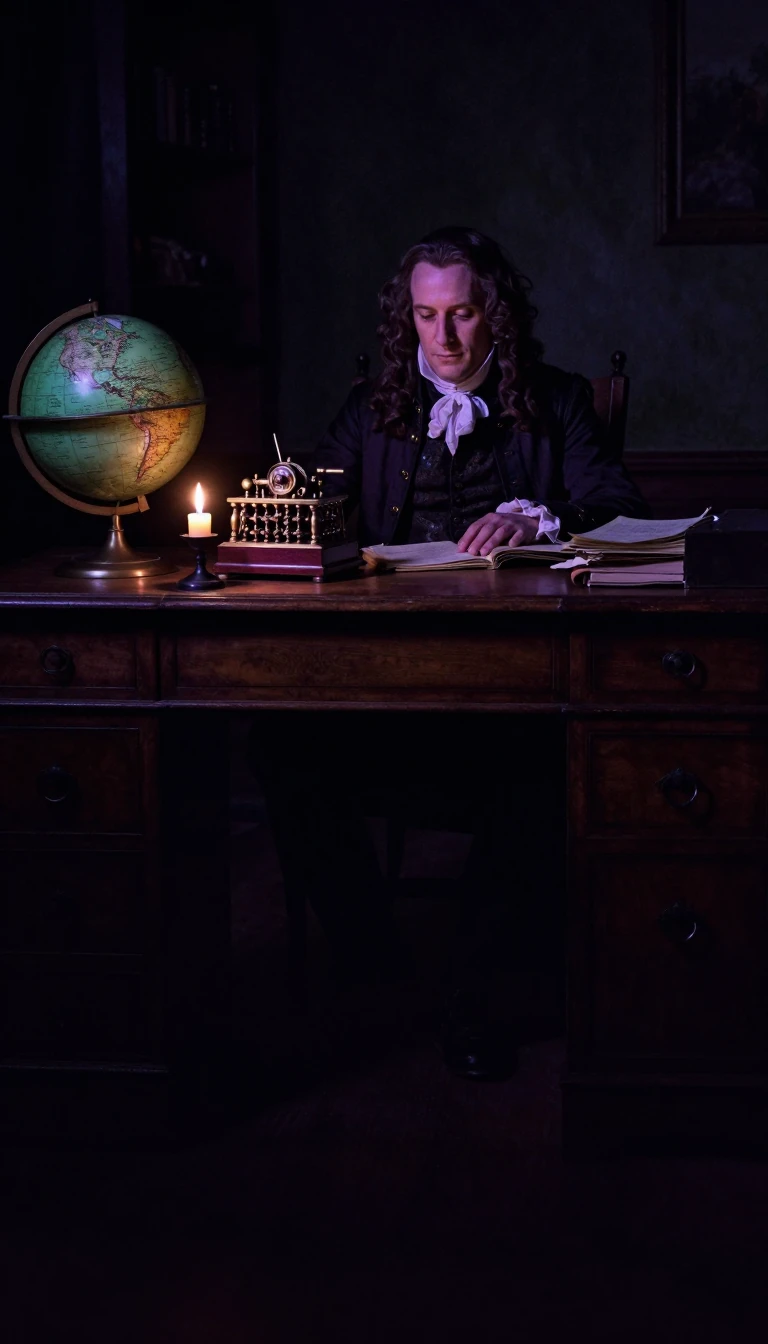
In short: Walter Isaacson has spent decades documenting the minds that shaped our modern world, from Albert Einstein to Steve Jobs and Jennifer Doudna. As a journalist, historian, and academic, he explores the intersection of science and the humanities, seeking to understand how innovation and character define the human experience.
Walter Isaacson’s career spans the highest echelons of media, policy, and academia. After beginning his journalism career at The Sunday Times and Time magazine—where he eventually served as editor—he transitioned to leadership roles at CNN and the Aspen Institute. His work often focuses on the lives of visionaries, producing best-selling biographies that examine figures like Benjamin Franklin, Leonardo da Vinci, and Elon Musk. These narratives frequently explore the tension between technological progress and the societal frameworks that contain them.
Central to Isaacson’s intellectual project is the belief that greatness emerges at the crossroads of different disciplines. In his 2014 book, The Innovators, he traced the history of the digital revolution, highlighting how the parallel development of the computer and the internet relied on collaborative genius. This theme of intersectionality continues in his academic work at Tulane University, where he teaches courses on the digital revolution and law. His 2014 Jefferson Lecture, titled The Intersection of the Humanities and the Sciences, further solidified his reputation as a bridge-builder between disparate fields of inquiry.
While his biographies are widely read, they are not without scrutiny. His 2023 biography of Elon Musk, for instance, faced disputes regarding its accuracy. Isaacson’s work also engages with historical contradictions, such as his upcoming 2025 book on the Declaration of Independence, which examines how the founders—many of whom enslaved people—penned words that would define future concepts of liberty. By focusing on these complex figures, Isaacson aims to elevate discourse, earning him honors like the National Humanities Medal in 2023 for his efforts to bridge ideological and intellectual divides.
Opens the Intellect+ feed with this card first. Swipe up for the next one.
Sources
- Summary by Intellect · source: Walter Isaacson
To cite this card, link to https://intellectplus.co.uk/app/science-walter-isaacson.
How we source, check and correct cards: Editorial standards.
General information, not professional advice. Spotted an error? Flag the card or see corrections and complaints.
Intellect Plus is a visual educational discovery platform for exploring fascinating facts and ideas. Brain Food, Not Brain Rot. What is Intellect Plus?
Related
More in UK & Ireland: science · More in Science · Latest · A–Z · All topics
