How a mistaken murder investigation launched the world's first laboratory for human decomposition
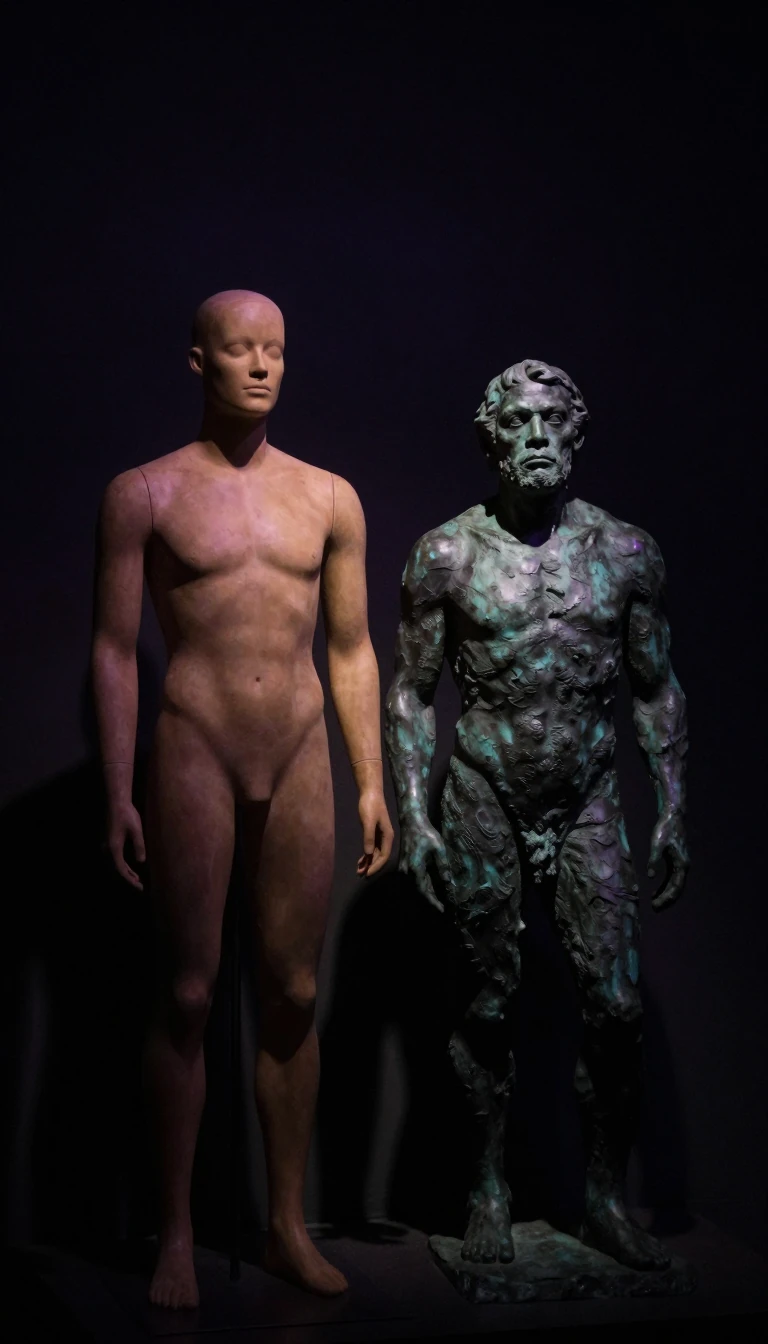
In short: William M. Bass revolutionized forensic science by creating the Body Farm, a facility where human remains decay in controlled environments. His work transformed how investigators determine the time and cause of death, providing law enforcement with vital techniques long before DNA profiling became a standard tool in modern criminal courtrooms.
Before he became a pioneer in forensic anthropology, William M. Bass spent years as an archaeologist excavating skeletal remains across the Midwest. His transition toward studying decomposition began in the 1960s while at the University of Kansas, where he realized that scientific data on how bodies decay was severely lacking. The catalyst for his most famous innovation arrived in December 1977, when he was called to examine a body found in Franklin, Tennessee. The remains were discovered atop a grave belonging to a Confederate soldier killed in 1864. Because the body was remarkably well-preserved, Bass initially estimated the death was recent, only to discover the corpse was actually the soldier himself, whose airtight cast-iron coffin had been breached by grave robbers.
This error highlighted a critical gap in forensic knowledge: the lack of a systematic way to measure decomposition rates. In 1981, Bass established the Anthropological Research Facility at the University of Tennessee in Knoxville. This two-acre compound, famously dubbed the Body Farm, allowed researchers to observe human remains in various natural and controlled settings. By documenting the precise timetable of decay, Bass and his students developed reliable methods for identifying remains and estimating the time since death. These techniques proved invaluable to law enforcement and medical examiners, often solving cases that had previously stalled.
Beyond his laboratory work, Bass served as a professor for over 50 years, training many of the nation's leading forensic anthropologists. His influence extends into popular culture as well; writing under the pseudonym Jefferson Bass with co-author Jon Jefferson, he has published several novels that utilize his real-world expertise to solve fictional crimes. Today, his legacy is preserved through the Dr. William M. Bass III Collection, which includes his extensive field notes and research materials. These documents, now digitized by the University of Tennessee Libraries, offer a comprehensive look at the career of a man who fundamentally changed how we understand the science of death.
Opens the Intellect+ feed with this card first. Swipe up for the next one.
Sources
- Summary by Intellect · source: The Dr. William M. Bass III Collection -
- Also: William M. Bass
To cite this card, link to https://intellectplus.co.uk/app/science-william-m-bass.
How we source, check and correct cards: Editorial standards.
General information, not professional advice. Spotted an error? Flag the card or see corrections and complaints.
Intellect Plus is a visual educational discovery platform for exploring fascinating facts and ideas. Brain Food, Not Brain Rot. What is Intellect Plus?
Related
More in Social scientists · More in Science · Latest · A–Z · All topics
