How a corner of Iberia became a seasonal metropolis for all of Europe
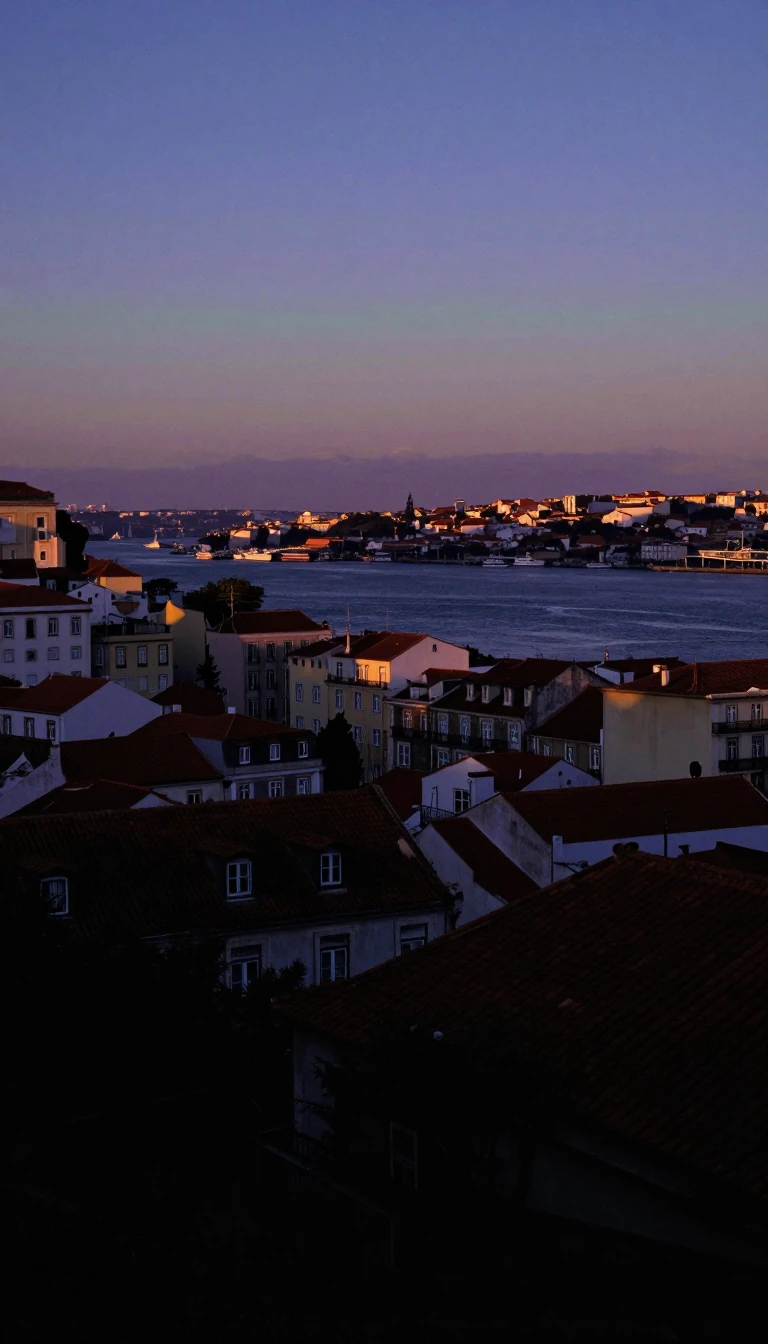
In short: The Algarve, Portugal’s southernmost region, has transformed from a quiet agricultural outpost into a bustling tourist hub. Once the westernmost frontier of the Moorish empire, this sun-drenched territory now attracts millions of visitors annually, balancing its ancient history with a modern, fast-paced economy that swells its population every summer.
The name Algarve derives from the Arabic al-ġarb, meaning 'the west,' reflecting its status as the westernmost reach of Al-Andalus. For centuries, the region was a strategic crossroads, contested by Phoenicians, Romans, Visigoths, and Moors. It was only in the mid-13th century, during the Reconquista, that the Kingdom of Portugal secured the territory. King Afonso III solidified this claim in 1249 with the conquest of Faro, thereafter adopting the title 'King of Portugal and the Algarve.' This historical identity was so potent that Portuguese monarchs continued to style themselves as rulers of 'the Algarves'—referring to both European and African territories—until the republic was established in 1910.
The region's modern transformation began in the 1950s as air travel made the Mediterranean accessible. By 1965, the inauguration of Faro International Airport catalyzed a rapid, often chaotic, tourism boom. This shift moved the economy away from traditional industries like cork production and fishing toward a service-oriented model. Today, the Algarve is a seasonal metropolis; while it has about 450,000 permanent residents, the population triples during peak summer months. Despite this, it remains a highly developed region, boasting the second-highest purchasing power in Portugal, surpassed only by the Lisbon Metropolitan Area.
Today, the Algarve is defined by its unique geography and climate, holding the title of the sunniest region in Europe. It is divided into the Barlavento (west) and Sotavento (east), zones shaped by prevailing winds and distinct historical development. While it remains a top destination for retirees and tourists, it is also a demographic outlier in Portugal. Between 2001 and 2020, it was the only Portuguese region to report an increase in newborns, a trend bolstered by a diverse population of foreign mothers. As it looks to the future, the region balances its status as a premier global retirement destination with the persistent geological reality that it, like Lisbon, remains at risk of significant seismic activity.
Opens the Intellect+ feed with this card first. Swipe up for the next one.
Sources
- Summary by Intellect · source: Algarve
To cite this card, link to https://intellectplus.co.uk/app/society-algarve.
How we source, check and correct cards: Editorial standards.
General information, not professional advice. Spotted an error? Flag the card or see corrections and complaints.
Intellect Plus is a visual educational discovery platform for exploring fascinating facts and ideas. Brain Food, Not Brain Rot. What is Intellect Plus?
Related
More in Leisure & holidays · More in Society · Latest · A–Z · All topics
