How a humble fishing village became the playground for Europe’s exiled royalty
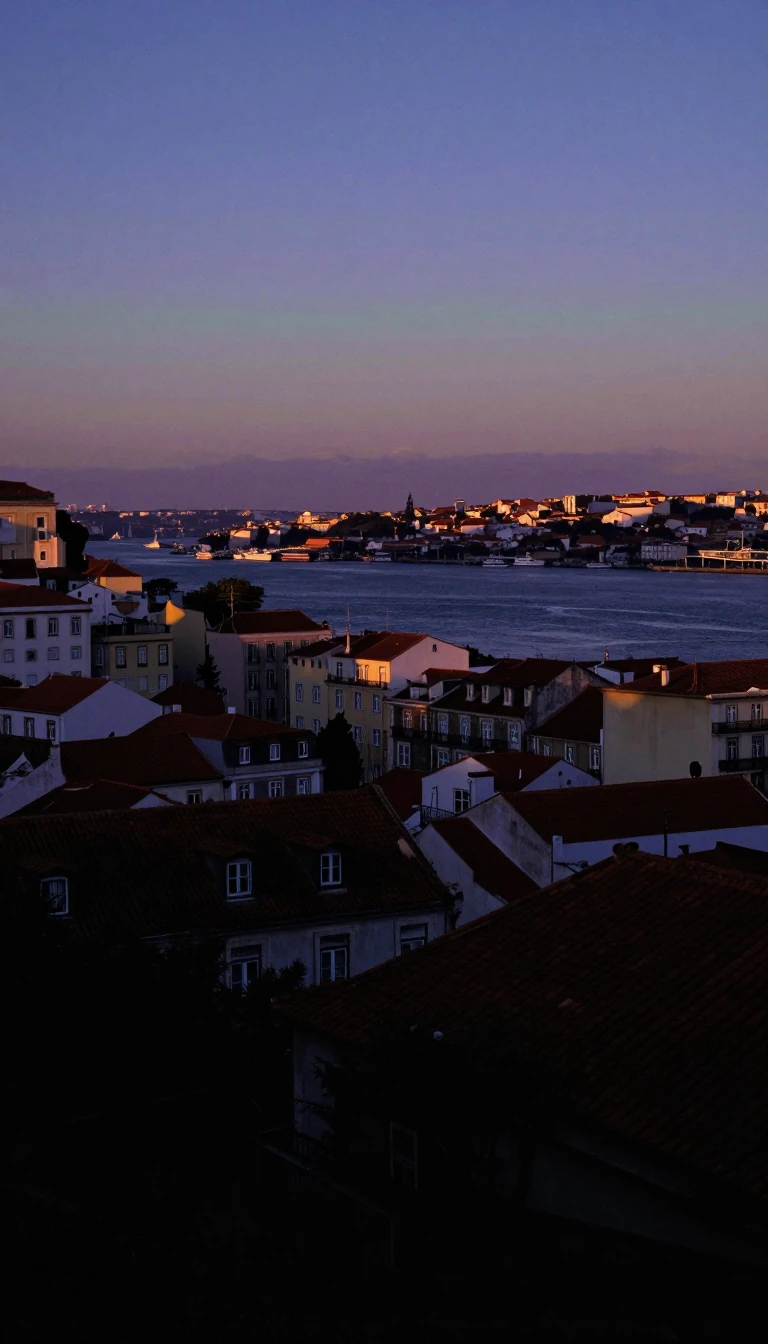
In short: Cascais transformed from a modest 12th-century settlement dependent on the sea into a cosmopolitan sanctuary for kings and the international jet set. Once a quiet retreat for the Portuguese royal family, this coastal municipality now balances its rich history of medieval fortresses with a modern, high-end reputation.
The story of Cascais begins in the 12th century, when it served as a small, administratively dependent village known for harvesting marine mollusks—a practice that likely inspired its name, derived from the term for a mountain of shells. By the 14th century, the town had grown enough to secure administrative independence from Sintra in 1364. Its strategic position at the mouth of the Tagus estuary made it vital for the defense of Lisbon, leading to the construction of various fortifications, including a Renaissance citadel that was later expanded by King Philip I in the late 16th century.
The town’s modern identity was forged in the 1870s when King Luís I and the Portuguese royal family established their summer residence there. This royal endorsement turned Cascais into a magnet for the nobility, who built eclectic mansions and introduced infrastructure like electric lighting and a railway. During World War II, the town’s neutrality and elegance attracted exiled royal families from across Europe, including those from Spain, Italy, Hungary, and Bulgaria, cementing its status as a refuge for the displaced elite.
Today, the municipality is one of the wealthiest in the Iberian Peninsula, characterized by an expensive real estate market and a high cost of living. While it remains a popular destination for tourists—drawing roughly 1.2 million hotel guests annually as of 2016—it also preserves its cultural heritage through the Museum Quarter. This area features restored private residences and historic sites, such as the Citadel Palace Museum, which served as a presidential residence after the monarchy ended. From its origins as a medieval fishing port to its current role as a hub for international sailing and surfing, Cascais remains a unique intersection of royal legacy and modern coastal luxury.
Opens the Intellect+ feed with this card first. Swipe up for the next one.
Sources
- Summary by Intellect · source: Cascais
- Also: Wikidata — Cascais · CC0
To cite this card, link to https://intellectplus.co.uk/app/places-cascais.
How we source, check and correct cards: Editorial standards.
General information, not professional advice. Spotted an error? Flag the card or see corrections and complaints.
Intellect Plus is a visual educational discovery platform for exploring fascinating facts and ideas. Brain Food, Not Brain Rot. What is Intellect Plus?
Related
More in Major world cities · More in Countries & Cities · Latest · A–Z · All topics
