The Venezuelan dictator who built a modern nation while living in Parisian luxury
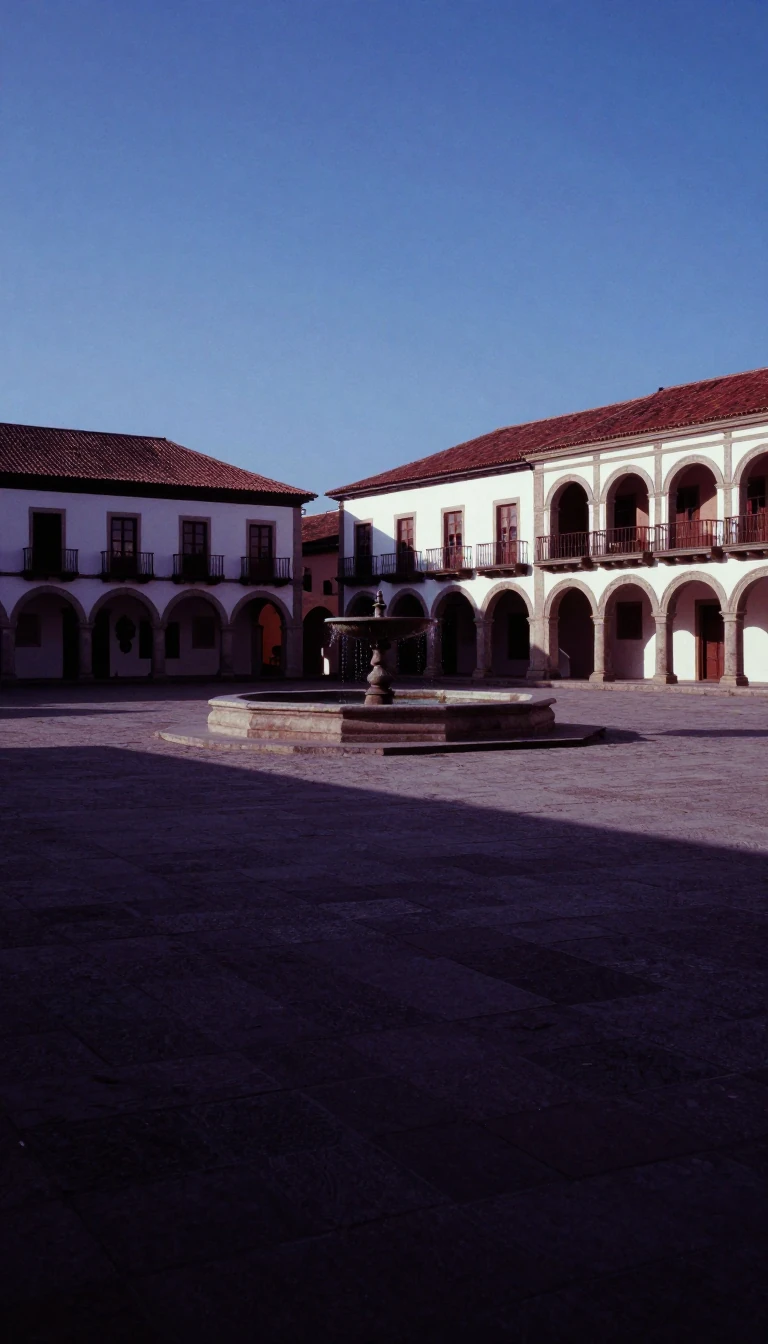
In short: Antonio Guzmán Blanco ruled Venezuela for three separate terms as a powerful, often autocratic, leader. While critics accused him of corruption and seizing church property, his administration laid the foundations of the modern Venezuelan state, from its national currency and anthem to its education system and major public infrastructure.
Born in Caracas in 1829, Antonio Guzmán Blanco emerged from the chaos of the Venezuelan Federal War to dominate the nation's politics. As a member of the Liberalismo Amarillo movement, he served as president for three distinct periods between 1870 and 1887. His governance was marked by a sharp contradiction: he functioned as a classic strongman, often ruling with extraordinary powers, yet he simultaneously spearheaded a wave of modernization that fundamentally reshaped the country's legal and economic landscape.
Guzmán Blanco’s development agenda was extensive. He established the Venezuelan bolívar as the national currency in 1879, mandated free and compulsory education for children aged 7 to 14, and oversaw the construction of iconic landmarks like the Palacio Federal Legislativo. His administration also prioritized connectivity and culture, introducing telephone services between Caracas and La Guaira, founding the Venezuelan Academy of the Language, and adopting the national anthem, 'Gloria al Bravo Pueblo.' Under his influence, primary school enrollment surged ten-fold, reaching nearly 100,000 students by the mid-1880s.
Despite these achievements, his tenure was deeply controversial. A freemason, he aggressively curtailed the influence of the Roman Catholic Church, expelling clergy who opposed him and confiscating church assets. Historians note that his government was allegedly rife with corruption, with reports of treasury theft and power abuse. Facing intense disapproval at times, he famously exhumed the body of Simón Bolívar to rebury it in the National Pantheon, a calculated move to align his regime with the ideals of the national hero. Eventually, he retired to Paris, living with great ostentation until his death in 1899, leaving behind a legacy that remains a complex blend of autocratic control and foundational state-building.
Opens the Intellect+ feed with this card first. Swipe up for the next one.
Sources
- Summary by Intellect · source: Antonio Guzmán Blanco
To cite this card, link to https://intellectplus.co.uk/app/society-antonio-guzm-n-blanco.
How we source, check and correct cards: Editorial standards.
General information, not professional advice. Spotted an error? Flag the card or see corrections and complaints.
Intellect Plus is a visual educational discovery platform for exploring fascinating facts and ideas. Brain Food, Not Brain Rot. What is Intellect Plus?
Related
More in History · Latest · A–Z · All topics
