How a Venezuelan dictator used oil wealth to build a nation and his fortune
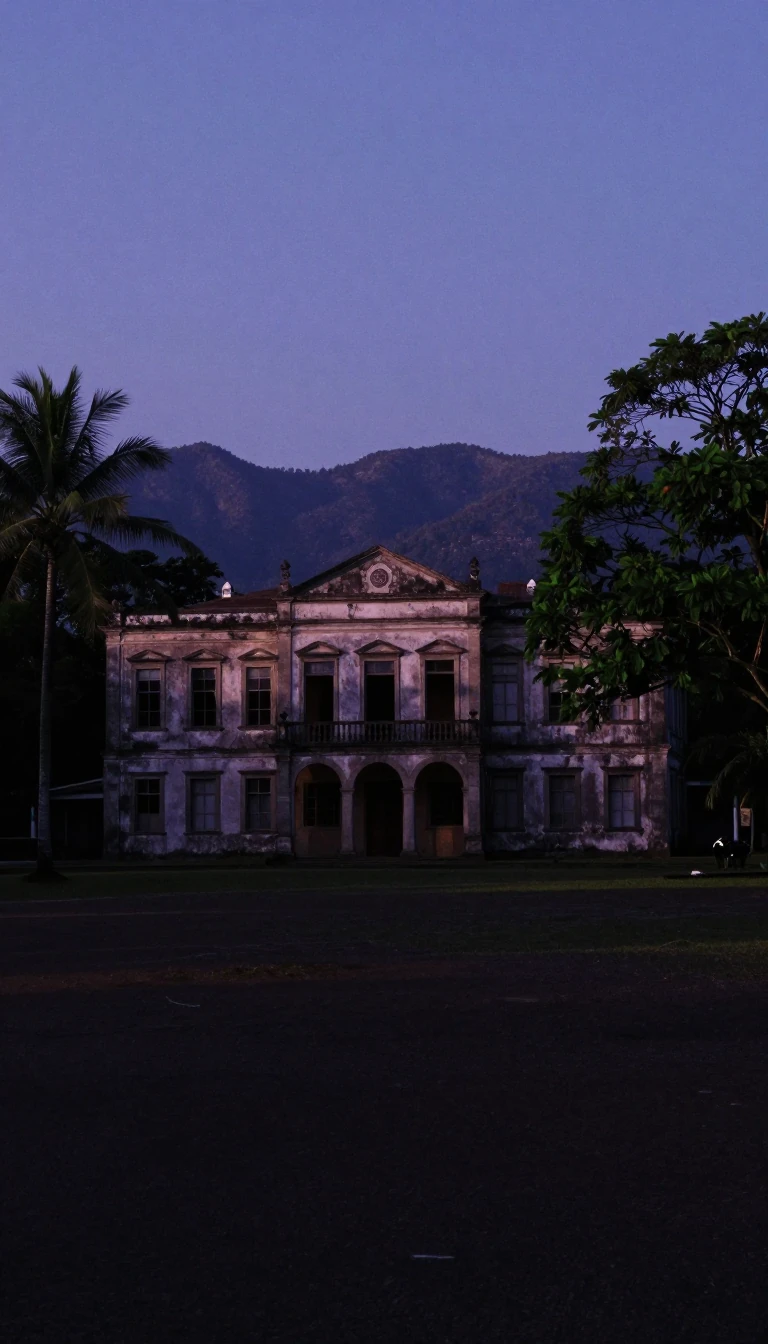
In short: Juan Vicente Gómez ruled Venezuela for twenty-seven years, transforming a fractured, debt-ridden nation into a stable, oil-rich state. While he modernized infrastructure and eliminated internal conflict, he did so through ruthless repression, pervasive espionage, and a blatant disregard for civil liberties, ultimately becoming the country's wealthiest man.
Juan Vicente Gómez seized control of Venezuela in 1908, initiating a long period of de facto rule that lasted until his death in 1935. Although he occasionally stepped aside for handpicked interim leaders to maintain a facade of constitutional governance, he remained the ultimate authority, often directing national affairs from his home in Maracay. His rise to power followed his service as a military leader under Cipriano Castro, whom he eventually ousted in a coup while Castro was abroad for medical care.
The discovery of petroleum in Lake Maracaibo in 1914 fundamentally altered the nation's trajectory. Gómez leveraged these vast reserves to negotiate with foreign corporations, including those from the United States and the United Kingdom. This influx of capital allowed him to settle Venezuela's staggering internal and external debts, stabilizing the economy and even strengthening the bolívar. He channeled significant funds into massive public works, such as the 1,539-kilometer Transandean Highway and the establishment of the country's first airline, Aeropostal Alas de Venezuela. These projects fostered national unity by increasing mobility between previously isolated regions.
Despite these advancements, Gómez’s regime was defined by extreme brutality. He viewed education as a threat to his control, famously remarking that an ignorant populace was easier to manage. His secret police were notorious for their cruelty, employing torture and mass imprisonment to silence dissent. Critics, including members of the Generation of 1928 student movement, faced severe persecution. While his fiscal conservatism helped the nation navigate the Great Depression, the wealth generated by oil was largely concentrated among his inner circle and himself. By the time he died, he was the wealthiest individual in Venezuela, leaving behind a complex legacy that combined modern state-building with the iron-fisted tactics of a traditional caudillo.
The paradox of his rule is that his systematic dismantling of regional warlords and his eventual appointment of Eleazar López Contreras as his final minister of war inadvertently created the conditions for the emergence of modern democracy. Yet, for his contemporaries, he remained 'the Tyrant of the Andes,' a figure whose personal fiefdom was built on the suppression of trade unions, communism, and any form of political opposition.
Opens the Intellect+ feed with this card first. Swipe up for the next one.
Sources
- Summary by Intellect · source: Juan Vicente Gómez
To cite this card, link to https://intellectplus.co.uk/app/society-juan-vicente-g-mez.
How we source, check and correct cards: Editorial standards.
General information, not professional advice. Spotted an error? Flag the card or see corrections and complaints.
Intellect Plus is a visual educational discovery platform for exploring fascinating facts and ideas. Brain Food, Not Brain Rot. What is Intellect Plus?
Related
More in Modern · More in Society · Latest · A–Z · All topics
