Why governments spent decades preparing citizens for disasters that never arrived
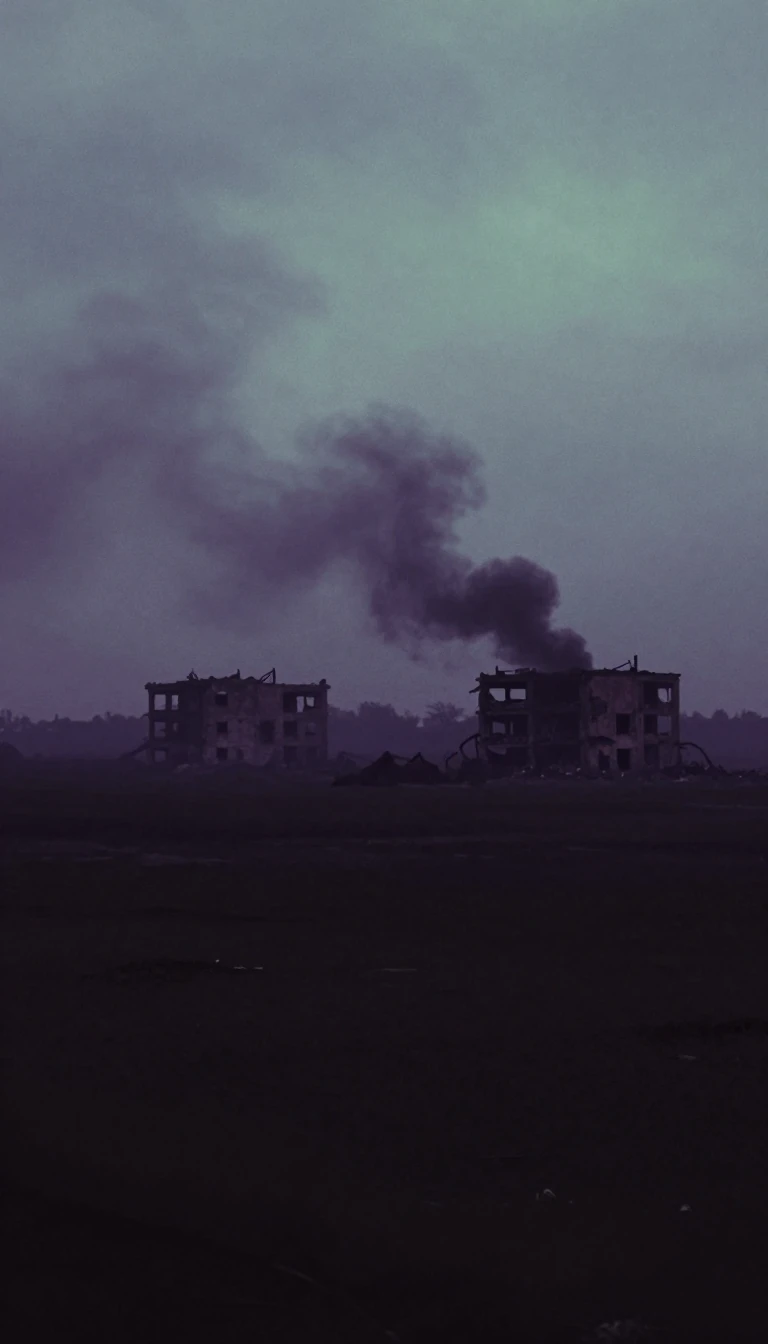
In short: Civil defense began as a response to aerial bombardment in the First World War. It evolved into a massive, often controversial Cold War effort to protect populations from nuclear annihilation. Today, these structures have shifted toward all-hazards emergency management, focusing on natural disasters, terrorism, and technological crises instead of global war.
The origins of civil defense trace back to the First World War, when German zeppelin raids on the United Kingdom in 1915 revealed the vulnerability of non-combatants. By 1924, the Air Raid Precautions Committee was established to investigate protective measures. Early predictions for London were grim, estimating 9,000 casualties in the first two days of an attack. These fears led to the creation of the Civil Defence Service in 1935, which mobilized nearly 1.9 million volunteers to manage fire, rescue, and first aid.
During the Cold War, civil defense became a divisive issue. In the United States, the 1950 'Blue Book' provided a structural template for decades, while educational campaigns like 'Duck and Cover' attempted to prepare the public for nuclear strikes. However, policies were often half-hearted. Many Western nations struggled with the doctrine of mutual assured destruction, which made the survival of civilians seem strategically contradictory. By 1968, the UK disbanded its Civil Defence Corps, and the US eventually replaced its dedicated civil defense programs with the Federal Emergency Management Agency in 1979.
The Soviet approach was notably different, maintaining a consistent strategy that viewed nuclear war as survivable. Soviet Civil Defense Troops were highly active, playing a critical role in the 1986 Chernobyl disaster, where they manually removed radioactive debris after robotic equipment failed. Today, the focus has moved toward comprehensive emergency management. Modern frameworks, such as those governed by the 1988 Stafford Act in the US, emphasize resilience against diverse threats, including biological and chemical hazards, reflecting a shift from preparing for total war to managing complex, modern societal risks.
Opens the Intellect+ feed with this card first. Swipe up for the next one.
Sources
- Summary by Intellect · source: Civil defense
To cite this card, link to https://intellectplus.co.uk/app/society-civil-defense.
How we source, check and correct cards: Editorial standards.
General information, not professional advice. Spotted an error? Flag the card or see corrections and complaints.
Intellect Plus is a visual educational discovery platform for exploring fascinating facts and ideas. Brain Food, Not Brain Rot. What is Intellect Plus?
Related
More in Society · More in Society · Latest · A–Z · All topics
