The humble coffee cup is a marvel of engineering, history, and unintended global consequences.
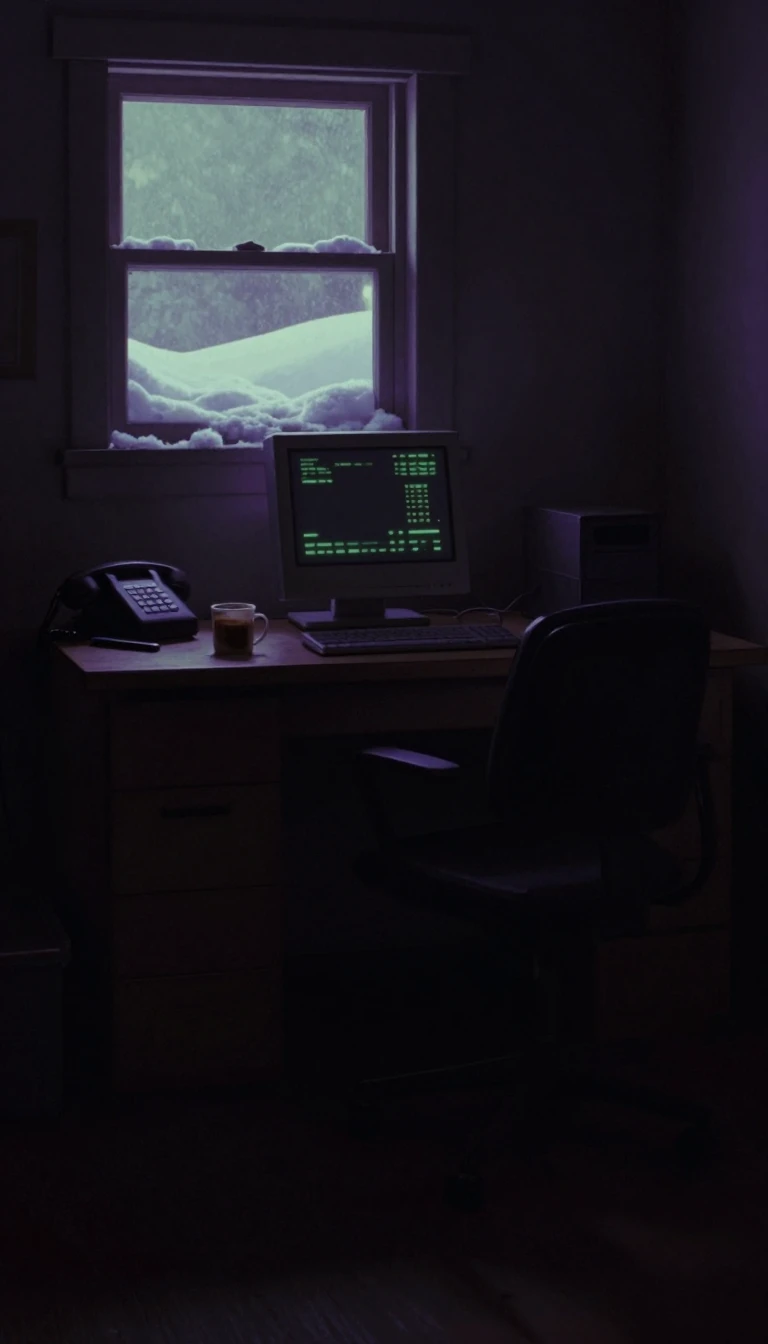
In short: From 17th-century porcelain bowls to NASA-designed capillary vessels, the coffee cup has evolved into a complex artifact. While it shapes our daily rituals and urban culture, it also presents significant environmental challenges, as billions of disposable containers end up in landfills, prompting a search for sustainable alternatives.
Coffee ware originated in the Middle East, where 17th-century drinkers used handle-less porcelain bowls. These vessels were tall to accommodate sediment, a design that shifted only after the 18th-century invention of French drip coffee. By the 1710s, European manufacturers like Meissen began adding handles, reasserting a preference from antiquity. This evolution eventually standardized the Western teacup and coffee cup, complete with saucers once used to cool hot liquids.
Modern coffee culture demands specialized vessels. Espresso is served in 50-100 ml demitasse cups, while lattes often require larger porcelain shapes designed to facilitate latte art. Even in space, the cup has been reimagined; NASA’s 'Space Cup' uses a sharp inner corner to leverage capillary flow, allowing astronauts to drink in zero-gravity. This research into fluid dynamics has broader applications, from improving medical blood testers to optimizing space station life-support systems.
The rise of 'to-go' culture brought the disposable lid, a design innovation that exploded in the 1980s. By 2009, the U.S. market for these lids reached $180 million, with 14 billion units sold annually. Yet, this convenience comes at a cost. The U.S. discards about 120 billion disposable cups each year. While paper cups are often seen as the eco-friendly alternative to polystyrene, they are lined with plastic and release trillions of microplastic nanoparticles during use. Even 'natural' bamboo cups have faced scrutiny for containing harmful substances like formaldehyde, leading to regulatory bans in the UK by June 2023.
Sustainability efforts have struggled to gain traction. Although shops offered discounts for reusable cups by 2019, the COVID-19 pandemic caused a sharp decline in their use that persisted through 2023. With only 1 in 400 single-use cups recycled in 2017, the tension between the convenience of modern coffee culture and the environmental impact of its waste remains a significant, unresolved issue in contemporary society.
Opens the Intellect+ feed with this card first. Swipe up for the next one.
Sources
- Summary by Intellect · source: Coffee cup
To cite this card, link to https://intellectplus.co.uk/app/society-coffee-cup.
How we source, check and correct cards: Editorial standards.
General information, not professional advice. Spotted an error? Flag the card or see corrections and complaints.
Intellect Plus is a visual educational discovery platform for exploring fascinating facts and ideas. Brain Food, Not Brain Rot. What is Intellect Plus?
Related
More in Household items · More in Society · Latest · A–Z · All topics
