The cross is far older than Christianity, appearing in caves since the Upper Paleolithic.
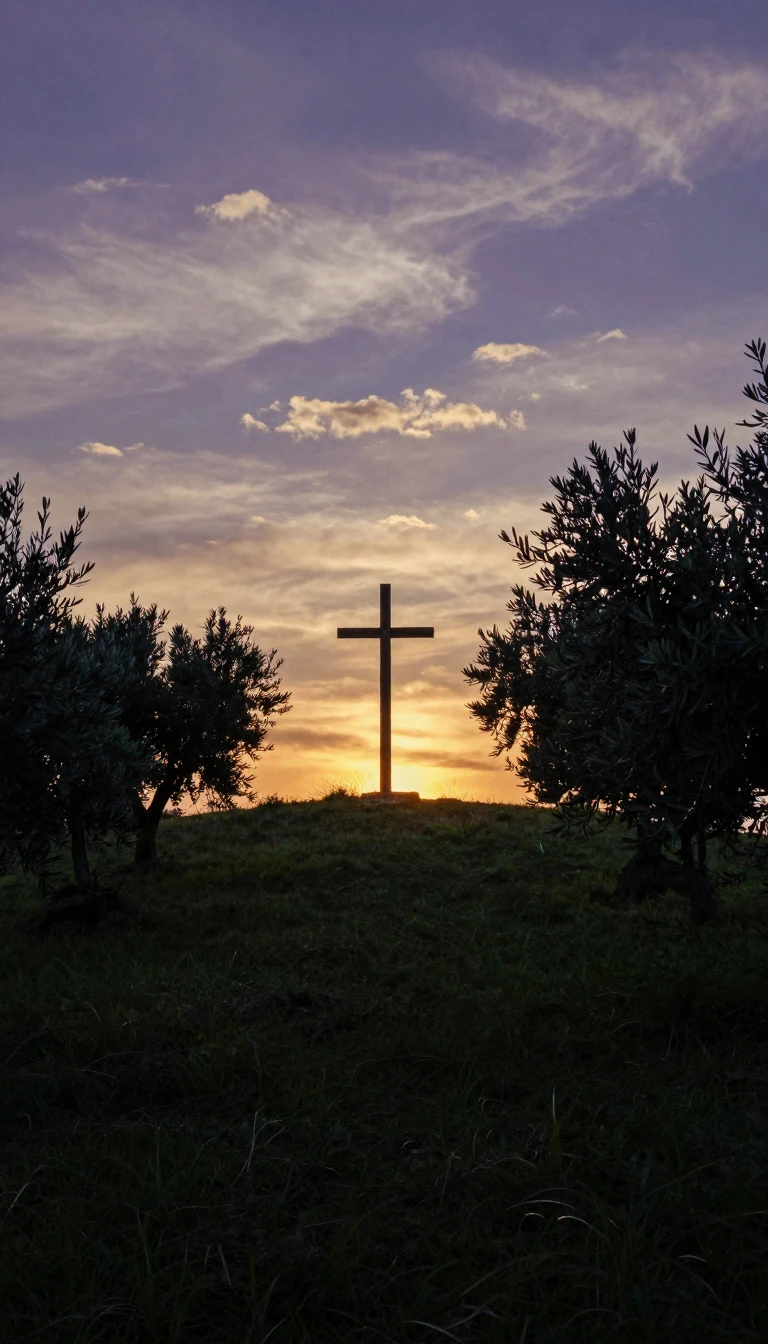
In short: Long before it became the defining emblem of the Christian faith, the cross was a universal human mark. From prehistoric petroglyphs in European caves to Egyptian hieroglyphs representing life, this simple intersection of lines has served as a tally, a number, a protective charm, and a symbol of cosmic unity.
The cross is fundamentally a geometric figure, typically formed by two perpendicular lines. While modern Western culture strongly associates the shape with the instrument of Christ's crucifixion, its history is vast and varied. In antiquity, the Latin term crux referred to a gibbet or stake used for execution, yet the symbol itself predates this usage by millennia. Simple cross-shaped incisions appear in European cult caves dating to the beginning of the Upper Paleolithic, suggesting that the form held significance long before recorded history.
Across diverse civilizations, the cross took on distinct meanings. In Ancient Egypt, the Ankh hieroglyph signified life, while the Nefer amulet, featuring a cross and an orb, was used to promote sexual harmony. In Sumerian cuneiform, simple cross-shaped characters represented concepts like tax or yield, while more complex arrangements could denote deity or the sky. By the 11th century, the English word 'cross'—derived from the Latin crux—began to replace the native 'rood' to describe the instrument of Christ's death, marking a shift in the term's primary cultural utility.
The symbol's versatility extends into mathematics and linguistics. It appears as a number in Roman numerals (X), Chinese rod numerals (十), and Brahmi script. It also functions as a fundamental mark in writing, representing the phoneme /t/ in the Phoenician alphabet and evolving into the modern plus sign through a 15th-century ligature for 'et'. By the 2nd century AD, Christians adopted the T-shaped cross as an emblem, eventually developing the diverse cruciform styles seen in later heraldry and art, such as the 6th-century cruciform halo.
In the 19th century, scholars like G. de Mortillet and L. Müller attempted to link these disparate cross forms to ancient cosmological myths, speculating that the shape represented the four elements or the cardinal points. While such comparative mythology remains a subject of academic interest, the cross remains a testament to the power of simple geometry, serving as a gesture of protection, a tool for measurement, and a profound cultural signifier across human history.
Opens the Intellect+ feed with this card first. Swipe up for the next one.
Sources
- Summary by Intellect · source: Cross
To cite this card, link to https://intellectplus.co.uk/app/society-cross.
How we source, check and correct cards: Editorial standards.
General information, not professional advice. Spotted an error? Flag the card or see corrections and complaints.
Intellect Plus is a visual educational discovery platform for exploring fascinating facts and ideas. Brain Food, Not Brain Rot. What is Intellect Plus?
Related
More in Society · Latest · A–Z · All topics
