Why Christians trace a cross across their bodies to invoke the Holy Trinity
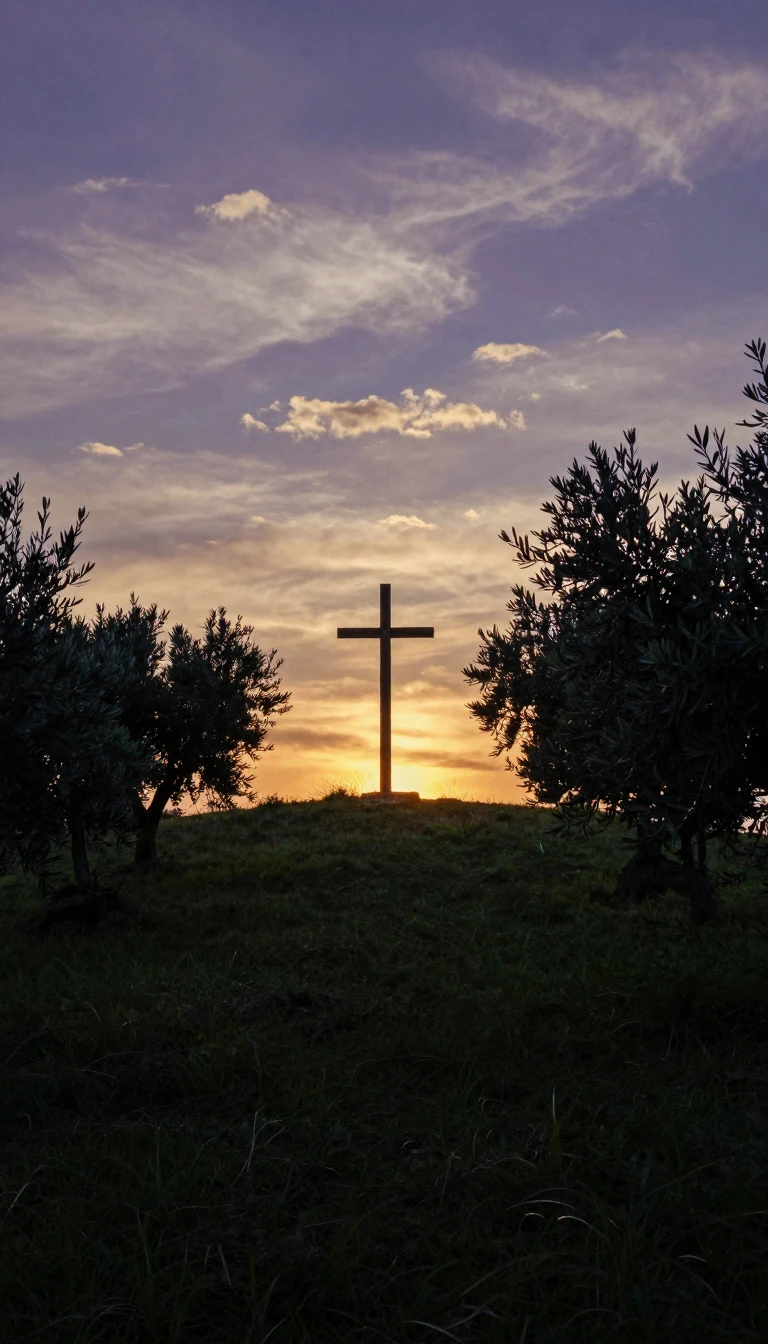
In short: Tracing the sign of the cross is a ritual prayer used across many Christian denominations to acknowledge the Holy Trinity. While the gesture varies in motion and finger placement, its roots stretch back to the third century, evolving from a small mark on the forehead into a complex, full-body movement.
The sign of the cross serves as both a personal prayer and a ritual blessing. At its core, the gesture acknowledges the Holy Trinity: God the Father, the Son, and the Holy Spirit. Early documentation, such as the third-century Apostolic Tradition, highlights its use in baptismal exorcisms and as a protective measure during times of temptation. By the 6th century, this practice had expanded from a simple forehead mark into the large, four-point movement across the chest or through the air that many recognize today.
Finger placement and direction are deeply symbolic and historically contested. In the Latin Church, Eastern Orthodox, and various Lutheran traditions, the gesture is performed with specific finger configurations—often three fingers to represent the Trinity and two to signify the dual nature of Christ. The direction of the movement remains a point of divergence: Western traditions typically move from left to right, while Eastern traditions move from right to left. These differences have occasionally sparked significant historical friction, such as the 17th-century schism in Russia, where the enforcement of the three-finger sign against the traditional two-finger method led to the rise of the Old Believers.
Beyond its liturgical role, the sign of the cross functions as a sacramental—a sacred sign that prepares the faithful to receive grace. It is used during baptisms, the anointing of the sick, and Ash Wednesday, where ashes are marked on the forehead. While some traditions, like the Puritans, once viewed the gesture as superstitious, its use has persisted and even seen a resurgence in various branches of Christianity. Whether traced on the forehead or performed as a large movement across the body, the gesture remains a foundational expression of faith, intended to sanctify daily life and invoke the presence of the crucified Christ.
Opens the Intellect+ feed with this card first. Swipe up for the next one.
Sources
- Summary by Intellect · source: Sign of the cross
To cite this card, link to https://intellectplus.co.uk/app/music-sign-of-the-cross.
How we source, check and correct cards: Editorial standards.
General information, not professional advice. Spotted an error? Flag the card or see corrections and complaints.
Intellect Plus is a visual educational discovery platform for exploring fascinating facts and ideas. Brain Food, Not Brain Rot. What is Intellect Plus?
Related
More in Music · More in Music · Latest · A–Z · All topics
