Is globalization a modern invention or a process that began thousands of years ago?
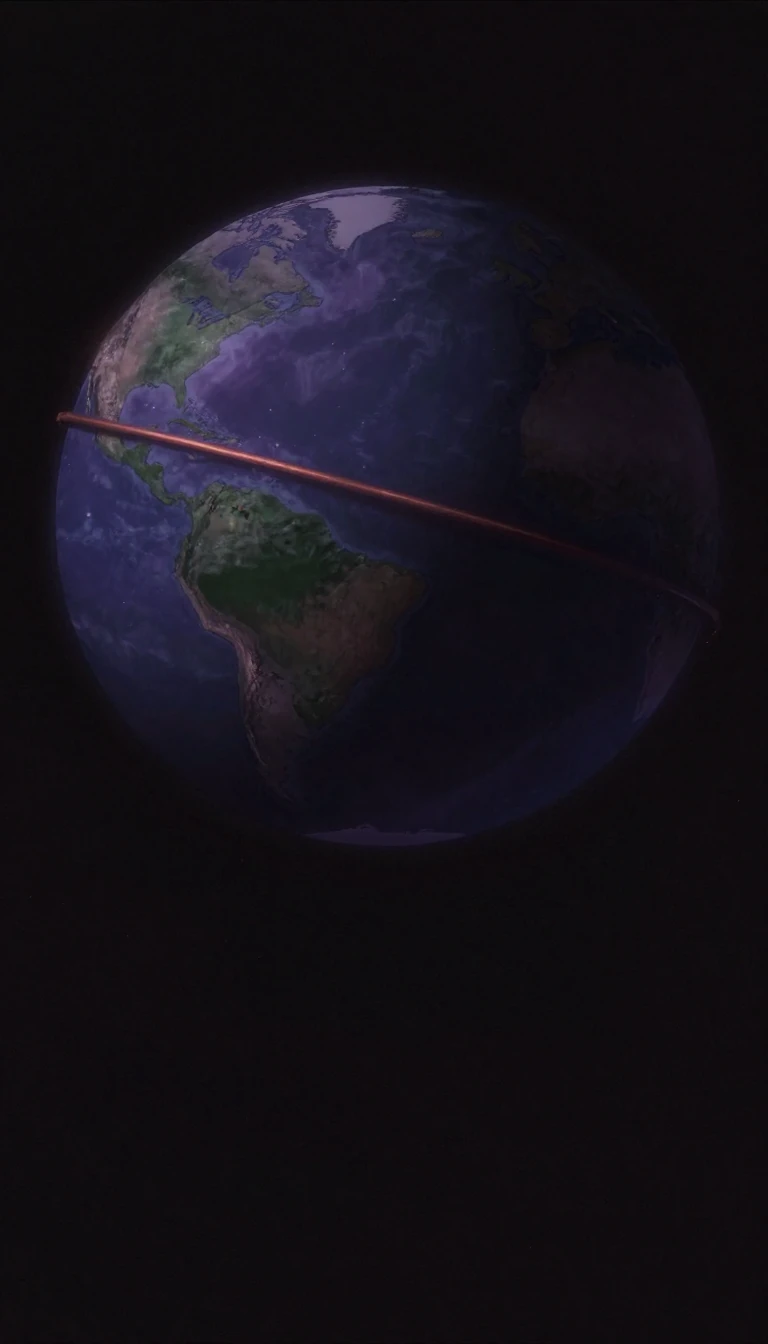
In short: Globalization is often framed as a recent phenomenon, but it is actually a long-term, uneven process of stretching social and economic relationships across time and space. While modern technology has accelerated this integration, the roots of global interconnection trace back to ancient trade routes and early maritime exploration.
Modern globalization is defined by the intensification of economic, political, and cultural integration, often characterized as a process of deterritorialization where social activities occur regardless of geographic location. While scholars often point to the 19th century—specifically around 1870—as the start of the modern era due to a significant rise in exports relative to GDP, the phenomenon has deeper historical predecessors. Historians identify 'archaic globalization' in ancient times and 'proto-globalization' between the 15th and 18th centuries, when European explorers established maritime routes across the Atlantic and Pacific.
The modern era is typically divided into three distinct waves. The first, from 1870 to 1914, was driven by advancements in transportation and communication. The second, spanning 1944 to 1971, relied on a U.S. dollar-based international monetary system. The third began around 1989–90, coinciding with the collapse of the Eastern bloc and the birth of the World Wide Web. Some analysts suggest a 'fourth globalization' is currently underway, though there is no consensus on its defining characteristics or start date.
This integration has brought undeniable benefits, including increased productivity, the reduction of global poverty, and the elimination of diseases like smallpox. However, it has also faced intense scrutiny. Critics from across the political spectrum argue that it fosters asymmetrical power relations, threatens national identity, and commodifies life. Furthermore, globalization has facilitated the spread of pathogens and contributed to climate change through increased industrial pollution. As global supply chains shift from labor-intensive models to knowledge-based ones, the future of this interconnected system remains in flux.
Opens the Intellect+ feed with this card first. Swipe up for the next one.
Sources
- Summary by Intellect · source: Globalization | Examples, Impact, & Pros and Cons | Britannica Money
- Also: Economic globalization
To cite this card, link to https://intellectplus.co.uk/app/society-economic-globalization.
How we source, check and correct cards: Editorial standards.
General information, not professional advice. Spotted an error? Flag the card or see corrections and complaints.
Intellect Plus is a visual educational discovery platform for exploring fascinating facts and ideas. Brain Food, Not Brain Rot. What is Intellect Plus?
Related
More in Society · Latest · A–Z · All topics
