A twice-elected Peruvian president who saw his nation's future in its untamed Amazonian wilderness.
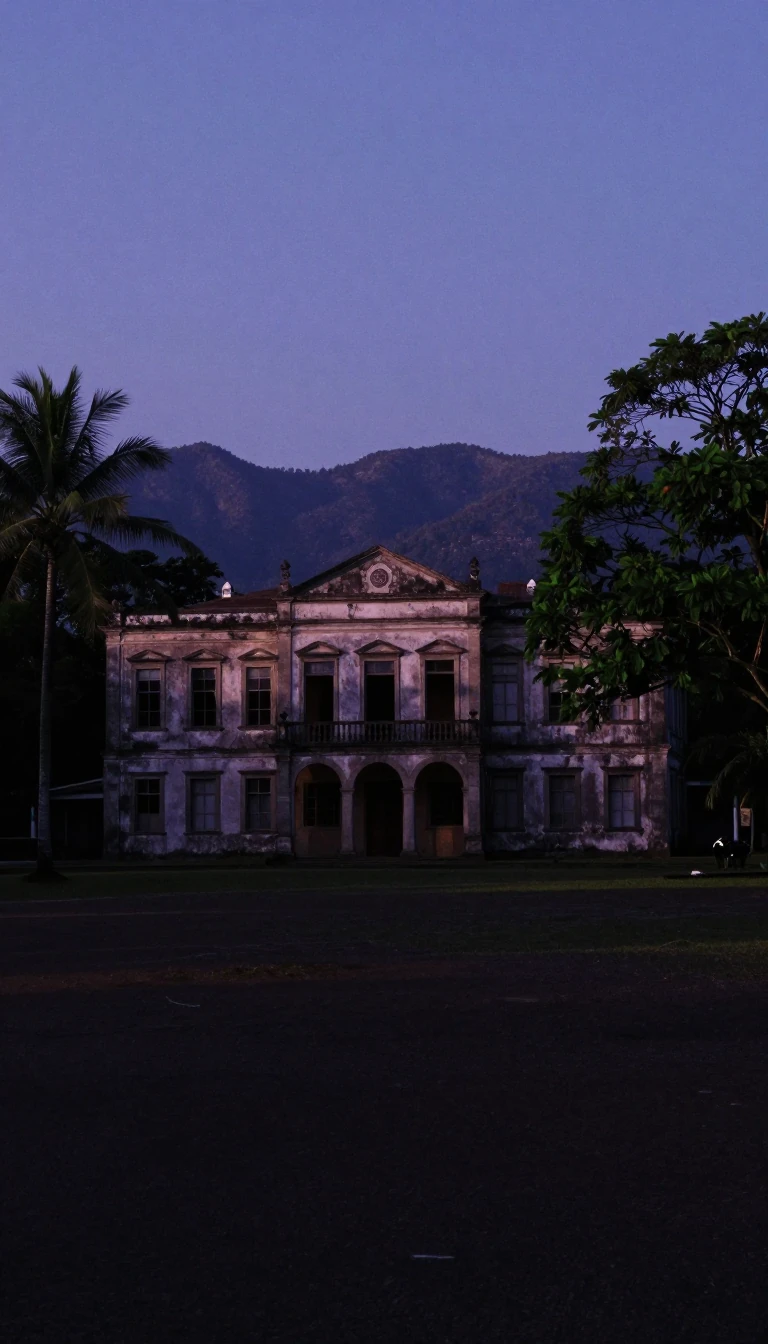
In short: Fernando Belaúnde Terry was an architect-turned-politician who believed Peru could only achieve true development by conquering its own interior. His career spanned decades of military coups, international oil disputes, and a brutal internal conflict, leaving behind a complex legacy of ambitious infrastructure projects and ignored human rights abuses.
Born into an aristocratic family in 1912, Belaúnde was trained as an architect in the United States, a background that heavily influenced his political vision. He viewed Peru through the lens of urban planning and development, famously advocating for the 'Conquest of Peru by Peruvians.' This doctrine aimed to integrate the isolated Amazon rainforest with the Pacific coast through massive infrastructure projects, most notably the Carretera Marginal de la Selva highway. He believed that by taming the wilderness, Peru would mirror the developmental trajectory of the United States.
Belaúnde’s political life was defined by a volatile relationship with the military. He served two presidential terms, 1963–1968 and 1980–1985, both interrupted or bookended by authoritarian shifts. His first term ended in a 1968 coup, triggered partly by a controversial settlement with Standard Oil over the La Brea and Pariñas oil fields. The missing eleventh page of the agreement became a national scandal, fueling perceptions that he was sacrificing sovereignty for foreign interests. After a decade of teaching in the U.S., he returned to power in 1980, inheriting an economy in deep depression.
His second term was marked by the 'Lost Decade,' characterized by rampant inflation, unemployment exceeding 50%, and the rise of the Shining Path insurgency. While Belaúnde restored press freedom and reversed radical agrarian reforms, his administration struggled to contain the escalating internal conflict. Reports of summary executions and mass graves emerged, yet Belaúnde largely ignored these human rights concerns, while his party-controlled Congress refused to investigate. By the time he left office in 1985, his legacy was caught between his identity as a 'model democrat' and the grim reality of the thousands who died during his tenure.
Ultimately, Belaúnde was a figure of contradictions: a modernizer who sought to build roads through the jungle, yet a traditionalist described as a 19th-century politician operating in a 20th-century time-warp. His career illustrates the immense difficulty of navigating the intersection of foreign capital, indigenous rights, and the persistent shadow of military intervention in Latin American politics.
Opens the Intellect+ feed with this card first. Swipe up for the next one.
Sources
- Summary by Intellect · source: Fernando Belaúnde
To cite this card, link to https://intellectplus.co.uk/app/society-fernando-bela-nde.
How we source, check and correct cards: Editorial standards.
General information, not professional advice. Spotted an error? Flag the card or see corrections and complaints.
Intellect Plus is a visual educational discovery platform for exploring fascinating facts and ideas. Brain Food, Not Brain Rot. What is Intellect Plus?
Related
More in Contemporary · More in Society · Latest · A–Z · All topics
