The Great Chinese Famine was a man-made disaster of unprecedented, catastrophic proportions.
In short: Between 1959 and 1961, tens of millions perished in China. While often attributed to natural disasters, the famine was primarily driven by radical state policies, economic mismanagement, and a culture of fear that forced officials to prioritize grain quotas over human lives, even as people starved outside full warehouses.
The Great Chinese Famine, occurring primarily between 1959 and 1961, remains one of the deadliest man-made disasters in history. Estimates of the death toll range from 15 to 46 million, with modern consensus centering on 30 to 46 million excess deaths. The crisis was rooted in Mao Zedong’s Great Leap Forward, a period marked by the forced collectivization of farming into people's communes and the diversion of millions of peasants into inefficient iron and steel production. These policies were compounded by the adoption of flawed agricultural techniques, such as close planting and deep plowing, based on the discredited theories of Trofim Lysenko.
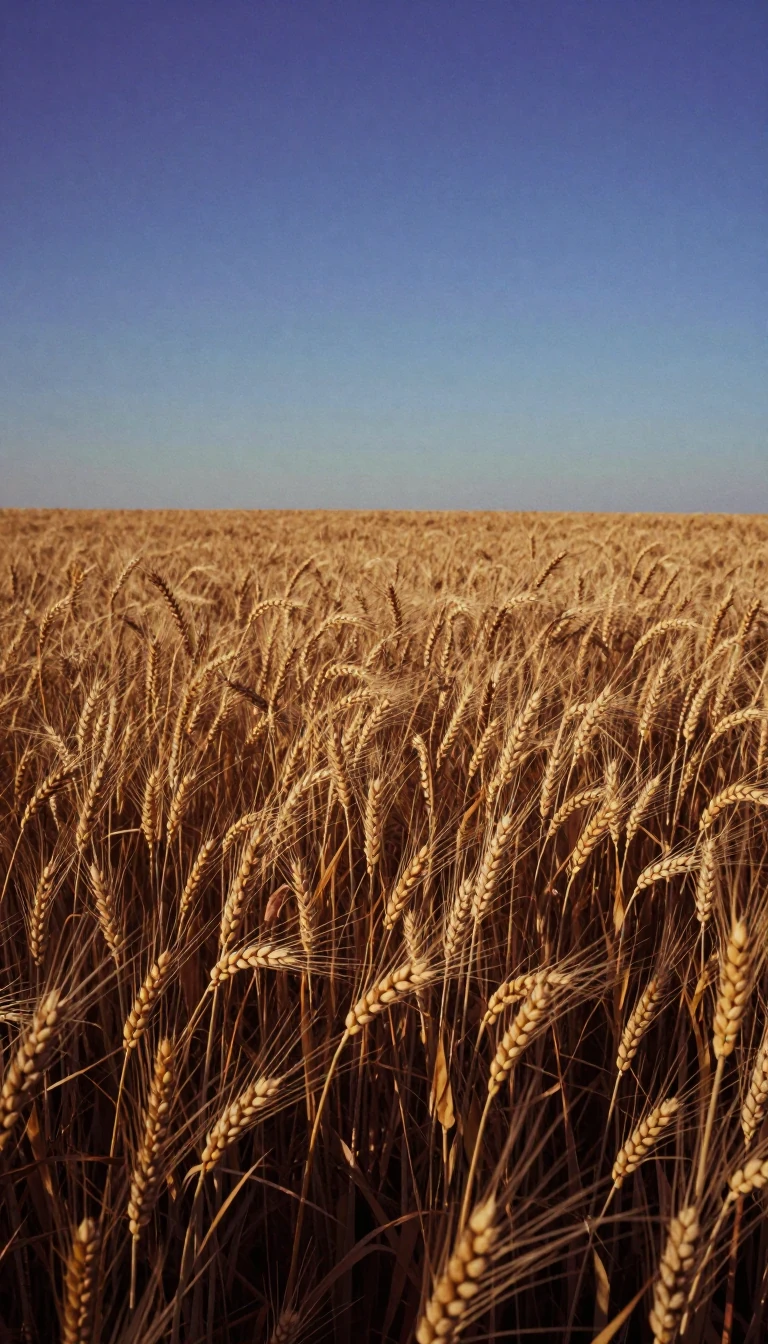
A central driver of the catastrophe was the 'illusion of superabundance.' Under intense political pressure, local officials consistently over-reported grain yields to superiors. This led the central government to believe there was a surplus, prompting them to maintain high grain export rates and shift land toward non-food crops. In reality, actual grain production plummeted, falling to 70% of 1958 levels by 1960. Because of a pervasive culture of political suppression, officials feared reporting the truth, and those who did were often purged. Consequently, grain was exported while millions starved, and in some regions, desperate survivors resorted to cannibalism.
The role of natural disasters remains a point of historical contention. While some scholars argue that weather conditions, particularly in 1959, contributed to the decline in output, others note that meteorological data suggests the droughts and floods were within typical patterns for China. Economists have estimated that government policy accounted for approximately 69% of the famine's mortality, with the remainder attributed to environmental factors. By 1962, even the Chinese government moved away from the 'Three Years of Natural Disasters' narrative, officially acknowledging that the famine was primarily the result of man-made errors and the rigid, centrally planned procurement system.
Opens the Intellect+ feed with this card first. Swipe up for the next one.
Sources
- Summary by Intellect · source: Great Chinese Famine
To cite this card, link to https://intellectplus.co.uk/app/society-great-chinese-famine.
How we source, check and correct cards: Editorial standards.
General information, not professional advice. Spotted an error? Flag the card or see corrections and complaints.
Intellect Plus is a visual educational discovery platform for exploring fascinating facts and ideas. Brain Food, Not Brain Rot. What is Intellect Plus?
Related
More in History · Latest · A–Z · All topics
