Why North Korea’s Arduous March was a man-made catastrophe, not just a weather event.
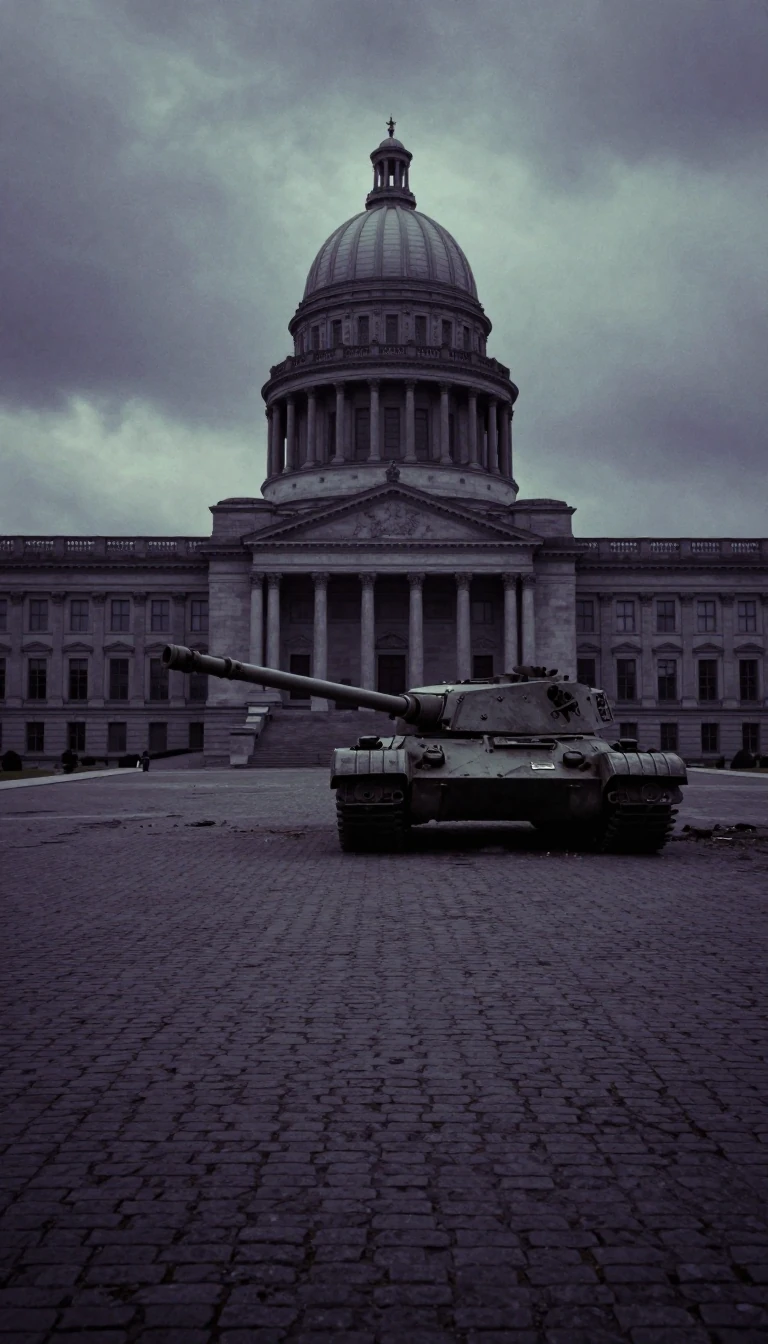
In short: Between 1994 and 1999, North Korea suffered a devastating famine that claimed hundreds of thousands of lives. While floods and droughts were the immediate triggers, the crisis was the culmination of decades of economic mismanagement, the loss of Soviet support, and a rigid, state-controlled system that failed its people.
The famine, officially termed the Arduous March, followed the 1991 collapse of the Soviet Union, which had previously provided essential trade concessions and cheap oil. Without this support, North Korea’s centrally planned economy spiraled. Energy imports plummeted by 75%, crippling the electrically powered irrigation systems and fertilizer production necessary for the country’s mountainous, non-arable terrain. By 1993, China—which had temporarily filled the aid gap—also reduced its support due to its own grain shortfalls.
The situation turned catastrophic in 1995 when torrential rains caused floods of biblical proportions, destroying grain reserves and infrastructure. Yet, the government’s response was paralyzed by its own ideology. It banned the word 'famine' to avoid admitting failure and prioritized the military under the 'Songun' policy, even as ordinary soldiers and their families faced severe hunger. The public distribution system, which fed 62% of the population, collapsed, leaving only 6% of citizens covered by 1997.
The human cost was staggering. Estimates of excess deaths between 1993 and 2000 range from 500,000 to 600,000, with some researchers suggesting figures as high as 2 to 3 million. The crisis forced a fundamental shift in North Korean life: as the state’s control faltered, a black market emerged, and citizens turned to illegal smuggling and private 'service car' operations to survive. This period is now viewed by some scholars as the 'natural death of North Korean Stalinism,' as the desperation of the famine eroded the regime's long-standing grip on the economy.
Ultimately, the famine was a failure of policy. The regime refused to pursue international aid until 1995 and failed to leverage foreign markets, choosing instead to enforce austerity measures like the 'eat two meals a day' campaign. Even as hospitals ran out of basic supplies—resorting to using unsterile beer bottles for IVs—the government continued to blame external saboteurs, famously executing the Minister for Agriculture in 1997 for allegedly sabotaging the harvest.
Opens the Intellect+ feed with this card first. Swipe up for the next one.
Sources
- Summary by Intellect · source: 1990s North Korean famine
To cite this card, link to https://intellectplus.co.uk/app/history-1990s-north-korean-famine.
How we source, check and correct cards: Editorial standards.
General information, not professional advice. Spotted an error? Flag the card or see corrections and complaints.
Intellect Plus is a visual educational discovery platform for exploring fascinating facts and ideas. Brain Food, Not Brain Rot. What is Intellect Plus?
Related
More in Contemporary (1945-) · More in History · Latest · A–Z · All topics
