How a bloody thumbprint in 1892 changed the course of global criminal investigation forever
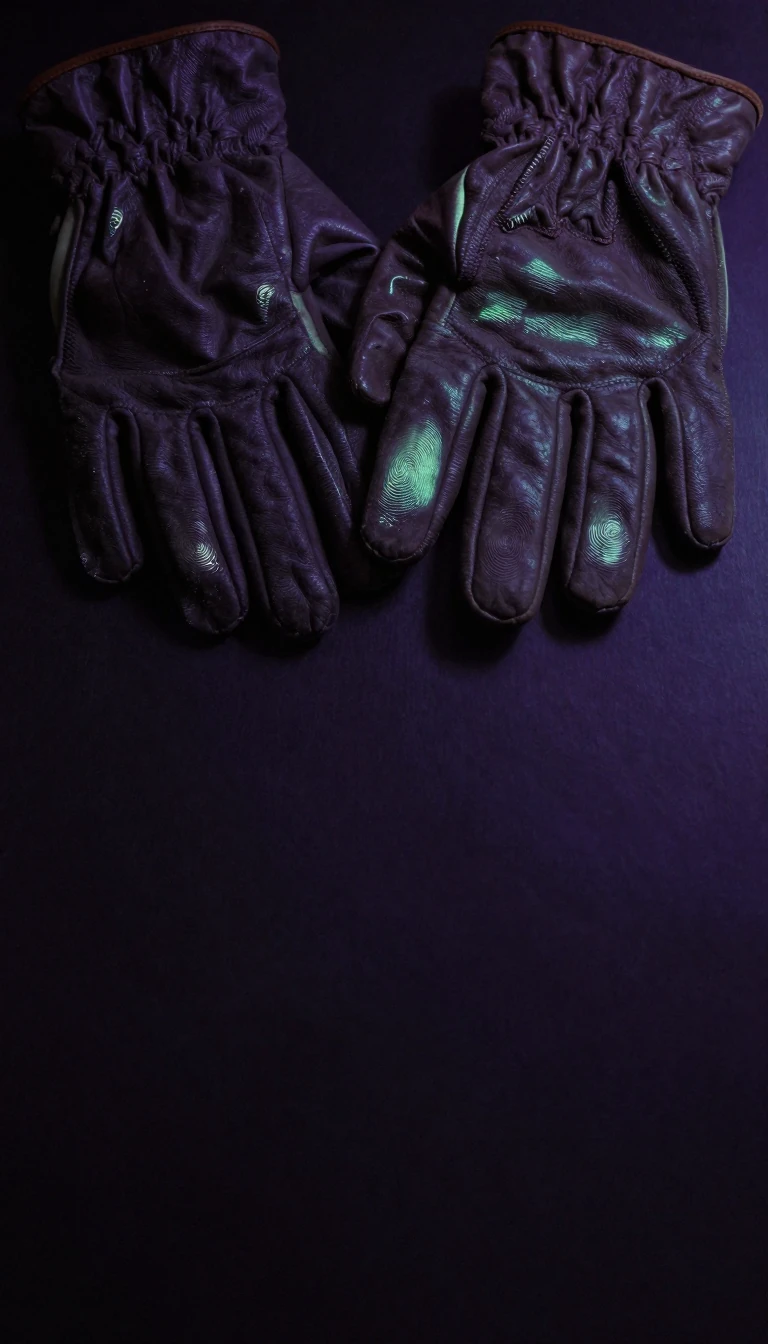
In short: Before Juan Vucetich, police relied on flawed physical measurements to identify suspects. After an Argentine mother attempted to frame a stranger for the murder of her children, a single bloody print proved her guilt. This breakthrough transformed dactyloscopy from a theoretical concept into the foundation of modern forensic science worldwide.
Born Ivan Vučetić in 1858 within the Austrian Empire, the man who would become Juan Vucetich immigrated to Argentina in 1884. As a police official and anthropologist, he sought more reliable methods for identifying repeat offenders. In 1891, he began developing a systematic filing method for fingerprints, building upon the earlier research of Francis Galton. During this transitional period, his office in Buenos Aires utilized his new fingerprint system alongside the existing Bertillon method, which relied on body measurements.
The turning point for his classification system arrived in 1892. Francisca Rojas, accused of murdering her two children, attempted to deflect suspicion by wounding herself and claiming an intruder was responsible. Investigators discovered a bloody fingerprint at the scene that did not match the victim or the supposed attacker, but perfectly matched Rojas. This successful identification provided the first practical proof that fingerprinting could solve crimes that other methods might miss, leading the Argentine police to adopt his system as their standard.
Vucetich continued to refine his techniques, eventually publishing his definitive work, Dactiloscopía Comparada, in 1904. His influence expanded far beyond South America, as police forces across the globe began to integrate his classification methods into their own investigative protocols. Today, his legacy is preserved through institutions like the Forensic Science Centre in Zagreb and the police academy near La Plata, which bears his name. His contributions remain a cornerstone of forensic identity verification, marking a permanent shift in how law enforcement agencies approach criminal evidence.
While his work is now globally recognized, Vucetich’s path from a naval recruit in Pula to a pioneer of forensic science highlights the intersection of anthropology and law enforcement in the late 19th century. His ability to synthesize complex biological patterns into a searchable archive allowed for the rapid identification of individuals, a necessity for growing urban police forces. By moving past the limitations of the Bertillon system, he provided the world with a tool that remains essential to modern justice systems.
Opens the Intellect+ feed with this card first. Swipe up for the next one.
Sources
- Summary by Intellect · source: Juan Vucetich
To cite this card, link to https://intellectplus.co.uk/app/society-juan-vucetich.
How we source, check and correct cards: Editorial standards.
General information, not professional advice. Spotted an error? Flag the card or see corrections and complaints.
Intellect Plus is a visual educational discovery platform for exploring fascinating facts and ideas. Brain Food, Not Brain Rot. What is Intellect Plus?
Related
More in History · Latest · A–Z · All topics
