Did a Scottish medical missionary accidentally invent the modern science of forensic fingerprinting?
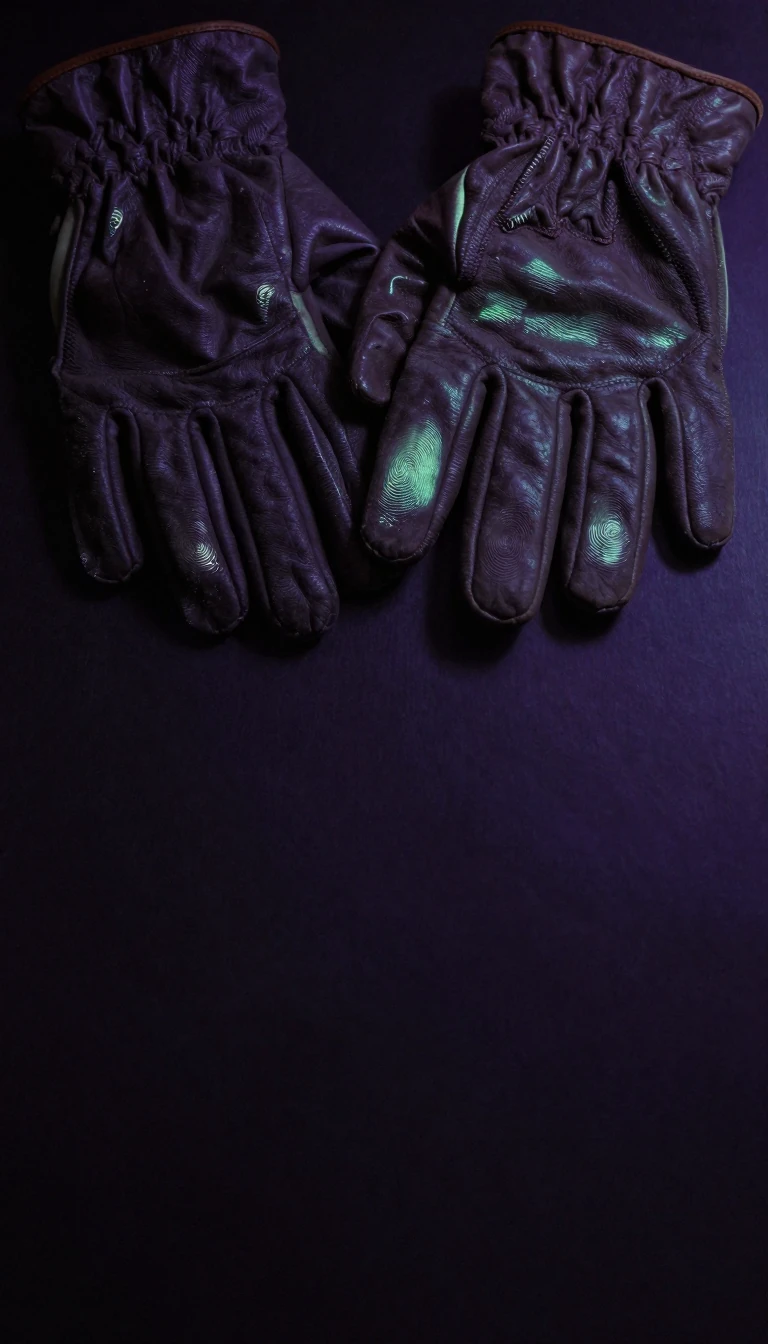
In short: Henry Faulds was a doctor in Japan when he noticed unique ridge patterns on ancient pottery and human fingertips. He used this insight to exonerate an innocent man, yet spent his later years in a bitter, lifelong struggle for recognition against rivals who claimed the discovery as their own.
Born in 1843, Henry Faulds led a life of immense variety, transitioning from a clerk to a physician and medical missionary. While stationed in Japan in the 1870s, he established the Tsukiji Hospital, which by 1882 treated 15,000 patients annually. Beyond his medical practice, he was a polymath who founded Japan’s first society for the blind, introduced antiseptic methods to local surgeons, and actively combated epidemics of rabies and cholera.
The breakthrough in forensic science occurred when Faulds observed delicate impressions on archaeological fragments. After confirming that fingertip ridge patterns were unique to individuals, he successfully applied this knowledge to clear a staff member wrongly accused of a crime. In 1880, he published his findings in the journal Nature, marking the first proposal for the forensic use of fingerprints. However, his attempt to introduce the system to Scotland Yard in 1886 was rejected, likely due to a lack of comprehensive evidence regarding the durability and classification of prints.
A significant controversy emerged regarding the true inventor of fingerprinting. Sir William Herschel, a British official in India, claimed he had used fingerprints for identification since 1860, though he had not proposed them for forensic purposes. Meanwhile, Francis Galton, who received Faulds’ initial ideas via Charles Darwin, later placed the study on a scientific footing without adequately crediting Faulds. This led to a decades-long dispute, with Faulds writing books from 1905 onward to argue his case.
Faulds died in 1930, still feeling bitter about the lack of formal recognition for his contributions. While the Japanese police officially adopted the system in 1911, it took nearly a century for his legacy to be formally commemorated with plaques in Scotland and Japan. Today, the debate remains a cautionary tale about the intersection of scientific discovery, academic credit, and the slow, often contentious path to institutional acceptance.
Opens the Intellect+ feed with this card first. Swipe up for the next one.
Sources
- Summary by Intellect · source: Henry Faulds
To cite this card, link to https://intellectplus.co.uk/app/science-henry-faulds.
How we source, check and correct cards: Editorial standards.
General information, not professional advice. Spotted an error? Flag the card or see corrections and complaints.
Intellect Plus is a visual educational discovery platform for exploring fascinating facts and ideas. Brain Food, Not Brain Rot. What is Intellect Plus?
Related
More in Social scientists · More in Science · Latest · A–Z · All topics
