How a humble school teacher became the architect of modern India's food security
In short: Lal Bahadur Shastri rose from modest beginnings to lead India through its most precarious moments. A man of deep principle, he navigated the 1965 war and launched transformative agricultural campaigns that reshaped the nation. His legacy remains a blend of quiet socialist governance and enduring mystery surrounding his sudden death.
Born in 1904, Shastri grew up in a traditional joint family, losing his father at just 18 months old. His path to leadership was forged in the crucible of the Indian independence movement, where he was mentored by figures like J.B. Kripalani and Mahatma Gandhi. After graduating from the Kashi Vidyapith in 1925 with a degree in philosophy and ethics, he dedicated his life to public service, spending nearly nine years in British prisons for his activism.
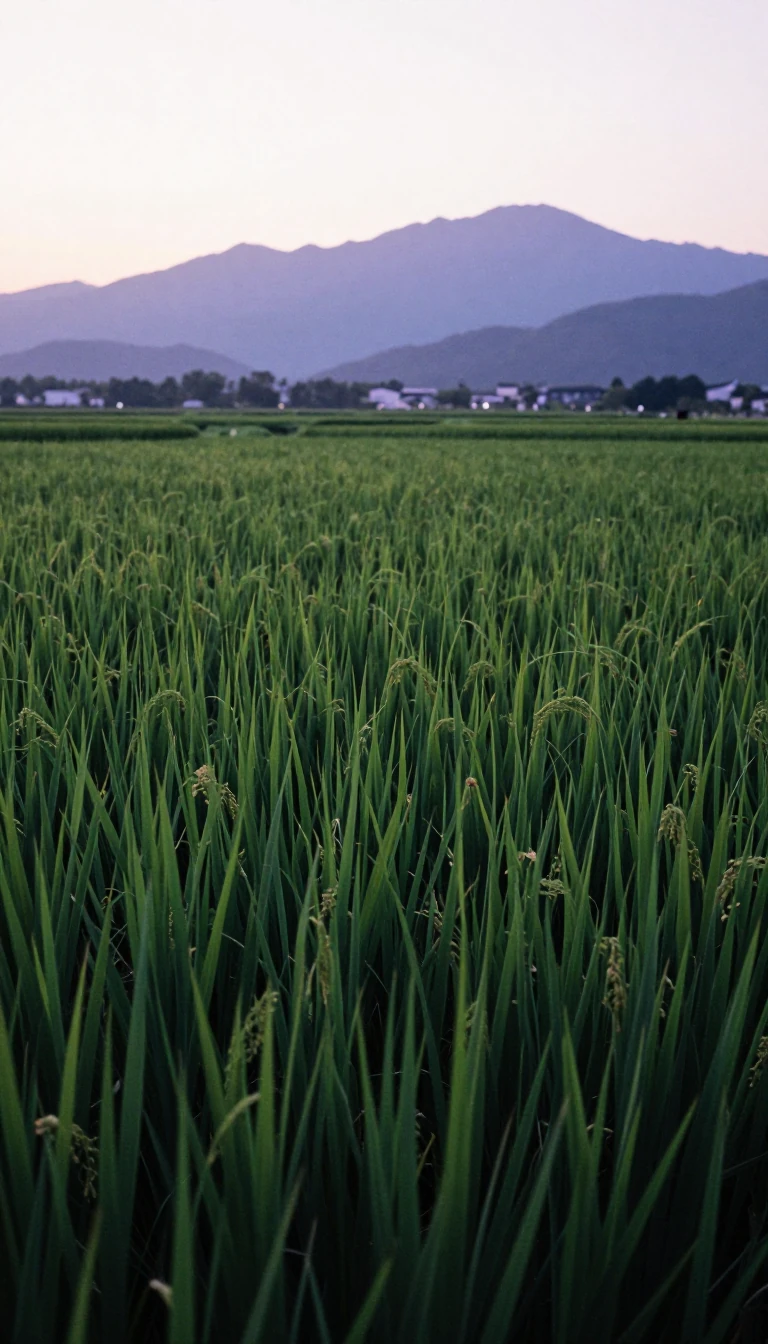
As Prime Minister from 1964 to 1966, Shastri inherited a nation facing severe food shortages and external threats. He famously urged citizens to skip a meal a week to conserve resources, even practicing this austerity within his own household. To address chronic scarcity, he championed the Green Revolution, which boosted grain production in Punjab, Haryana, and Uttar Pradesh, and the White Revolution, which established the National Dairy Development Board to modernize milk production.
Shastri’s leadership during the 1965 conflict with Pakistan solidified his status as a national hero. His rallying cry, honoring both the soldier and the farmer, became a defining slogan for Indian self-respect. Following the Tashkent Declaration, which formally ended the war, Shastri died suddenly on January 11, 1966. While officially attributed to a heart attack, the circumstances of his passing have fueled persistent conspiracy theories and public debate for decades, with some still alleging he was poisoned.
Beyond his political maneuvers, Shastri was known for his personal integrity and unconventional approach to governance. He resigned as Railway Minister in 1956, taking moral responsibility for train accidents, and was the first to appoint women as bus conductors in Uttar Pradesh. His life, from his early days as a student activist to his final hours in Tashkent, remains a testament to a leader who prioritized the common man over political posturing.
Opens the Intellect+ feed with this card first. Swipe up for the next one.
Sources
- Summary by Intellect · source: Lal Bahadur Shastri
To cite this card, link to https://intellectplus.co.uk/app/society-lal-bahadur-shastri.
How we source, check and correct cards: Editorial standards.
General information, not professional advice. Spotted an error? Flag the card or see corrections and complaints.
Intellect Plus is a visual educational discovery platform for exploring fascinating facts and ideas. Brain Food, Not Brain Rot. What is Intellect Plus?
Related
More in History · Latest · A–Z · All topics
