The Scottish palace where a commoner's hay wagon toppled an empire
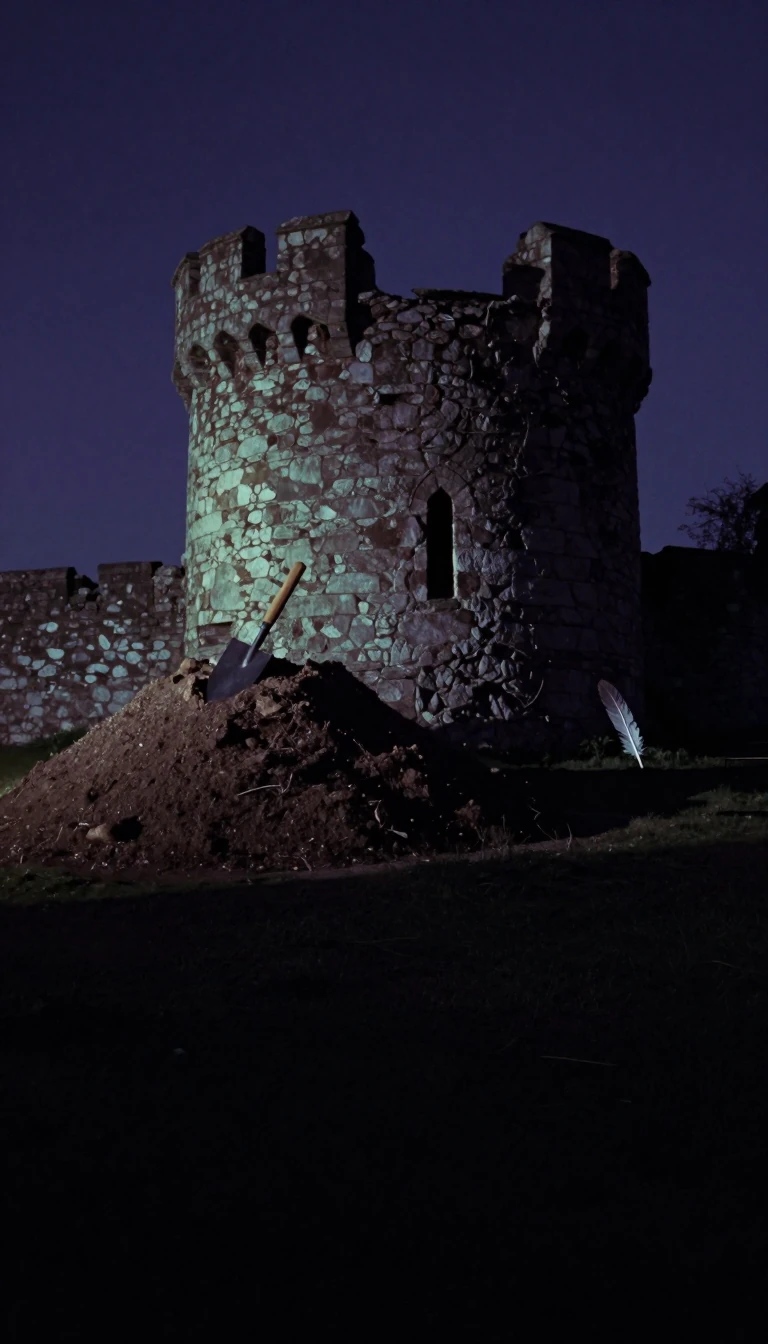
In short: In 1313, a simple hay seller named William Bynnie executed one of history's most audacious heists. By blocking a gate with his wagon, he led a daring raid to retake a strategic English fortress. This site would later become a royal residence for monarchs, queens, and prisoners alike.
The site of Linlithgow Palace has been a seat of power since the 12th century. In 1301/2, English forces under Edward I transformed a royal manor into 'the Peel,' a fortified military base designed to secure supply routes between Edinburgh and Stirling Castles. The construction was a massive logistical undertaking: in September 1302, sixty men and 140 women were hired to dig ditches, with the women earning a penny a day while the men received twopence.
The fortress was reclaimed by Scotland in 1313 through a stroke of opportunism. William Bynnie, a local who sold hay to the garrison, waited for the gate to open. He halted his wagon to prevent it from closing, allowing him and his seven sons to leap from a hiding place beneath the hay and capture the peel for King Robert the Bruce. Following the victory, the King ordered the fort dismantled to prevent further English occupation.
Under King James I, the site transitioned from a fortress to a grand royal residence, inspired by the style of Sheen Palace in England. It became a cradle of Scottish royalty: Margaret Tudor gave birth to James V there in 1512, and Mary, Queen of Scots, was born there in December 1542. The palace served as a sophisticated hub of court life, featuring a tennis court, an eel-trap in the Loch, and even a room for silver vessels. It remained a site of high drama, hosting everything from diplomatic negotiations and royal births to the imprisonment of Highland lords.
The palace's history is marked by both opulence and utility. James IV famously provided 'drinksilver' tips to masons and commissioned crimson satin for his doublets. Later, in the late 16th century, it served as a nursery for Princess Elizabeth and a site for heated arguments over the custody of Prince Henry. Though it was burned out in 1746, the ruins remain a testament to centuries of Scottish political and domestic life.
Opens the Intellect+ feed with this card first. Swipe up for the next one.
Sources
- Summary by Intellect · source: Linlithgow Palace
To cite this card, link to https://intellectplus.co.uk/app/society-linlithgow-palace.
How we source, check and correct cards: Editorial standards.
General information, not professional advice. Spotted an error? Flag the card or see corrections and complaints.
Intellect Plus is a visual educational discovery platform for exploring fascinating facts and ideas. Brain Food, Not Brain Rot. What is Intellect Plus?
Related
More in UK & Ireland: life · More in Society · Latest · A–Z · All topics
