From telegraphy to real-time translation: the hidden evolution of optical character recognition
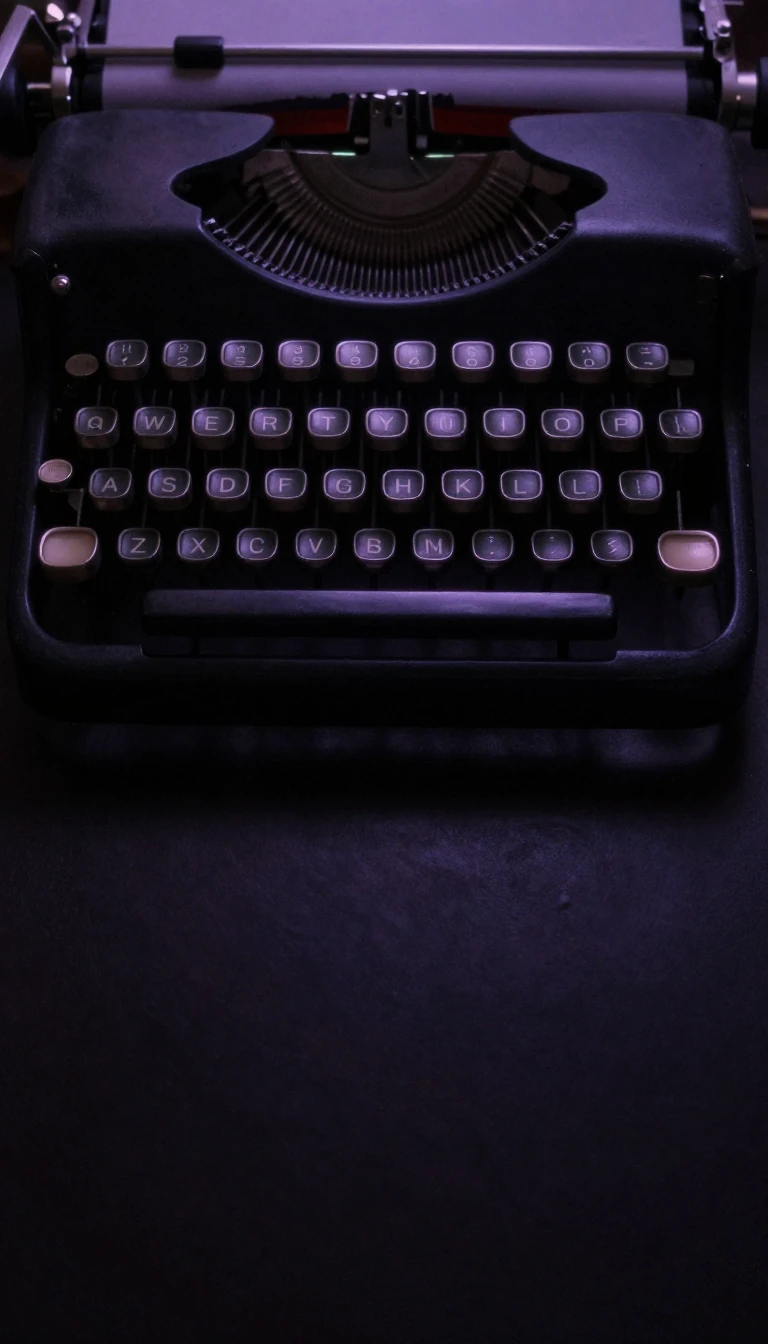
In short: Optical character recognition is the silent engine behind our digital world, transforming static images into searchable, editable data. What began as a mechanical aid for the blind has evolved into a sophisticated field of artificial intelligence, capable of deciphering everything from handwritten cursive to complex multilingual street signs.
The roots of optical character recognition (OCR) trace back to the early 20th century, driven by a desire to assist the visually impaired and automate telegraphy. In 1914, Emanuel Goldberg pioneered a machine that converted characters into telegraph code, while Edmund Fournier d'Albe developed the Optophone, which translated printed text into audible tones. By the late 1920s, Goldberg had advanced this field further, securing a 1931 US patent for a statistical machine designed to search microfilm archives using optical codes.
Modern OCR relies on two primary algorithmic approaches. Matrix matching, or pattern recognition, compares an image against stored glyphs pixel-by-pixel—a method effective for typewritten text but limited by font variety. Conversely, feature extraction decomposes characters into geometric components like lines and loops, reducing dimensionality to improve computational efficiency. Advanced systems often employ a two-pass approach, using high-confidence results from an initial scan to calibrate recognition for the remaining, more ambiguous characters.
Before an engine can interpret text, it must undergo rigorous pre-processing. Techniques such as binarization—converting images to black-and-white—and de-skewing are essential to isolate text from backgrounds and correct alignment. Today, the technology has transcended simple document scanning. It now powers real-time translation on smartphones, automates data entry for passports and invoices, and even challenges the robustness of anti-bot systems like CAPTCHA. As the field integrates machine learning, it continues to bridge the gap between physical artifacts and the digital landscape.
Opens the Intellect+ feed with this card first. Swipe up for the next one.
Sources
- Summary by Intellect · source: Optical character recognition
To cite this card, link to https://intellectplus.co.uk/app/society-optical-character-recognition.
How we source, check and correct cards: Editorial standards.
General information, not professional advice. Spotted an error? Flag the card or see corrections and complaints.
Intellect Plus is a visual educational discovery platform for exploring fascinating facts and ideas. Brain Food, Not Brain Rot. What is Intellect Plus?
Related
More in UK & Ireland: life · More in Society · Latest · A–Z · All topics
