Port wine is a happy accident of history, war, and English taste
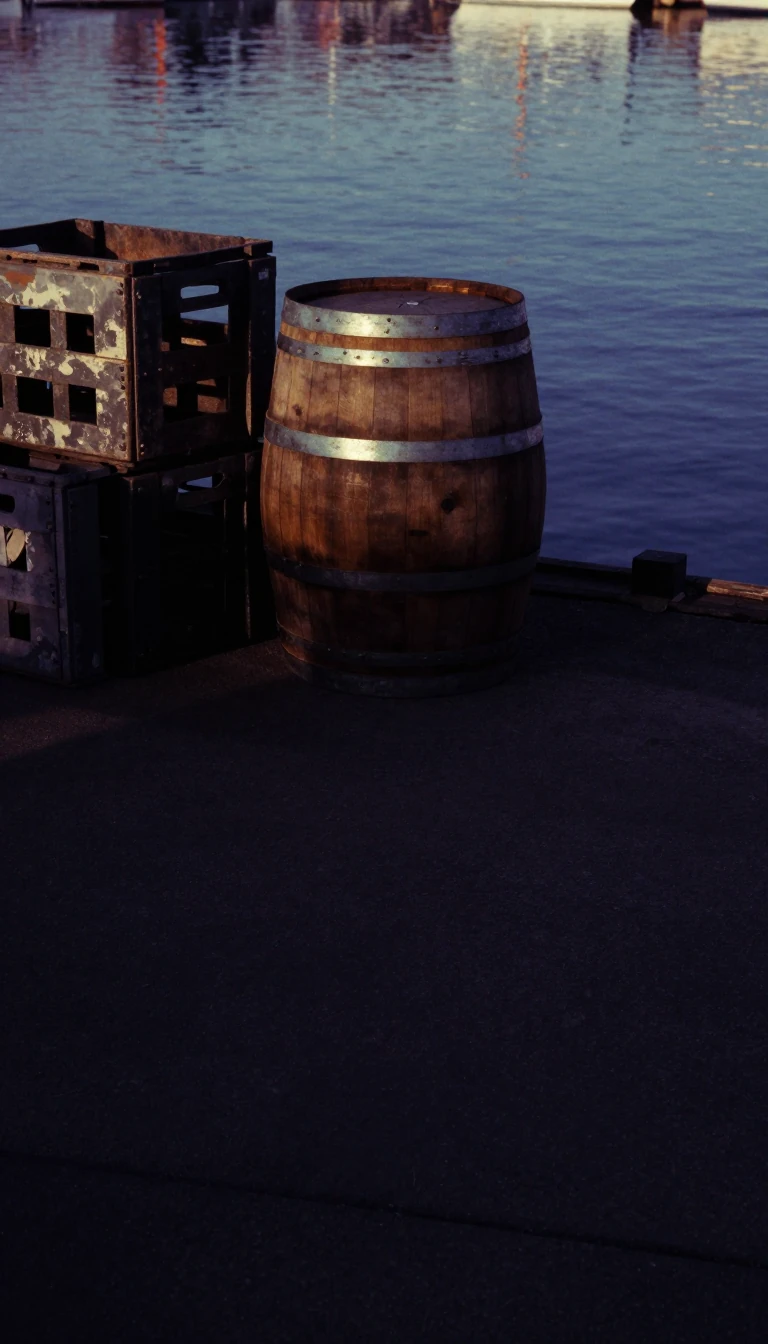
In short: Born from a chance encounter between English merchants and a Portuguese abbot in 1678, port wine became a global staple through political necessity. By fortifying wine with grape spirit to survive long sea voyages, producers created a distinct, sweet, and potent drink that remains protected by strict regional laws today.
The story of port begins in 1678, when two English merchants visiting the Douro Valley discovered a smooth, sweet, fortified wine produced by the Abbot of Lamego. They purchased the entire lot, shipping it to England. Its popularity exploded following the 1703 Methuen Treaty, which lowered duties on Portuguese wine while conflict with France cut off traditional supplies. This created a lasting British influence on the trade, evident in the names of historic shippers like Taylor, Graham, and Croft.
Port is defined by its unique production method: the addition of neutral grape spirit, or aguardente, which halts fermentation. This leaves residual sugar and boosts alcohol content to between 19% and 22%. The wine is produced in the Douro Valley, a region officially demarcated in 1756, making it the world's third-oldest protected wine region after Chianti and Tokaj. The valley's rugged terrain, characterized by schist and granite, is divided into three zones: the wet Baixo Corgo, the higher-quality Cima Corgo, and the warmer, drier Douro Superior.
Port styles are broadly categorized by their maturation process. Ruby ports are aged in sealed containers to prevent oxidation, preserving their bright color and fruitiness. In contrast, tawny ports undergo oxidative aging in wooden barrels, leading to a more viscous texture and complex flavor profile. While vintage port is the most prestigious, it represents only about two percent of total production. Other varieties, such as Late Bottled Vintage (LBV) and crusted port, offer different approaches to blending and aging, reflecting the diverse craftsmanship of the region's producers.
Despite its storied history, the port industry faces modern challenges. Sales have been in decline since 2005, with 2023 figures showing about 7.2 million cases sold, valued at €364 million. Industry experts attribute this trend to rising production costs and the global shift toward higher-alcohol table wines. Nevertheless, the strict regulations enforced by the Instituto dos Vinhos do Douro e Porto ensure that only wines from this specific Portuguese region may carry the name port.
Opens the Intellect+ feed with this card first. Swipe up for the next one.
Sources
- Summary by Intellect · source: Port wine
To cite this card, link to https://intellectplus.co.uk/app/society-port-wine.
How we source, check and correct cards: Editorial standards.
General information, not professional advice. Spotted an error? Flag the card or see corrections and complaints.
Intellect Plus is a visual educational discovery platform for exploring fascinating facts and ideas. Brain Food, Not Brain Rot. What is Intellect Plus?
Related
More in UK & Ireland: life · More in Society · Latest · A–Z · All topics
