Why some films show the world exactly as it appears
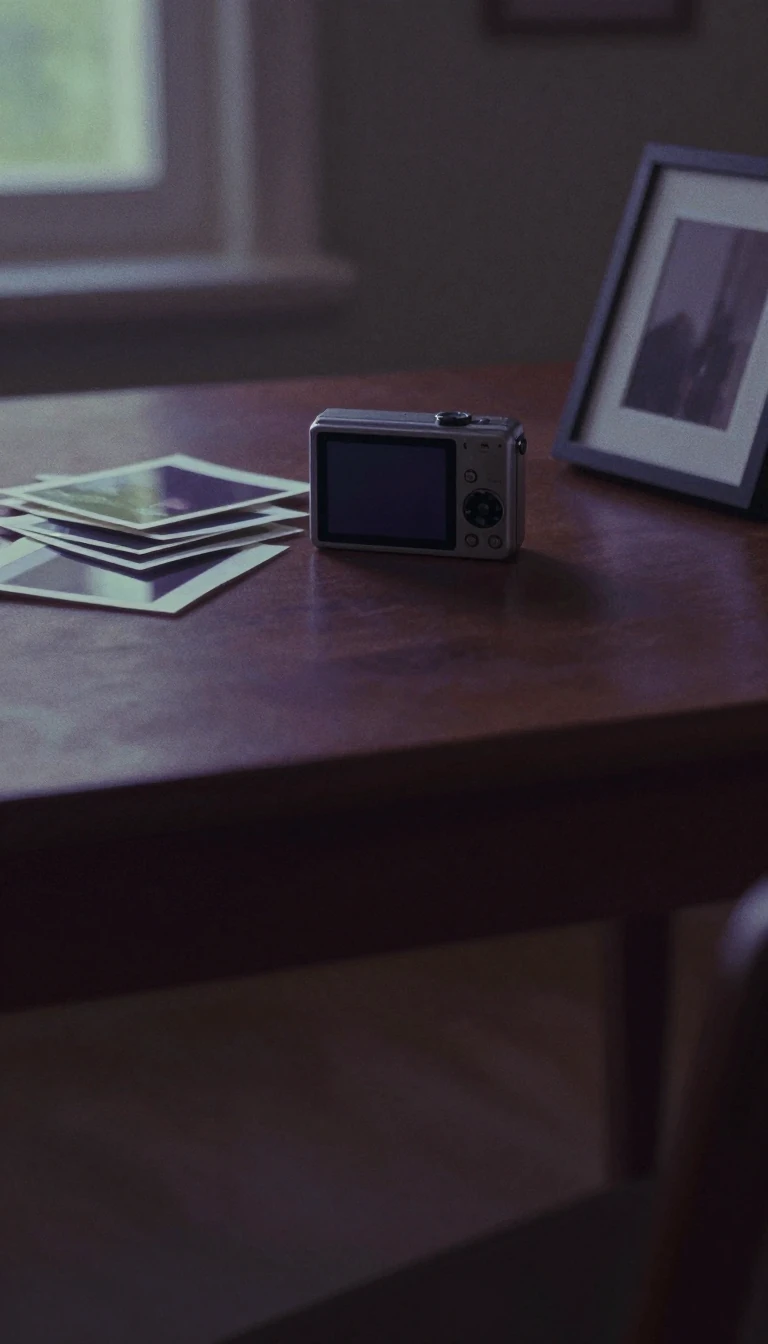
In short: Most film photography relies on negatives—inverted images that require a second step to become visible. Reversal film skips the middleman. It produces a positive image directly on a transparent base, offering vibrant colors and high resolution that were once the gold standard for professional publication and cinema.
Reversal film, also known as slide or transparency film, creates a positive image on a transparent base. Unlike negative film, which requires printing to see the final result, reversal film produces 'diapositive' images. This makes it uniquely suited for large-format projection, where many spectators can view a single frame simultaneously. Historically, it was the preferred medium for commercial and advertising photography until approximately 1995 because of its superior contrast and resolution compared to color negatives.
The technological evolution of this medium is split into two primary methods: additive and subtractive. The Lumière Autochrome, introduced in 1907, was an additive process using dyed potato starch grains on glass plates. In contrast, the 1935 introduction of Kodachrome marked the shift to the subtractive method. Kodachrome was revolutionary because it contained no color dye couplers; instead, they were added during a complex multi-step development process. By 1936, Agfacolor Neu simplified this by incorporating dye couplers directly into the emulsion, making the processing much more straightforward.
While color reversal dominated the market, black-and-white reversal film exists as a rarer specialty. It can be created through complex chemical reversal—where a negative is bleached with potassium permanganate or potassium dichromate and then re-exposed—or through modern processes like dr5 Chrome. Today, while digital media has largely replaced transparency film, reversal stock remains a prestigious choice for filmmakers. Notable films like 'Buffalo '66' (1998) and 'Poor Things' (2023) utilized reversal stock to achieve specific aesthetic qualities like vibrant color and fine grain that standard negative film cannot easily replicate.
Opens the Intellect+ feed with this card first. Swipe up for the next one.
Sources
- Summary by Intellect · source: Reversal film
To cite this card, link to https://intellectplus.co.uk/app/society-reversal-film.
How we source, check and correct cards: Editorial standards.
General information, not professional advice. Spotted an error? Flag the card or see corrections and complaints.
Intellect Plus is a visual educational discovery platform for exploring fascinating facts and ideas. Brain Food, Not Brain Rot. What is Intellect Plus?
Related
More in Post-classical · More in Society · Latest · A–Z · All topics
