Exposure is not just about light; it is the art of managing information loss.
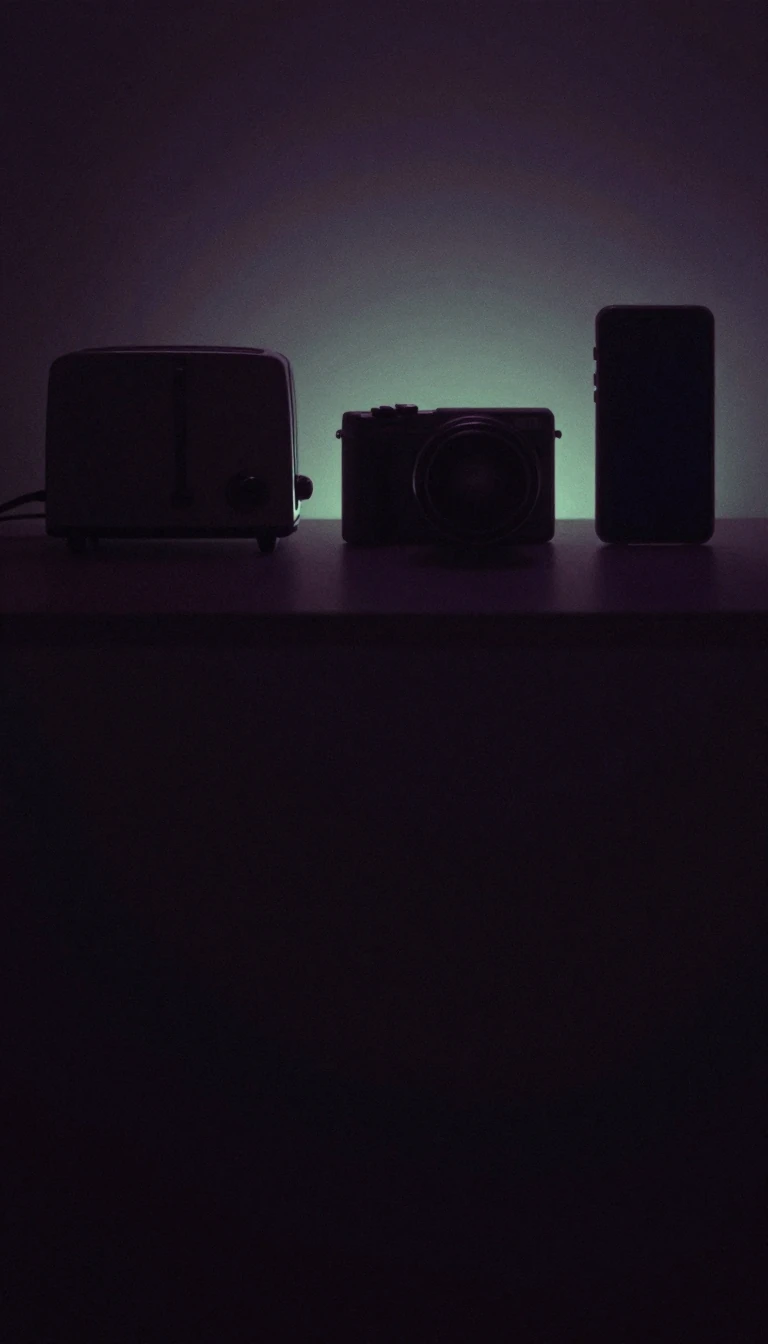
In short: Photography is a balancing act between light and the physical limits of your sensor. While we often chase the perfect exposure, the real skill lies in deciding which details to sacrifice. Understanding how light interacts with your medium allows you to manipulate shadows and highlights for intentional, powerful visual effects.
At its core, exposure is the total amount of light reaching a film or sensor, defined by the interplay of shutter speed, aperture, and scene luminance. Photographers measure this in lux-seconds or joules per square meter, but the technical definition often clashes with artistic intent. A 'correct' exposure is simply one that achieves the photographer's vision, whether that involves capturing a pristine white cloth or embracing the heavy, pitiless shadows of film noir.
The primary challenge is the sensor's dynamic range. Every medium has a limited capacity to record detail; once light levels fall outside this range, information is lost. Underexposure results in 'blocked-up' shadows, while overexposure leads to 'blown-out' highlights. Because cameras cannot selectively adjust exposure across a single frame, photographers must often choose which details to preserve. Digital sensors, for instance, generally favor highlight preservation, whereas negative film is more forgiving with shadows.
When a scene's contrast exceeds the camera's range, professionals use techniques like exposure bracketing or graduated neutral-density filters to manage the light. Reciprocity—the trade-off between aperture and shutter speed—allows for creative control, such as using a wider aperture for shallow depth of field while compensating with a faster shutter. However, pushing these settings to extremes can trigger reciprocity failure, where the medium's response to light becomes non-linear, requiring careful correction.
Modern automation, such as TTL metering, simplifies the process by targeting mid-tones, but these systems often make assumptions that fail in complex lighting. Exposure compensation allows photographers to bias these automatic settings, providing a bridge between the convenience of auto-exposure and the precision of manual control. Ultimately, mastering exposure is about understanding the limitations of your tools and deciding when to break the rules to serve the image.
Opens the Intellect+ feed with this card first. Swipe up for the next one.
Sources
- Summary by Intellect · source: Exposure (photography)
To cite this card, link to https://intellectplus.co.uk/app/technology-exposure-photography.
How we source, check and correct cards: Editorial standards.
General information, not professional advice. Spotted an error? Flag the card or see corrections and complaints.
Intellect Plus is a visual educational discovery platform for exploring fascinating facts and ideas. Brain Food, Not Brain Rot. What is Intellect Plus?
Related
More in Optical technology · More in Technology · Latest · A–Z · All topics
