How one king turned guerrilla warfare into a legacy of architectural grandeur
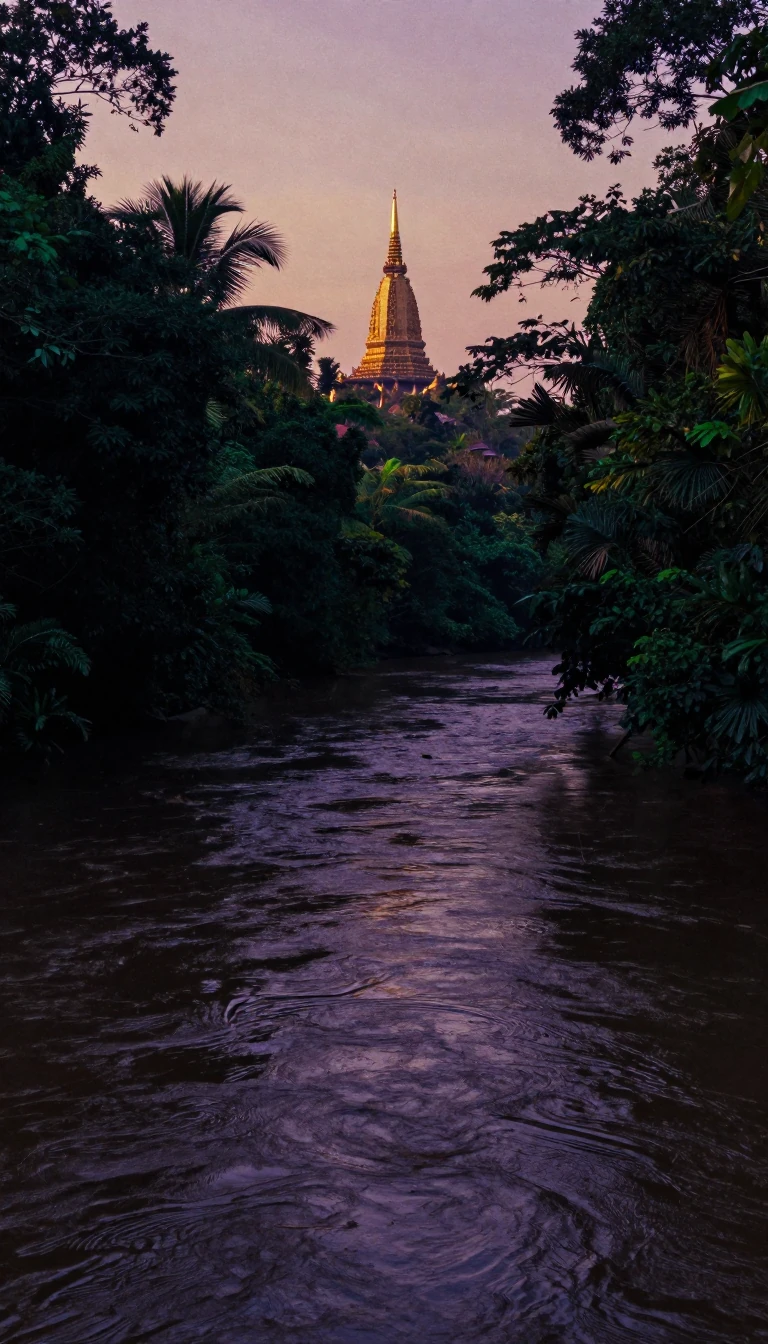
In short: Setthathirath, a 16th-century ruler of Lan Xang, defied the expansionist Burmese empire through relentless guerrilla tactics while simultaneously commissioning iconic Buddhist monuments. His reign was a volatile mix of strategic brilliance, dynastic survival, and the pursuit of a unified kingdom, leaving a mark on Southeast Asian history that endures today.
Born in 1534, Setthathirath ascended the throne of Lan Na in 1546 before returning to Lan Xang to secure his father's kingdom. His reign was defined by the existential threat of the Burmese conqueror Bayinnaung, who had already subdued neighboring powers like Ayutthaya and Chiang Mai. To consolidate his authority, Setthathirath moved the capital to Vientiane in 1560, transforming it into a fortified center of culture and religion. He commissioned major works, including the Pha That Luang and Haw Phra Kaew, the latter designed to house the Emerald Buddha—a sacred palladium he used to legitimize his rule over both Lan Na and Lan Xang.
Military conflict dominated his later years. When faced with superior Burmese forces, Setthathirath avoided conventional open-field battles, instead utilizing the rugged landscape to conduct devastating guerrilla raids. In 1565, these tactics forced a Burmese retreat, leaving Lan Xang as the sole independent Tai kingdom. Even after a major defeat in 1569, he regrouped near the Nam Ngum River, eventually counterattacking in 1570 to capture 30,000 prisoners and significant spoils, including 100 elephants and over 2,000 pieces of ivory.
His life ended abruptly in 1571 when he was murdered at age 37 during a conspiracy on the southern frontier. His death triggered a period of profound instability, leading to a Burmese occupation that lasted eighteen years. Despite this collapse, his legacy persisted through his son, who was eventually released from Burmese captivity to reclaim the throne in 1591. Setthathirath remains a towering figure in Lao history, remembered not only for his military resilience against regional superpowers but for the architectural foundations he laid in Vientiane, which served as the capital for the next two and a half centuries.
Opens the Intellect+ feed with this card first. Swipe up for the next one.
Sources
- Summary by Intellect · source: Setthathirath
To cite this card, link to https://intellectplus.co.uk/app/society-setthathirath.
How we source, check and correct cards: Editorial standards.
General information, not professional advice. Spotted an error? Flag the card or see corrections and complaints.
Intellect Plus is a visual educational discovery platform for exploring fascinating facts and ideas. Brain Food, Not Brain Rot. What is Intellect Plus?
Related
More in History · Latest · A–Z · All topics
