How a Sasanian King Turned Captured Roman Emperors Into Infrastructure and Urban Planning
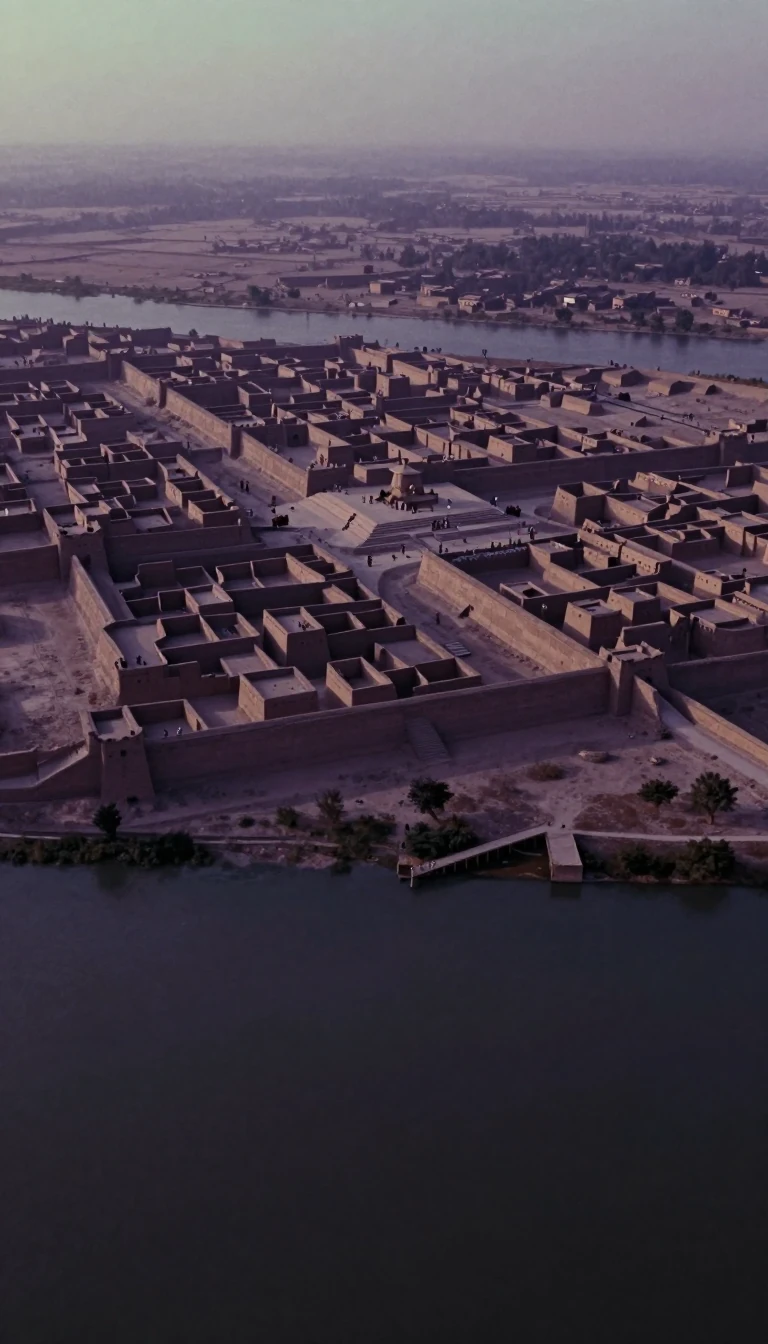
In short: Shapur I, the second Sasanian King of Kings, did not just defeat Roman armies; he systematically repurposed them. By capturing thousands of Roman subjects and even an emperor, he transformed his empire's economy, building sophisticated dams and cities like Gundeshapur using the labor and expertise of his defeated foes.
Shapur I, who ruled from 240 to 270, redefined the Sasanian Empire by expanding its reach and asserting dominance over the Roman Empire. His reign was marked by significant military campaigns, most notably the capture of the Roman emperor Valerian in 260. Unlike his predecessors, Shapur frequently deported vast numbers of Roman artisans and skilled laborers to the Sasanian heartland. This influx of human capital revitalized Iranian commerce and provided the workforce necessary for his ambitious infrastructure projects.
The king’s legacy is physically etched into the landscape of modern-day Iran. He founded cities such as Bishapur and Gundeshapur, the latter becoming a renowned center of scholarship. His engineering prowess is perhaps best exemplified by the Band-e Kaisar, or 'Caesar’s dyke,' a dam and irrigation system near Shushtar constructed by Roman prisoners. These projects demonstrate a pragmatic approach to conquest, where the spoils of war were not merely looted riches but the technical expertise required to modernize the Sasanian state.
Beyond his military and architectural achievements, Shapur was a complex ruler who navigated the religious diversity of his era. While he identified as a Mazda-worshipping Zoroastrian and established numerous fire temples, he was notably tolerant of the emerging Manichaean faith. He even hosted the prophet Mani at his court. Despite his grand title, 'King of Kings of Iranians and non-Iranians,' historians note that his actual territorial control remained largely consistent with that of his father, Ardashir I, suggesting that his true innovation lay in his administrative and cultural consolidation of the empire.
Shapur’s reign also highlights the fluid nature of Sasanian power. He relied heavily on the existing Parthian nobility, known as the wuzurgan, who served as the backbone of his feudal army. His ability to maintain authority while balancing the interests of these autonomous families, managing religious movements, and repeatedly challenging the Roman Empire underscores his role as a pivotal figure in the transition from the Parthian to the Sasanian era.
Opens the Intellect+ feed with this card first. Swipe up for the next one.
Sources
- Summary by Intellect · source: Shapur I
To cite this card, link to https://intellectplus.co.uk/app/society-shapur-i.
How we source, check and correct cards: Editorial standards.
General information, not professional advice. Spotted an error? Flag the card or see corrections and complaints.
Intellect Plus is a visual educational discovery platform for exploring fascinating facts and ideas. Brain Food, Not Brain Rot. What is Intellect Plus?
Related
More in History · Latest · A–Z · All topics
