The erased queen: Egypt's final 19th Dynasty pharaoh and her systematic deletion
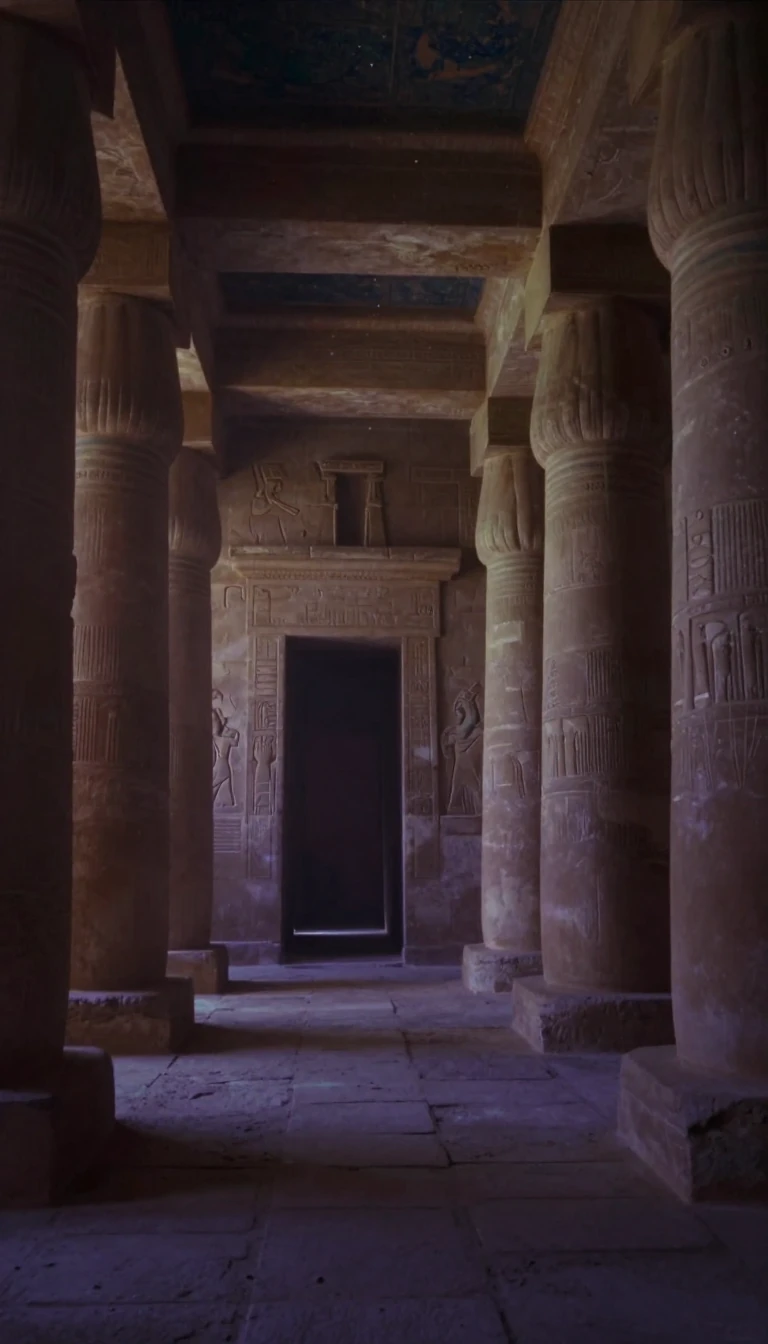
In short: Tausret was more than a footnote; she was a formidable ruler who navigated a landscape of power struggles, civil war, and dynastic transition. Yet, her successors worked tirelessly to scrub her from history, dismantling her temples and erasing her name to secure their own legitimacy.
Tausret (d. 1188 BC) ascended to the throne following the death of her husband, Seti II. While she initially served as regent for the young Siptah, she eventually assumed the title of Pharaoh herself. Recent archaeological evidence from her mortuary temple at Gournah suggests she ruled for approximately nine years—a significantly longer tenure than the seven years traditionally cited by ancient historians like Manetho. This extended reign was marked by significant political maneuvering, including the execution of Chancellor Bay, a West Asian official whom Tausret likely viewed as a political rival to her authority.
Her reign was characterized by both expansion and internal instability. While she maintained connections to turquoise mines in Sinai and Palestine, her territories in Canaan faced increasing independence under a local leader named Irsu. Domestically, her authority was contested by the looming shadow of the 20th Dynasty. Following her death or overthrow in a civil war, her successor Setnakhte initiated a campaign of 'damnatio memoriae.' He usurped her tomb (KV14), redrew her images, and dismantled her mortuary temple to reuse the stones as building material, likely to eliminate her as a potential source of legitimacy for rival claimants to the throne.
The systematic destruction of her monuments was so effective that by the time of the 20th Dynasty, many of her structures were nearly obliterated. This erasure served a specific political purpose: by delegitimizing the last descendants of Ramesses II, the new dynasty could more easily consolidate power over the numerous potential heirs of the 19th Dynasty. Today, Tausret remains a compelling study of how history is not just recorded, but actively curated by those who seek to control the future.
Tausret's royal name, Sitre Meryamun, translates to 'Daughter of Re, beloved of Amun.' Despite her erasure, her presence is still felt in various inscriptions across Egypt, from Heliopolis to Nubia, and in the surviving fragments of her structurally completed temple.
Opens the Intellect+ feed with this card first. Swipe up for the next one.
Sources
- Summary by Intellect · source: Tausret
To cite this card, link to https://intellectplus.co.uk/app/society-tausret.
How we source, check and correct cards: Editorial standards.
General information, not professional advice. Spotted an error? Flag the card or see corrections and complaints.
Intellect Plus is a visual educational discovery platform for exploring fascinating facts and ideas. Brain Food, Not Brain Rot. What is Intellect Plus?
Related
More in Post-classical · More in Society · Latest · A–Z · All topics
