Why nearly every tortoiseshell cat you meet is genetically female
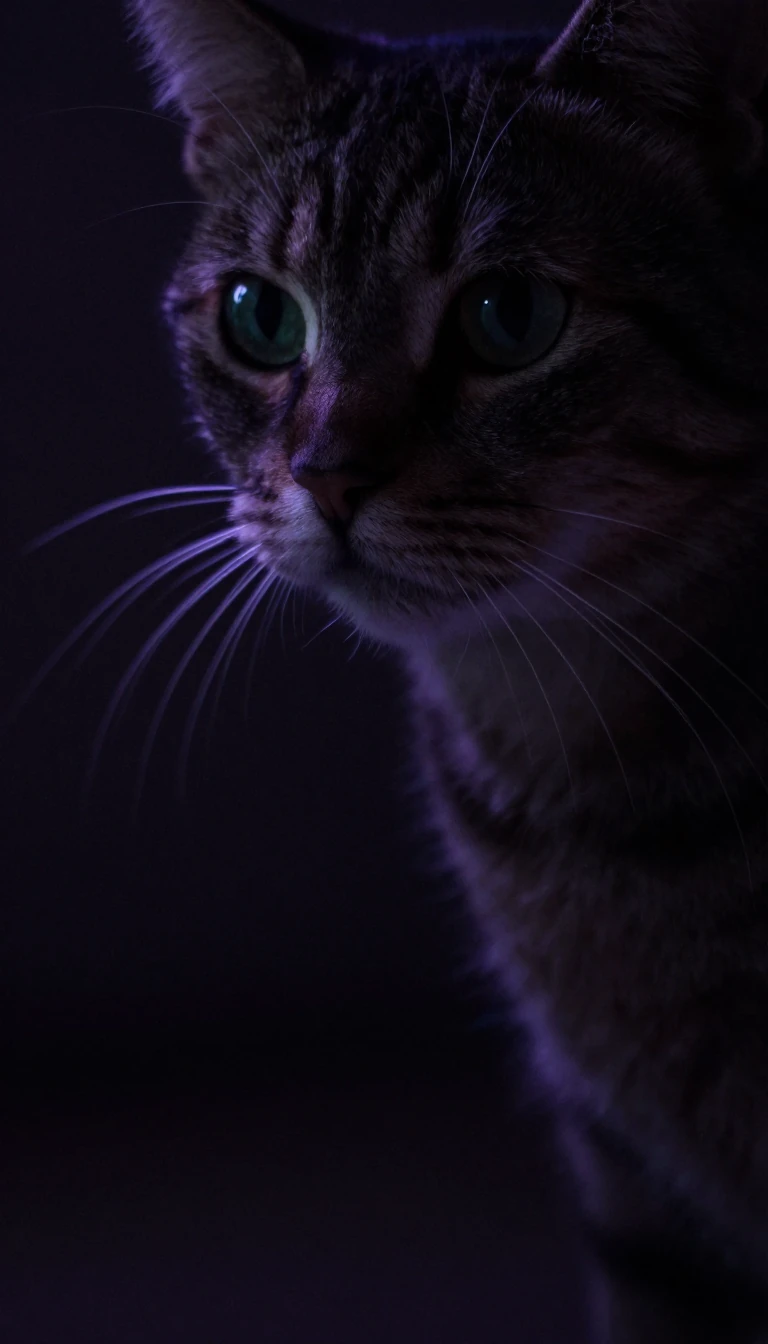
In short: The striking, asymmetrical coat of a tortoiseshell cat is more than just a pattern; it is a visible map of genetic inactivation. Because the colors are linked to the X chromosome, these cats are almost exclusively female, turning their unique appearance into a biological signature of their sex.
The tortoiseshell coat is defined by the interaction of two pigments: black-based eumelanin and orange-based phaeomelanin. In cats, the gene for orange color is located on the X chromosome. Because female cats are homogametic, possessing two X chromosomes, they can carry both the orange and non-orange alleles simultaneously. During early embryonic development, female cats undergo X-inactivation, a process where one X chromosome is randomly turned off in each cell. This creates a mosaic of cells, some expressing the orange gene and others the black-based gene, resulting in the characteristic brindled or patched appearance.
Male cats, being heterogametic with XY chromosomes, typically possess only one X chromosome. Consequently, they can express either orange or black, but not both. The rare occurrence of a male tortoiseshell—estimated at approximately 1 in 3,000—usually involves an extra X chromosome, resulting in an XXY genotype known as Klinefelter syndrome. These males are often sterile due to this chromosomal imbalance. Other rare cases arise from chimaerism, where two embryos fuse in the womb, or mosaicism, where the genetic variation occurs after conception.
Beyond the genetics, tortoiseshell cats have inspired a wealth of cultural folklore. In Ireland and Japan, they are considered harbingers of good luck, with the latter specifically associating them with protection against shipwrecks. In the United States, they are sometimes called money cats. Conversely, some English traditions view a strange tortoiseshell entering a home as a sign of misfortune. Despite these myths and the popular slang term tortitude—which suggests these cats are more aggressive—scientific studies have found no evidence linking coat color to temperament or personality.
The pattern can be further modified by other genetic factors, such as the white spotting gene, which produces the tricolor calico variety, or dilution genes that soften black to blue and red to cream. Leonard Doncaster was the first to prove the sex-linked nature of this coloration, noting that the rare tortoiseshell male is often sterile. Whether they are brindled or patched, these cats remain a fascinating intersection of developmental biology and human superstition.
Opens the Intellect+ feed with this card first. Swipe up for the next one.
Sources
- Summary by Intellect · source: Tortoiseshell cat
To cite this card, link to https://intellectplus.co.uk/app/society-tortoiseshell-cat.
How we source, check and correct cards: Editorial standards.
General information, not professional advice. Spotted an error? Flag the card or see corrections and complaints.
Intellect Plus is a visual educational discovery platform for exploring fascinating facts and ideas. Brain Food, Not Brain Rot. What is Intellect Plus?
Related
More in Family, kinship and interpersonal relationships · More in Society · Latest · A–Z · All topics
