The tabby cat is not a breed, but a genetic coat pattern found globally.
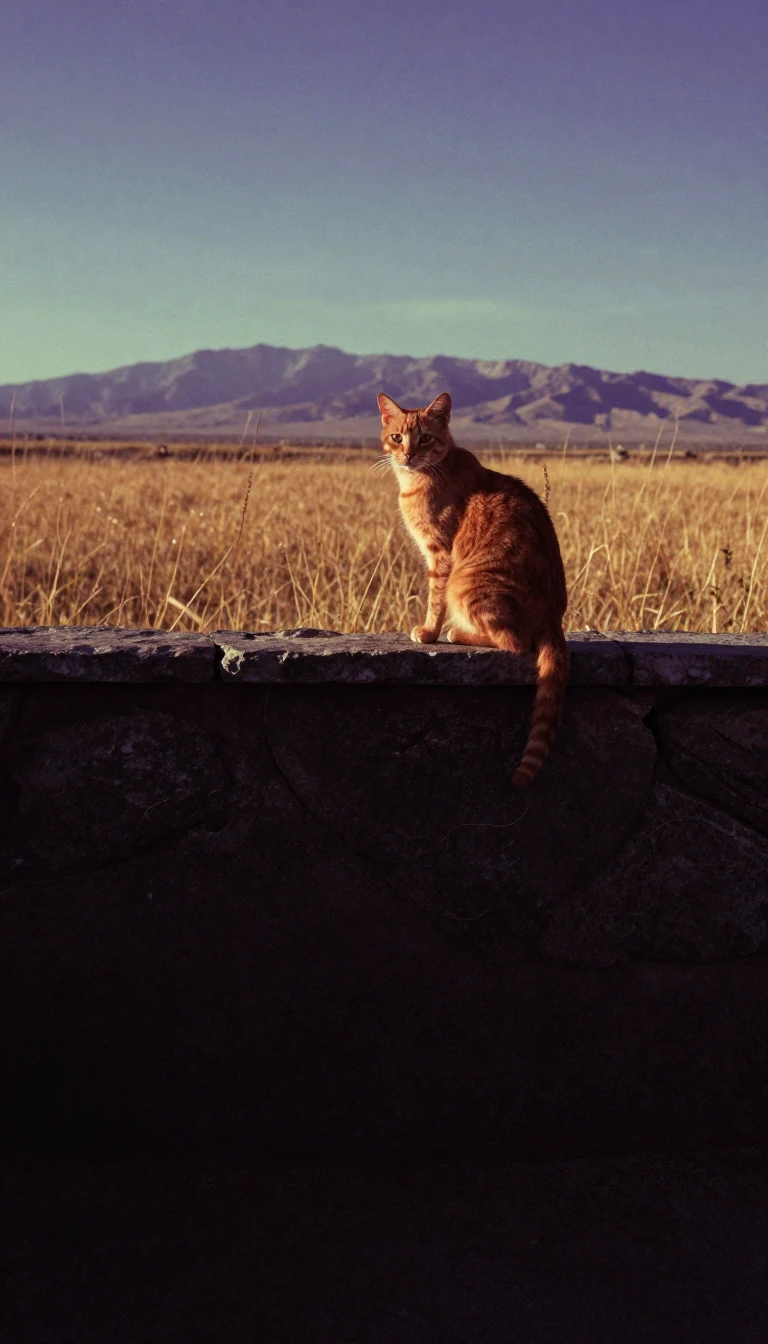
In short: The iconic M-shaped forehead marking is the hallmark of the tabby, a pattern rooted in the genetics of our cats' wild ancestors. While often mistaken for a specific breed, the tabby is a natural coat design that appears across diverse feline populations, from household pets to famous internet icons.
The tabby pattern is defined by specific markings, including stripes, swirls, or spots, and the characteristic M-shaped forehead design. It is not a breed, but a coat pattern that occurs naturally in domestic cats and their wild relatives, such as the African, European, and Asiatic wildcats. The term itself has a surprising etymology, tracing back to the 14th-century French 'tabis' and the Arabic 'ʿattābiyya', referring to a striped silk cloth from a district in Baghdad. By the 1690s, the term was applied to cats with striped coats.
Genetically, the tabby pattern is governed by two main gene loci—the agouti locus and the tabby locus—along with a modifier gene for spotting. The agouti gene determines whether the pattern is expressed; the dominant allele allows the pattern to show, while the recessive non-agouti allele masks it, resulting in solid-colored cats. Within the tabby locus, three alleles dictate the specific pattern: mackerel (the most common, featuring thin stripes), classic (featuring thick, swirling bands), and ticked (which creates a salt-and-pepper appearance by masking stripes). A separate spotted gene can further break up mackerel or classic patterns into distinct spots.
The orange tabby is a color variant linked to the sex-linked O gene. Because this gene is on the X chromosome, roughly 75% of ginger cats are male. Female cats, possessing two X chromosomes, can exhibit both orange and black colors simultaneously, leading to tortoiseshell or 'torbie' patterns. While folklore and anecdotal perceptions often link coat color to personality—such as orange cats being 'friendly'—research suggests these links are largely subjective. A 2015 study found that while some minor behavioral differences exist, they are more closely tied to sex than to coat pattern, with female cats often perceived as more aggressive during veterinary visits.
Opens the Intellect+ feed with this card first. Swipe up for the next one.
Sources
- Summary by Intellect · source: Tabby cat
To cite this card, link to https://intellectplus.co.uk/app/nature-tabby-cat.
How we source, check and correct cards: Editorial standards.
General information, not professional advice. Spotted an error? Flag the card or see corrections and complaints.
Intellect Plus is a visual educational discovery platform for exploring fascinating facts and ideas. Brain Food, Not Brain Rot. What is Intellect Plus?
Related
More in Animal breeds and hybrids · More in Nature · Latest · A–Z · All topics
