From a simple storage room to a status symbol, the history of the wardrobe
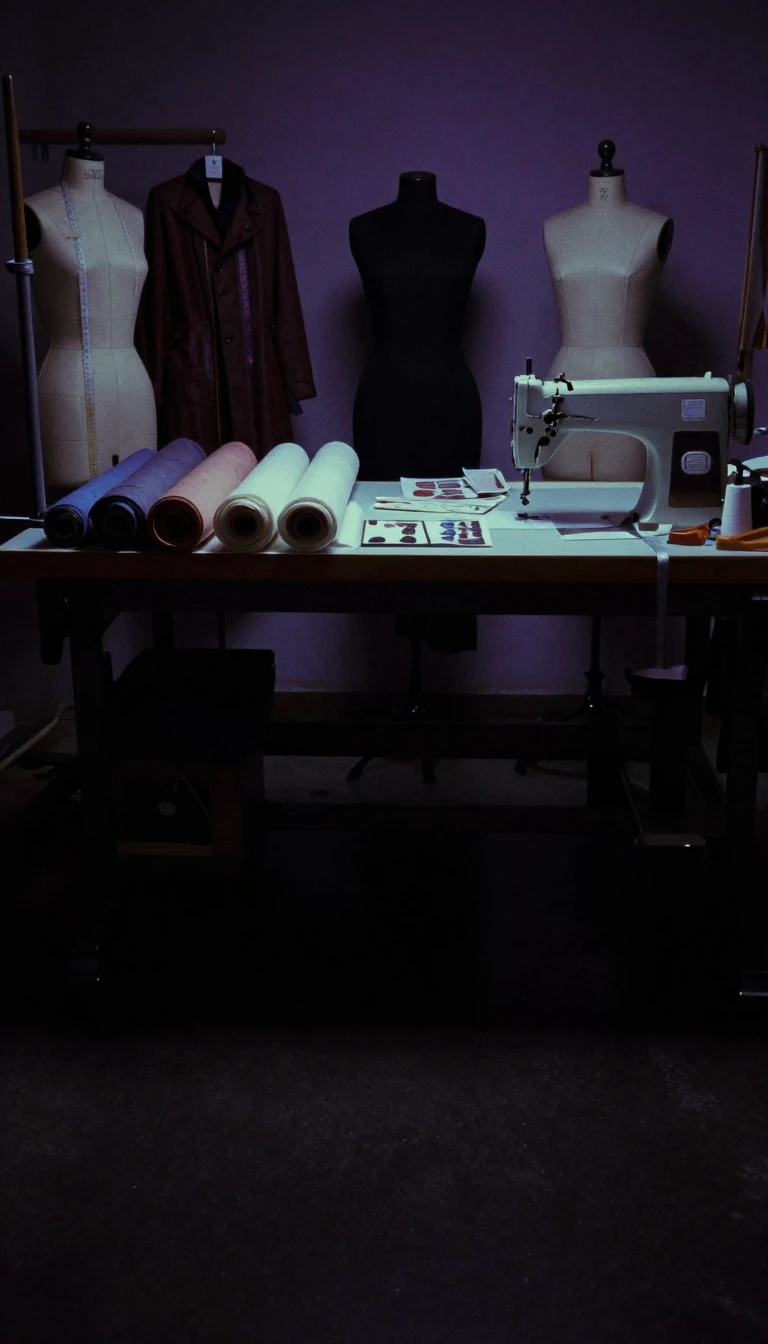
In short: Before it was a piece of furniture, a wardrobe was an entire room dedicated to guarding garments. This evolution from a private chamber to a freestanding cupboard reveals how our relationship with clothing storage has shifted over centuries, influenced by everything from naval timber shortages to colonial luxury trade.
The term wardrobe entered the English language during the early 14th century, derived from Old French roots meaning to keep or guard a garment. Initially, the concept referred to a dedicated space for clothing rather than a physical object. Over time, this function transitioned into freestanding furniture, evolving from basic chests into the complex systems of hanging rods, sliding shelves, and drawers we recognize today. This progression was gradual, moving through various iterations like the clothes-press and the tallboy, which was a dominant layout throughout much of the 18th century.
The development of the wardrobe was often dictated by environmental and economic pressures. In the early 17th century, the American colonies began exporting moveable hanging cupboards to England. This trade was driven by a scarcity of timber in England, where woodlands were either depleted or strictly reserved for the Royal Navy. These early American pieces were frequently crafted from oak, earning them the nickname Oakley. As the 19th century approached, the design became more sophisticated, incorporating mirrors and integrated ironing boards to meet the changing needs of the household.
Beyond utility, certain wardrobes served as potent markers of social standing. The kas, or kasten, was a massive, lockable cupboard of Dutch origin that gained popularity in the Netherlands and the American colonies during the 17th and 18th centuries. These pieces were far more than simple storage; they functioned as status symbols and cherished family heirlooms. Often constructed from premium materials like cherry, rosewood, or ebony, they were frequently adorned with intricate carvings or paintings. Because they were imported luxury goods in the colonies, owning a kasten signaled wealth and connection to European trends, cementing the wardrobe's role as a centerpiece of domestic life and a vessel for a family's most valuable possessions.
Opens the Intellect+ feed with this card first. Swipe up for the next one.
Sources
- Summary by Intellect · source: Wardrobe
To cite this card, link to https://intellectplus.co.uk/app/society-wardrobe.
How we source, check and correct cards: Editorial standards.
General information, not professional advice. Spotted an error? Flag the card or see corrections and complaints.
Intellect Plus is a visual educational discovery platform for exploring fascinating facts and ideas. Brain Food, Not Brain Rot. What is Intellect Plus?
Related
More in Household items · More in Society · Latest · A–Z · All topics
