Are we alone, or is the universe teeming with hidden Earth-like worlds?
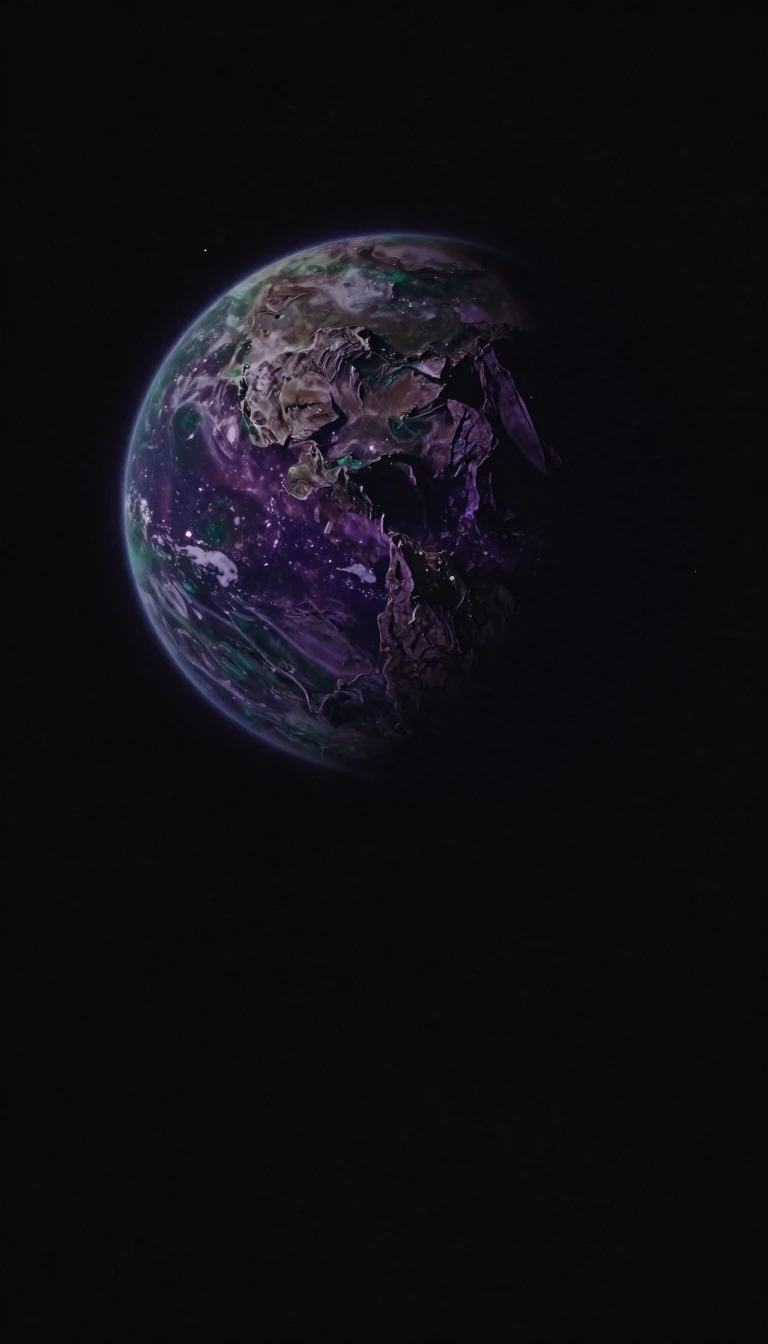
In short: Searching for an Earth analog—a planet or moon with conditions similar to our own—is the holy grail of astrobiology. While we have yet to find a true twin, statistical models suggest the Milky Way could hold billions of terrestrial candidates, leaving us to wonder if Earth is common or unique.
The search for an Earth analog is defined by a tension between two philosophical poles: the mediocrity principle, which posits that Earth-like planets should be common, and the Rare Earth hypothesis, which argues that the specific conditions required for complex life are exceptionally scarce. Because our own solar system lacks a perfect twin, astronomers have turned their gaze toward exoplanets. The definition of an analog remains fluid, often requiring a terrestrial surface, liquid water, and a stable orbit within a star's habitable zone, though scientists debate whether a solar analog star is strictly necessary.
Data from the Kepler space mission has revolutionized these estimates. In 2013, researchers suggested there could be 40 billion Earth-sized planets in the habitable zones of stars within the Milky Way. Other studies provide varying projections; for instance, a 2011 NASA Jet Propulsion Laboratory analysis estimated that up to 2.7% of Sun-like stars host Earth-sized planets in their habitable zones. If these figures hold across the 50 billion galaxies in the observable universe, the potential number of Earth-like worlds reaches into the hundreds of quintillions.
However, identifying these candidates is fraught with uncertainty. Size and mass—often categorized as 0.5 to 2.0 Earth radii—are only proxies for habitability. Factors like atmospheric composition, magnetic fields, and the presence of a moon like ours complicate the picture. Even our closest neighbors have misled us: Mars and Venus were once widely believed to harbor civilizations or oceans, only for space probes to reveal them as harsh, barren, or scorching environments. Today, the search continues with advanced tools like the James Webb Space Telescope, which detected the Earth-like exoplanet LHS 475 b in 2023, forcing us to reconcile our desire for a cosmic mirror with the vast, often alien reality of the cosmos.
Opens the Intellect+ feed with this card first. Swipe up for the next one.
Sources
- Summary by Intellect · source: Earth analog
To cite this card, link to https://intellectplus.co.uk/app/space-earth-analog.
How we source, check and correct cards: Editorial standards.
General information, not professional advice. Spotted an error? Flag the card or see corrections and complaints.
Intellect Plus is a visual educational discovery platform for exploring fascinating facts and ideas. Brain Food, Not Brain Rot. What is Intellect Plus?
Related
More in Planetary science · More in Space · Latest · A–Z · All topics
