Why infrared telescopes are the only way to see the universe's hidden history
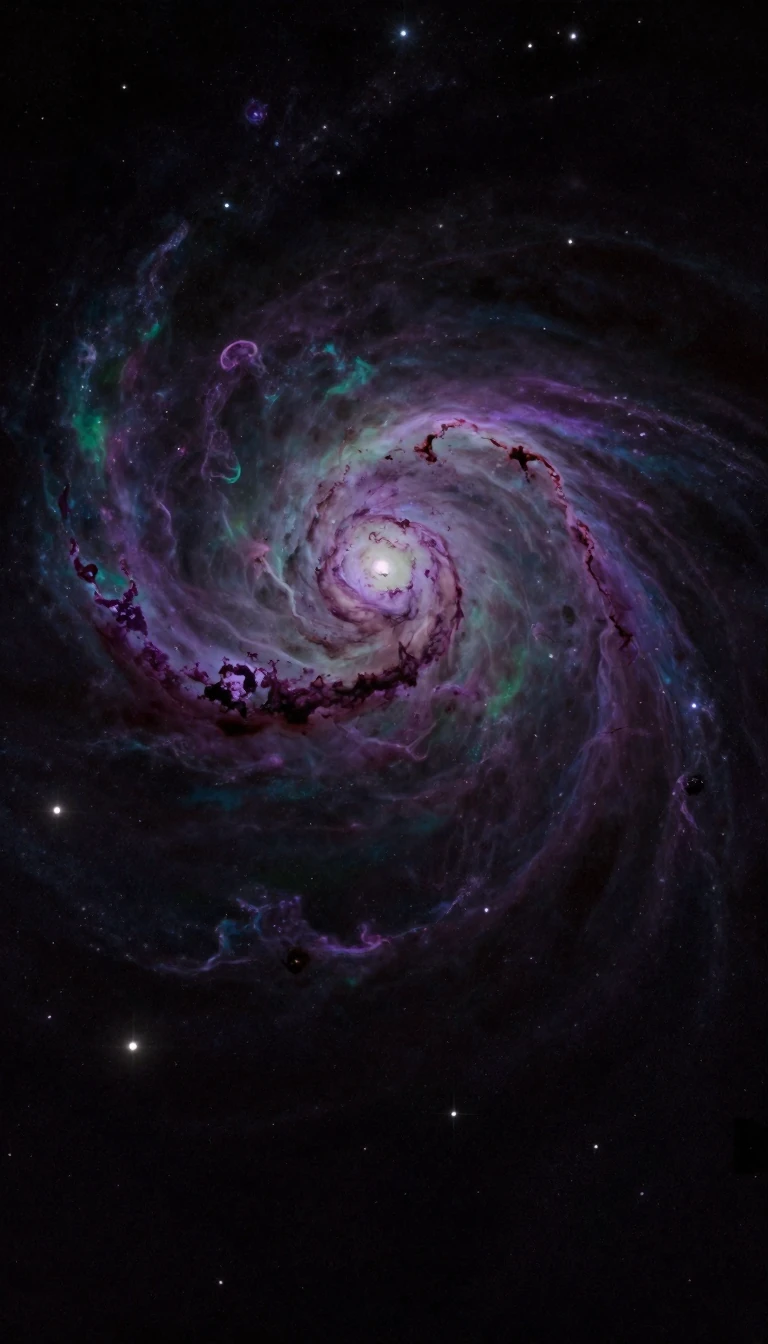
In short: Visible light is easily blocked by cosmic dust, hiding the birth of stars and the dawn of time. Infrared telescopes pierce through these opaque clouds, revealing the heat of young planets and the stretched, ancient light of the first galaxies, effectively turning the universe's darkness into a clear, observable map.
Infrared astronomy began in the early 1800s when Sir William Herschel discovered infrared radiation while studying sunlight. By the 1920s, astronomers like W.W. Coblentz, Edison Pettit, and Seth B. Nicholson conducted the first systematic observations of stellar objects. However, ground-based infrared astronomy faces a major hurdle: Earth's atmosphere, specifically water vapour, absorbs much of this radiation. To bypass this, researchers have long sought high-altitude vantage points, using balloons, rockets, and specialized aircraft like the Kuiper Airborne Observatory.
The true revolution arrived with space-based observatories, which eliminate atmospheric interference entirely. The Infrared Astronomical Satellite (IRAS), launched in 1983, provided a transformative look at the cosmos, identifying debris clouds around stars like Vega and Fomalhaut that suggested the existence of planetary systems. Subsequent missions, such as the Infrared Space Observatory and the Spitzer Space Telescope, refined our view, characterizing the atmospheric composition of extrasolar planets and identifying brown dwarfs—objects too small to be stars but too massive to be planets.
Today, the James Webb Space Telescope (JWST) represents the pinnacle of this technology. With a 6.5-metre primary mirror, it captures light that has been stretched by the expansion of the universe—a process known as cosmological redshift. By observing these long wavelengths, astronomers can study the first generations of stars and galaxies, providing critical data on galaxy evolution, dark matter, and the fundamental mysteries of how the universe arrived at its current state.
Infrared telescopes rely on cryogenic cooling to function. Because all objects emit heat, the detection equipment itself can obstruct observations if not kept at extremely low temperatures. Modern instruments use solid-state detectors cooled to these cryogenic levels to ensure that the faint infrared signals from distant nebulae or forming protostars are not drowned out by the telescope's own thermal noise.
Opens the Intellect+ feed with this card first. Swipe up for the next one.
Sources
- Summary by Intellect · source: Infrared telescope | Space Exploration, Light Detection & Imaging | Britannica
- Also: Infrared telescope
To cite this card, link to https://intellectplus.co.uk/app/space-infrared-telescope.
How we source, check and correct cards: Editorial standards.
General information, not professional advice. Spotted an error? Flag the card or see corrections and complaints.
Intellect Plus is a visual educational discovery platform for exploring fascinating facts and ideas. Brain Food, Not Brain Rot. What is Intellect Plus?
Related
More in Astronomical technology · More in Space · Latest · A–Z · All topics
