Improved satellite data reveals a higher frequency of hidden stellar companions
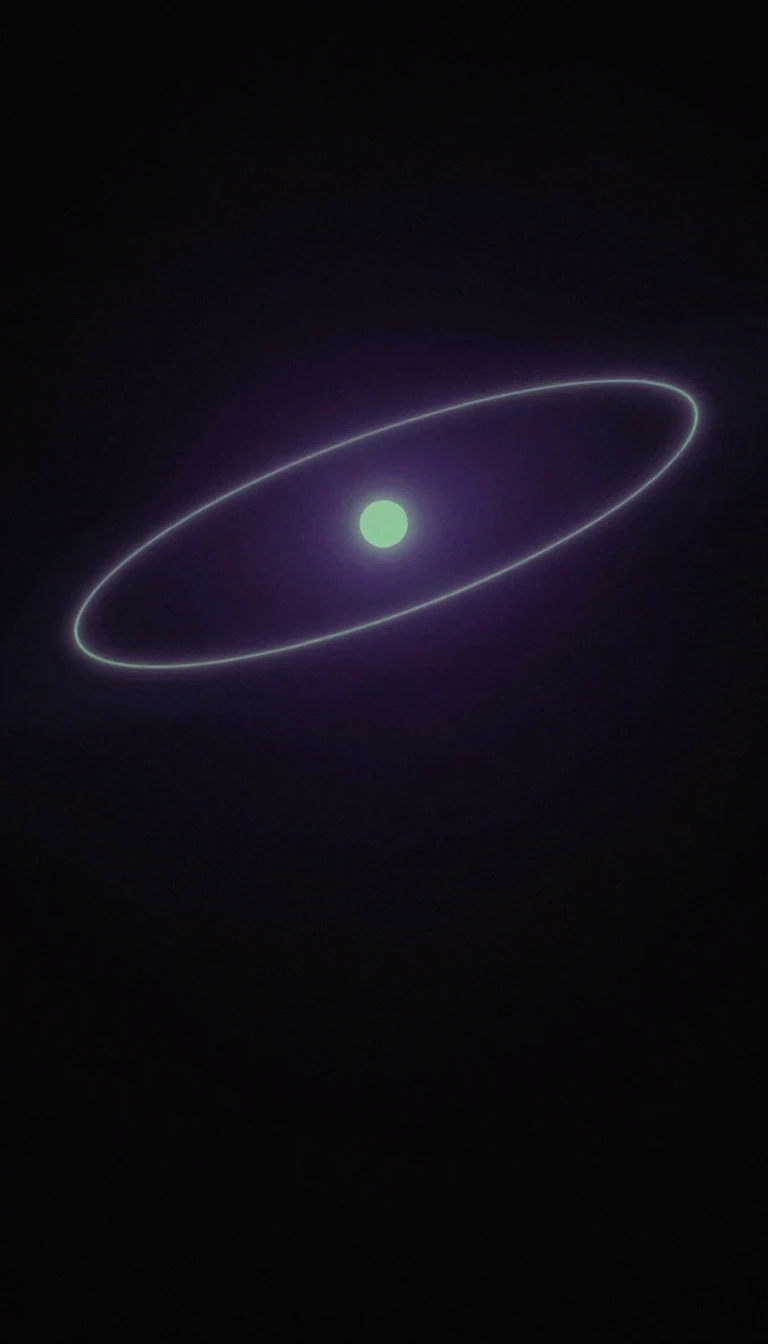
In short: Researchers analyzing data from the Gaia space mission found that a significant portion of stars in our solar neighborhood have hidden companions. By comparing long-term and short-term movement patterns, the team identified thousands of gravitationally bound objects orbiting nearby stars.
The study used proper motion anomalies—differences in how a star moves over different timescales—to detect companions that are often too close to see directly. This method allows astronomers to identify systems ranging from large stars down to the planetary mass regime.
While these results provide a more complete census of stellar multiplicity, the study is primarily based on identifying candidates for further verification rather than providing direct imaging of every companion.
Why it matters: Better space telescope data is helping astronomers map the 'hidden' neighborhood of stars and their orbiting companions.
Opens the Intellect+ feed with this card first. Swipe up for the next one.
Sources
- Source: Research: Kervella et al. (2021). Stellar and substellar companions from Gaia EDR3. Astronomy and Astrophysics. · cc-by
To cite this card, link to https://intellectplus.co.uk/app/space-research-improved-satellite-data-reveals-a-higher-frequency-of-hidden.
How we source, check and correct cards: Editorial standards.
General information, not professional advice. Spotted an error? Flag the card or see corrections and complaints.
Intellect Plus is a visual educational discovery platform for exploring fascinating facts and ideas. Brain Food, Not Brain Rot. What is Intellect Plus?
Related
More in Astronomy · More in Space · Latest · A–Z · All topics
