A day stranded without a toilet changed how Soyuz crews come home
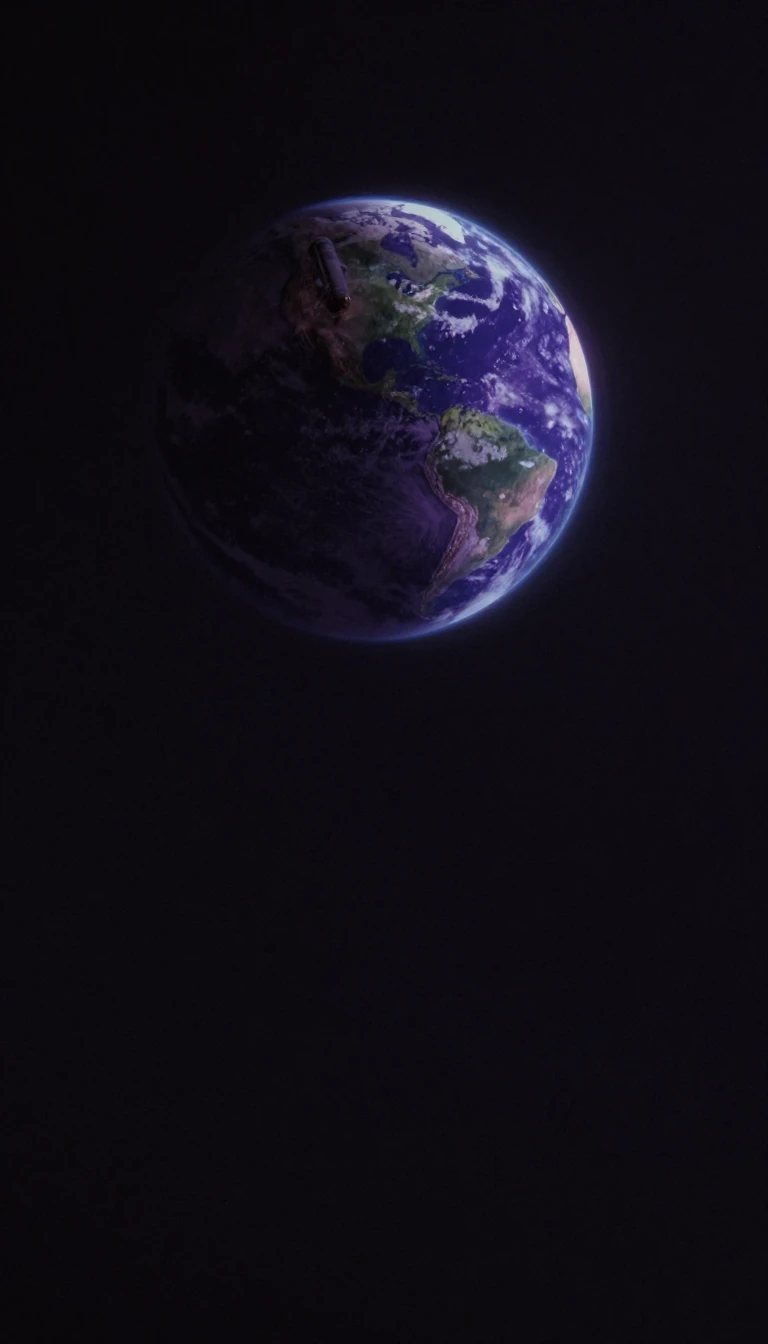
In short: Until the late 1980s, Soyuz crews cast off their orbital module, which held the toilet and the docking collar, before firing the engine to come home. Then in September 1988 the Soyuz TM-5 crew jettisoned it and could not leave orbit for 24 hours. Ever since, the module stays attached until after the return burn.
The ship comes in three parts. At the front is the orbital module, the roomy living area with experiments, cameras, cargo and toilet. In the middle sits the small descent capsule where the crew rides up and back. At the rear, the service module carries engines, power and solar panels. Only the capsule survives reentry, and the orbital section must separate or its bulk would foul the parachutes and overload the landing system. Discarding the other two pieces means less heat shielding to haul, so a Soyuz offers 7.5 cubic metres of habitable space against Apollo's 6.3.
The capsule's shape is a compromise. A sphere, as on Vostok, encloses the most volume but produces no lift, giving a steep, punishing, unsteerable fall. Designers chose a rounded dome joined to a gently tapered cone and heat shield, nicknamed the headlight back when car headlamps were round. Off-centre weight lets it generate a little lift. A parachute sequence and small solid rockets firing about a metre above the ground cushion the touchdown.
Safety has a grim history and a strong record. Vladimir Komarov died on Soyuz 1 in April 1967 when his parachute failed, and the Soyuz 11 crew died when their cabin depressurised during return, the only people known to have died above the edge of space. Yet the escape system, unchanged in essence for 50 years and fired from the ground rather than by the crew, pulled cosmonauts clear of an exploding rocket on the pad in 1983, and in October 2018 part of it rescued the Soyuz MS-10 crew from a booster failure 2 minutes and 45 seconds into flight.
Having flown more than 140 times since the 1960s, Soyuz was the only ride to the space station between the Shuttle's 2011 retirement and Crew Dragon's 2020 debut.
Opens the Intellect+ feed with this card first. Swipe up for the next one.
Sources
- Summary by Intellect · source: Soyuz (spacecraft)
To cite this card, link to https://intellectplus.co.uk/app/space-soyuz-spacecraft.
How we source, check and correct cards: Editorial standards.
General information, not professional advice. Spotted an error? Flag the card or see corrections and complaints.
Intellect Plus is a visual educational discovery platform for exploring fascinating facts and ideas. Brain Food, Not Brain Rot. What is Intellect Plus?
Related
More in Space · More in Space · Latest · A–Z · All topics
