Super-Earths are a diverse class of planets that do not exist in our solar system.
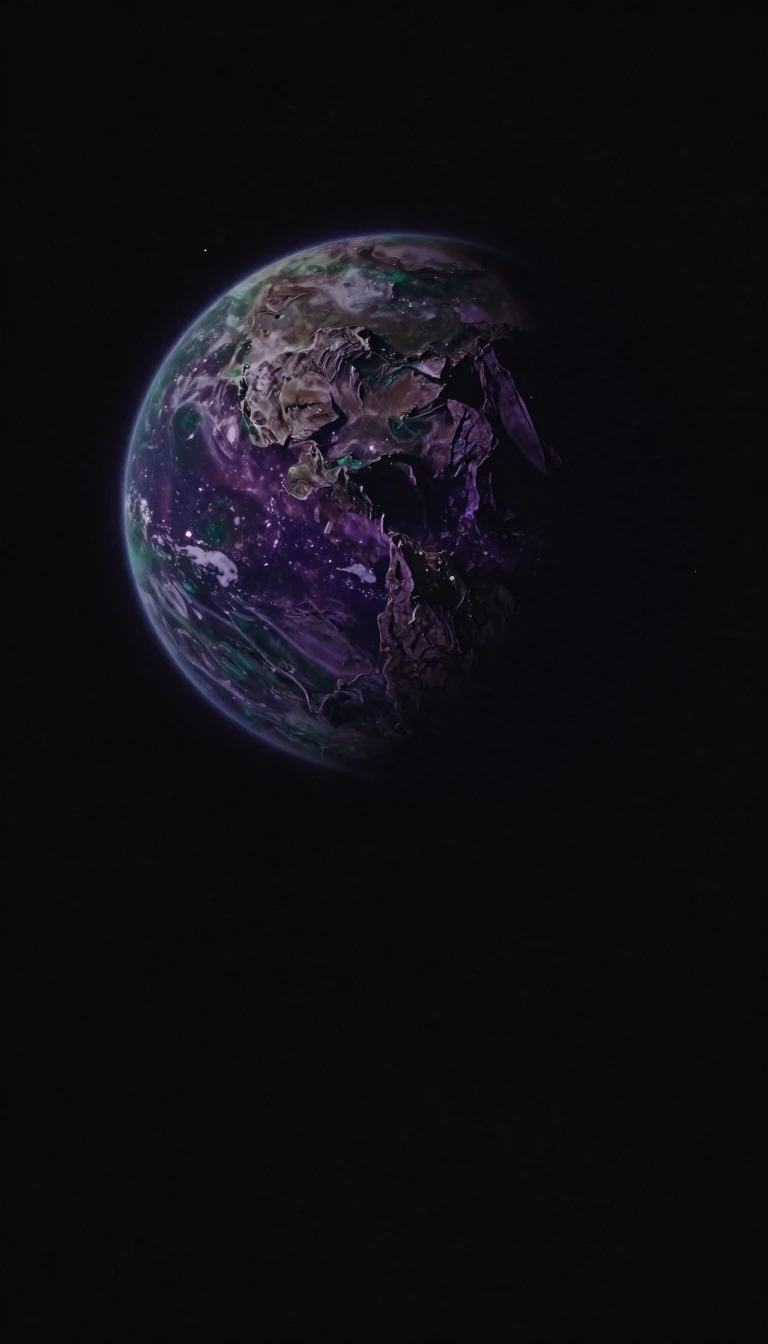
In short: These mysterious worlds are larger than Earth but smaller than Neptune, ranging up to ten times our planet's mass. Because we have no local examples to study, their true nature remains uncertain. They could be rocky, gaseous, or even covered in vast oceans, challenging everything we know about planetary formation.
The term super-Earth is strictly a classification of size and mass, not a description of habitability or surface conditions. Astronomers define these objects as being between two times the size of Earth and ten times its mass. Because they occupy a middle ground between terrestrial worlds and ice giants like Neptune, they represent a category of planet entirely absent from our own neighborhood. This lack of a local analog makes them one of the most intriguing subjects in modern astrophysics.
Within the mass range of three to ten times that of Earth, these planets exhibit a staggering variety of compositions. Some may be rocky, while others are likely mini-Neptunes dominated by dense gases. Observations of 55 Cancri e, a super-Earth located 41 light-years away, highlight the extreme environments these worlds can host. Tidally locked to its star, the planet experiences a temperature difference of 2,340 degrees Fahrenheit between its permanent day and night sides, with evidence suggesting the presence of flowing lava.
The discovery of systems like TOI 270, which features a rocky super-Earth alongside two mini-Neptunes, provides researchers with a laboratory to study how such diverse planets form together. While some super-Earths are too hot to support liquid water, others located in the habitable zones of their stars remain primary targets in the search for life. As telescopes continue to scan the galaxy, the ongoing challenge is to determine at what point these massive worlds transition from solid, rocky surfaces to thick, gaseous atmospheres.
Opens the Intellect+ feed with this card first. Swipe up for the next one.
Sources
- Summary by Intellect · source: What Is a Super-Earth? - NASA Science
- Also: Super-Earth
To cite this card, link to https://intellectplus.co.uk/app/space-super-earth.
How we source, check and correct cards: Editorial standards.
General information, not professional advice. Spotted an error? Flag the card or see corrections and complaints.
Intellect Plus is a visual educational discovery platform for exploring fascinating facts and ideas. Brain Food, Not Brain Rot. What is Intellect Plus?
Related
More in Planetary science · More in Space · Latest · A–Z · All topics
