Sydney 2000: The Olympic benchmark that redefined sporting excellence and economic reality
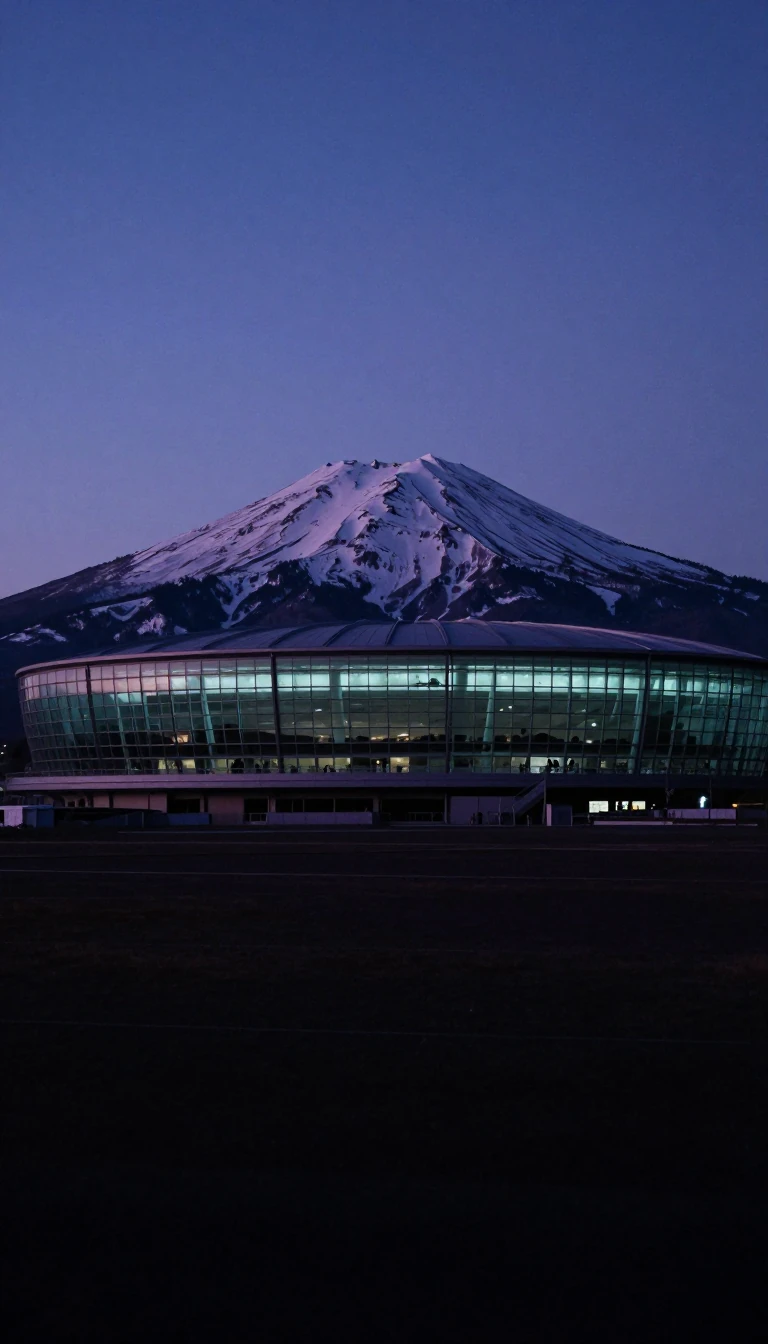
In short: The Sydney 2000 Summer Olympics are widely remembered as a triumph of spirit and organization, setting a gold standard for future host cities. Yet, behind the acclaim of the Games of the New Millennium lies a complex legacy of financial strain, infrastructure challenges, and the harsh realities of hosting mega-events.
Held from 15 September to 1 October 2000, the Sydney Games were the second Summer Olympics hosted in Australia. The event was a massive logistical undertaking, featuring 199 participating nations and over 300 distinct events. International observers and media were effusive in their praise, with many suggesting that the Sydney organizing committee had established an unreachable standard for future hosts. This reputation was so potent that London’s successful bid for the 2012 Games was explicitly inspired by the Australian model, with Lord Coe later describing Sydney as the definitive benchmark for the Olympic spirit.
However, the financial narrative was far more contentious. While the official cost was estimated at A$6.6 billion, subsequent analysis by the Oxford Olympics Study 2016 placed the real-term cost at US$5 billion, noting a 90% cost overrun. The economic impact was equally debated; rather than stimulating growth, the Games redirected public funds from essential services like health and education. Furthermore, the promised long-term economic benefits failed to materialize, as many specialized venues, such as softball compounds and equestrian centers, proved difficult to maintain and lacked utility beyond their immediate Olympic function.
The Games also featured moments of profound human drama and technical error. Cathy Freeman, an Aboriginal athlete, became an icon by lighting the Olympic cauldron and winning the 400-metre final before a record crowd of 112,524. Conversely, the event was marred by a significant technical failure during the opening ceremony and a dangerous equipment error in the gymnastics competition, where a vault was installed five centimeters too low, causing injuries to several athletes. Despite these hurdles, the Games remain a pivotal moment in Olympic history, balancing immense cultural success against the sobering fiscal lessons of hosting the world’s largest multi-sport event.
Opens the Intellect+ feed with this card first. Swipe up for the next one.
Sources
- Summary by Intellect · source: 2000 Summer Olympics
- Also: Wikidata — 2000 Summer Olympics · CC0
- Also: Wikidata — 2000 Summer Olympics medal table · CC0
To cite this card, link to https://intellectplus.co.uk/app/sport-2000-summer-olympics.
How we source, check and correct cards: Editorial standards.
General information, not professional advice. Spotted an error? Flag the card or see corrections and complaints.
Intellect Plus is a visual educational discovery platform for exploring fascinating facts and ideas. Brain Food, Not Brain Rot. What is Intellect Plus?
Related
More in Sports and recreation · More in Sport & Games · Latest · A–Z · All topics
