Brisbane 2032: How Australia is navigating the most complex Olympic planning cycle in history
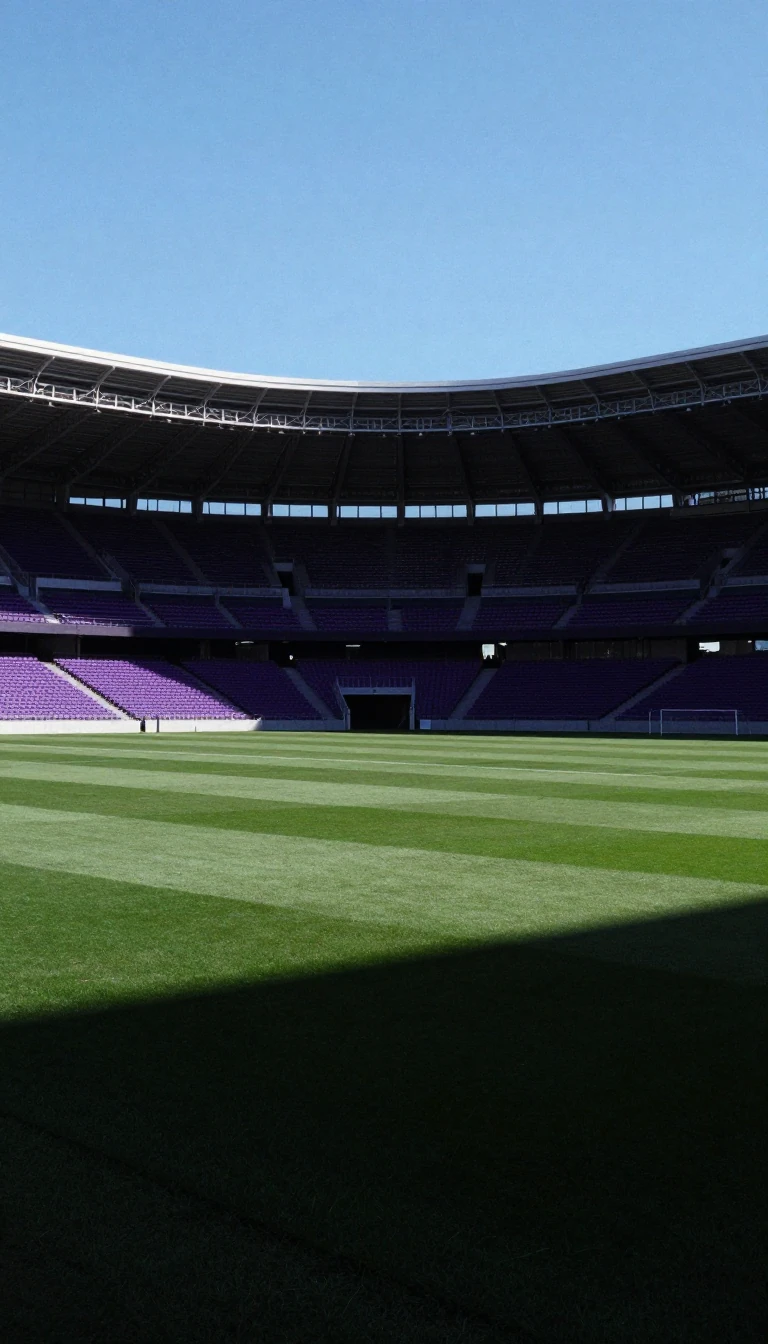
In short: Awarded hosting rights over a decade early, Brisbane 2032 has become a test case for the International Olympic Committee's new, flexible bidding model. From shifting stadium plans to intense debates over infrastructure costs, the journey toward these Games reveals the high-stakes friction between global sporting ambitions and local economic realities.
The 2032 Summer Olympics, or the Games of the XXXV Olympiad, represent a significant departure from traditional Olympic planning. Brisbane was selected via the International Olympic Committee's updated bidding process, which emphasizes continuous dialogue and targeted discussions rather than the rigid, seven-year lead time previously required. By securing the bid in July 2021, Brisbane gained an unprecedented 11-year window to prepare, though this extended timeline has invited years of political scrutiny and evolving infrastructure strategies.
The path to 2032 has been marked by significant volatility regarding venue construction. Initial plans to rebuild the historic Gabba stadium faced immense public and political pushback due to ballooning costs, which climbed from an estimated $1 billion to $2.7 billion by early 2023. Following a series of reviews and changes in state leadership, the government ultimately committed to a new 63,000-seat stadium at Victoria Park. This decision, estimated to cost AU$3.8 billion, reflects a broader tension between delivering a world-class event and managing the cost-of-living pressures facing Queensland residents.
Beyond the stadiums, the Games are integrated into a massive regional infrastructure overhaul. Projects like the Cross River Rail, a $17 billion underground rail line, and the Brisbane Metro bus rapid transit system are designed to serve the city well beyond the closing ceremony. Meanwhile, the sporting program remains in flux; while core sports are guaranteed, the organizing committee is currently evaluating various optional sports—including cricket, flag football, and netball—to maximize local engagement. With the final program set for 2026, the Games aim to balance international prestige with a lasting, functional legacy for the host region.
Opens the Intellect+ feed with this card first. Swipe up for the next one.
Sources
- Summary by Intellect · source: 2032 Summer Olympics
- Also: Wikidata — 2032 Summer Olympics · CC0
To cite this card, link to https://intellectplus.co.uk/app/sport-2032-summer-olympics.
How we source, check and correct cards: Editorial standards.
General information, not professional advice. Spotted an error? Flag the card or see corrections and complaints.
Intellect Plus is a visual educational discovery platform for exploring fascinating facts and ideas. Brain Food, Not Brain Rot. What is Intellect Plus?
Related
More in Sports and recreation · More in Sport & Games · Latest · A–Z · All topics
