The 2012 Formula One season was the most unpredictable and record-breaking year in history.
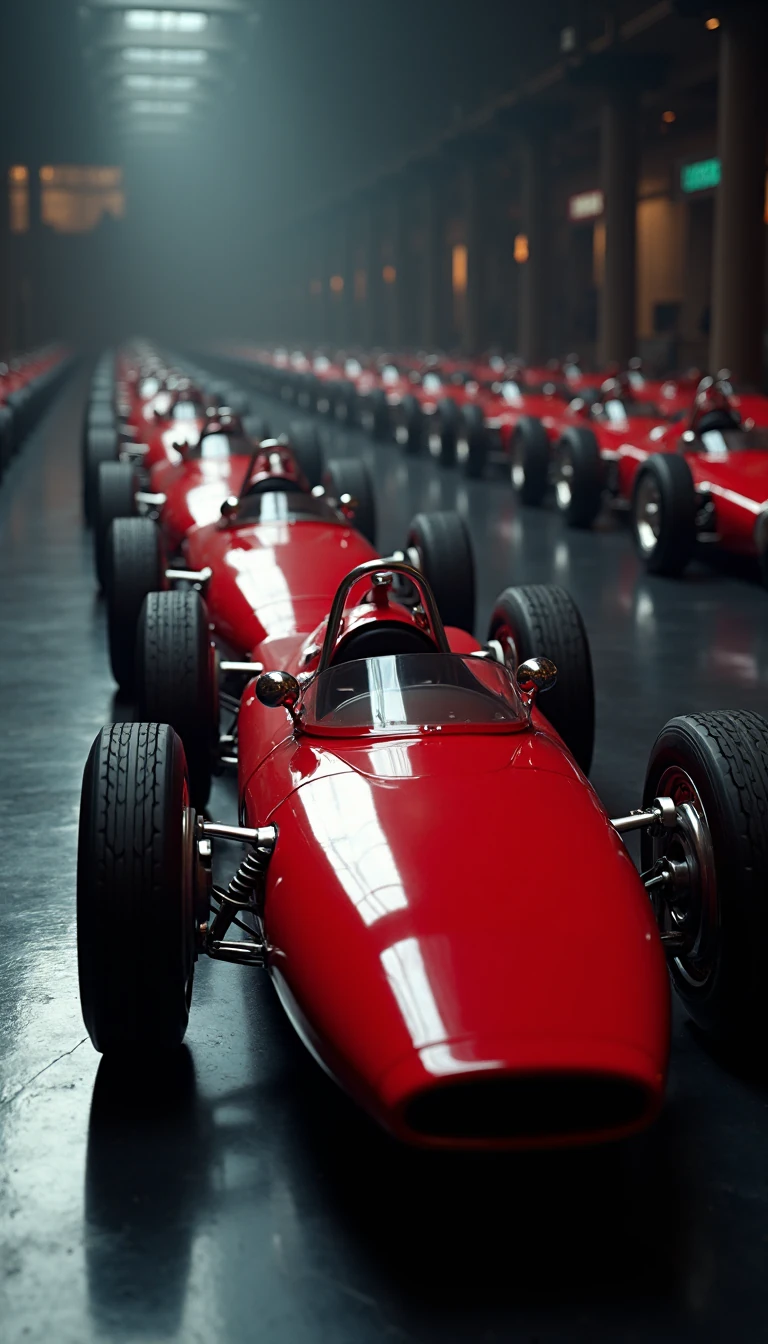
In short: Seven different winners in the first seven races set a new standard for parity in Formula One. The 2012 championship was a high-stakes tactical war, defined by aggressive technical rule changes, a return to in-season testing, and a dramatic final-race showdown between two two-time world champions.
The 2012 season was marked by intense technical scrutiny as the FIA moved to eliminate aerodynamic loopholes. The most significant changes targeted 'blown diffusers'—a system that used exhaust gases to increase downforce. After a series of incremental bans and software restrictions, the FIA eventually forced teams to redesign exhaust tailpipes to exit higher up, away from the diffuser. Simultaneously, the governing body banned 'reactive ride-height' systems, which had been designed to stabilize cars during braking, and outlawed 'trick brake' ducts that used heat-sensitive strips to adjust airflow. These regulations, combined with a new requirement for cars to pass rigorous crash tests before winter testing, forced a massive technical reset across the grid.
The sporting landscape was equally volatile. The calendar expanded to twenty rounds, including the return of the United States Grand Prix in Austin and the Bahrain Grand Prix. Off-track, the sport saw a wave of corporate restructuring and rebranding. Teams like Lotus, Caterham, and Marussia navigated complex ownership disputes and naming rights, while Monisha Kaltenborn made history as the first female team principal. Driver lineups shifted significantly, with legends like Kimi Räikkönen returning to the sport and Rubens Barrichello departing after a record-breaking nineteen seasons.
The championship battle itself was a masterclass in attrition. Fernando Alonso led the standings for much of the season, but mechanical failures and first-lap retirements allowed Sebastian Vettel to close the gap. Entering the final race in Brazil, Vettel held a thirteen-point lead. In a chaotic, rain-affected race that finished under a safety car, Vettel secured a sixth-place finish, clinching his third consecutive World Drivers' Championship. This victory cemented his place in history, making him only the third driver to achieve three consecutive titles in the sport's sixty-three-year existence, while Red Bull Racing simultaneously secured their third straight Constructors' title.
Opens the Intellect+ feed with this card first. Swipe up for the next one.
Sources
- Summary by Intellect · source: 2012 Formula One World Championship
To cite this card, link to https://intellectplus.co.uk/app/sport-2012-formula-one-world-championship.
How we source, check and correct cards: Editorial standards.
General information, not professional advice. Spotted an error? Flag the card or see corrections and complaints.
Intellect Plus is a visual educational discovery platform for exploring fascinating facts and ideas. Brain Food, Not Brain Rot. What is Intellect Plus?
Related
More in Motorsport · More in Sport & Games · Latest · A–Z · All topics
