Why the Belgian Grand Prix is the most feared and unpredictable race in history
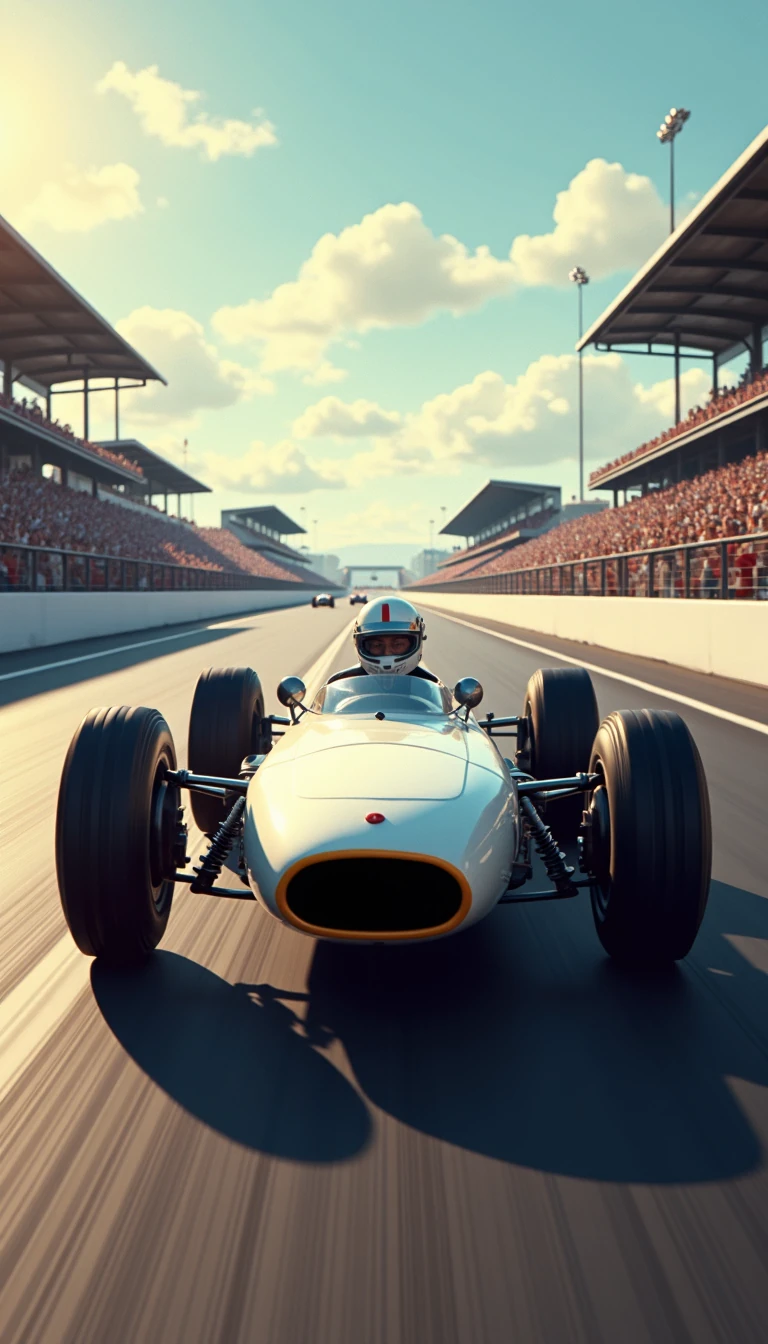
In short: The Belgian Grand Prix is legendary for its extreme, high-speed circuit and weather that can drench one corner while leaving another bone-dry. From the terrifying, safety-free era of the 1960s to modern-day controversies, this race remains a brutal test of nerve that has defined the careers of motorsport's greatest drivers.
The Belgian Grand Prix has roots dating back to 1925, when the first race was held at the high-speed Spa-Francorchamps circuit in the Ardennes region. The track quickly gained a reputation for being unforgiving and fearsome. In the 1950s and 1960s, the lack of safety features—such as roll bars, seatbelts, or crash-tested chassis—meant that drivers faced immense danger. The circuit's long, fast layout, combined with unpredictable weather, often led to catastrophic accidents. By 1969, safety concerns reached a breaking point when Jackie Stewart, representing the Grand Prix Drivers' Association, demanded major improvements. When track owners refused to fund these upgrades, the race was cancelled, marking the beginning of a turbulent period for the event.
The race eventually moved to Zolder, a circuit that hosted the Grand Prix for much of the 1970s and early 1980s. This era was marked by logistical and safety failures, most notably the 1981 meeting, which saw a mechanic struck by a car on the grid and a drivers' strike. The tragic death of Gilles Villeneuve during practice in 1982 further underscored the dangers of the era. Meanwhile, the original Spa-Francorchamps circuit underwent a significant transformation; it was shortened to 4.3 miles in 1979, removing the most dangerous urban sections and creating a modern layout that quickly regained its status as a favorite among drivers and fans.
Modern iterations of the race have faced their own unique challenges, ranging from track surface failures in 1985 to complex regulatory disputes. The 2021 Belgian Grand Prix holds the record for the shortest race in Formula One history, consisting of only two laps behind a safety car due to torrential rain. This event sparked significant controversy regarding the awarding of points, leading to a permanent change in how shortened races are scored. Despite these hurdles, the race remains a cornerstone of the Formula One calendar, continuing to test drivers on one of the most challenging circuits in the world.
Opens the Intellect+ feed with this card first. Swipe up for the next one.
Sources
- Summary by Intellect · source: Belgian Grand Prix
- Also: Wikidata — Belgian Grand Prix · CC0
- Also: Wikidata — 2017 Belgian Grand Prix · CC0
To cite this card, link to https://intellectplus.co.uk/app/sport-belgian-grand-prix.
How we source, check and correct cards: Editorial standards.
General information, not professional advice. Spotted an error? Flag the card or see corrections and complaints.
Intellect Plus is a visual educational discovery platform for exploring fascinating facts and ideas. Brain Food, Not Brain Rot. What is Intellect Plus?
Related
More in Motorsport · More in Sport & Games · Latest · A–Z · All topics
