How BMW built a race-bred superbike that redefined the limits of production performance
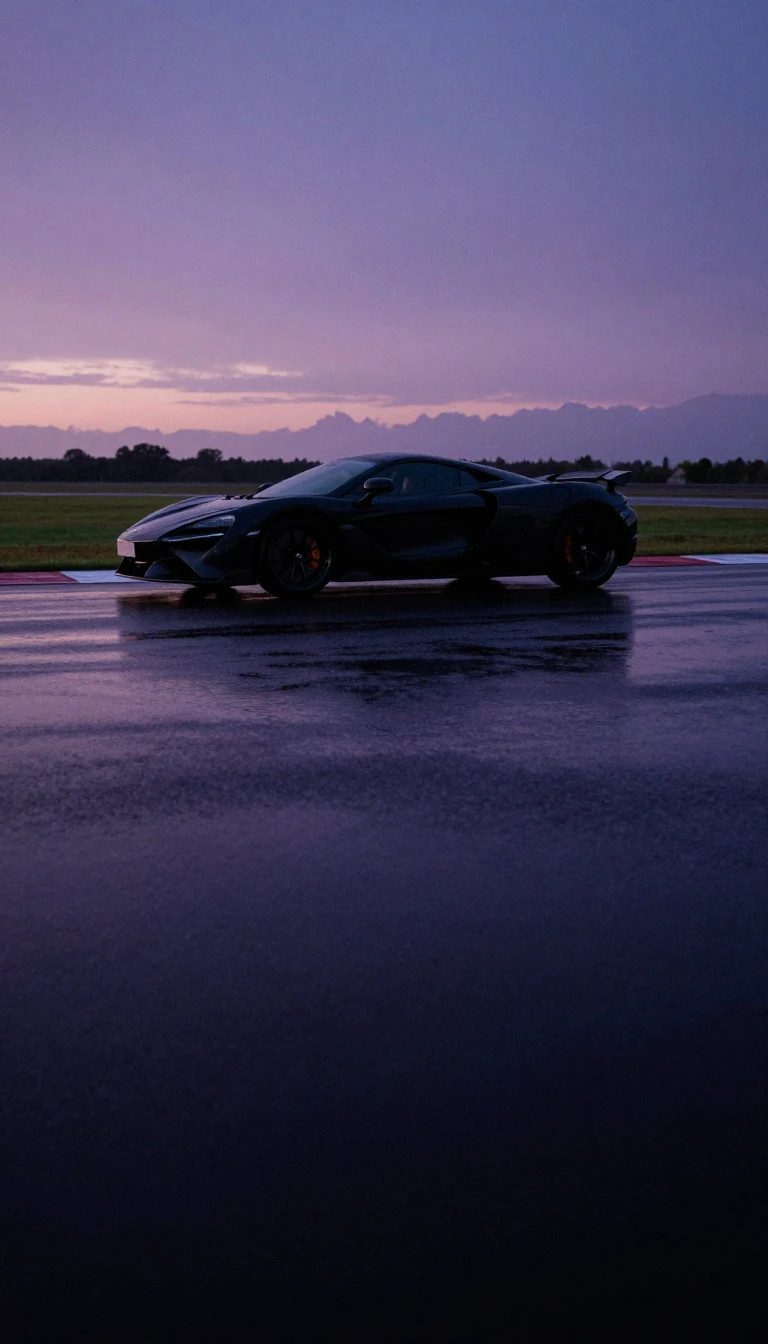
In short: Introduced in 2008 to conquer the Superbike World Championship, the BMW S1000RR evolved from a homologation necessity into a dominant force on both track and road. With its advanced electronics and high-revving inline-four engine, it shattered class standards, proving that a showroom motorcycle could rival purpose-built racing machines.
The S1000RR project began with a specific mission: to meet the 1,000-unit production requirement for the 2009 Superbike World Championship. When it launched, the bike was a technological outlier, featuring standard anti-lock braking and dynamic traction control—a first for a production superbike. Its 998 cc engine, redlined at 14,200 rpm, was engineered to push the boundaries of the 1000 cc category, boasting the largest bore in its class at 80.0 mm.
Over the years, BMW refined the platform through iterative updates. The 2012 model addressed throttle response and chassis geometry, while the 2013 HP4 variant introduced semi-active suspension via Dynamic Damping Control, which adjusted settings every 11 milliseconds. By 2015, the bike had shed 4 kg and gained power, incorporating advanced rider aids like clutchless up-and-down shifting and lean-angle sensors. The 2019 model marked a significant leap with the introduction of ShiftCam technology, which uses an ECU-controlled motor to switch between cam profiles in under 10 milliseconds, ensuring a linear torque curve.
The machine's pedigree is cemented by its performance in the world's most grueling events. In 2014, Michael Dunlop ended a 75-year BMW drought at the Isle of Man TT, eventually setting an absolute solo-machine course record in 2016. Beyond the track, the bike became a cultural phenomenon, notably through a viral 2010 marketing campaign that claimed to replicate a tablecloth-pulling trick, which later became the subject of a MythBusters investigation into the physics of acceleration.
While the production model remains a benchmark for road-legal speed, the factory race bike highlights the stark divide between showroom and circuit. The race version features a higher compression ratio and a wet weight of just 162 kg—significantly lighter than the 207.7 kg production variant of its era. Today, the S1000RR continues to evolve, with the M1000RR variant pushing the limits of aerodynamics and track-focused engineering.
Opens the Intellect+ feed with this card first. Swipe up for the next one.
Sources
- Summary by Intellect · source: BMW S1000RR
- Also: Wikidata — BMW S1000RR · CC0
To cite this card, link to https://intellectplus.co.uk/app/sport-bmw-s1000rr.
How we source, check and correct cards: Editorial standards.
General information, not professional advice. Spotted an error? Flag the card or see corrections and complaints.
Intellect Plus is a visual educational discovery platform for exploring fascinating facts and ideas. Brain Food, Not Brain Rot. What is Intellect Plus?
Related
More in Motorsport · More in Sport & Games · Latest · A–Z · All topics
