From Industrial Tannery to Modern Hub: The Remarkable Evolution of Bermondsey
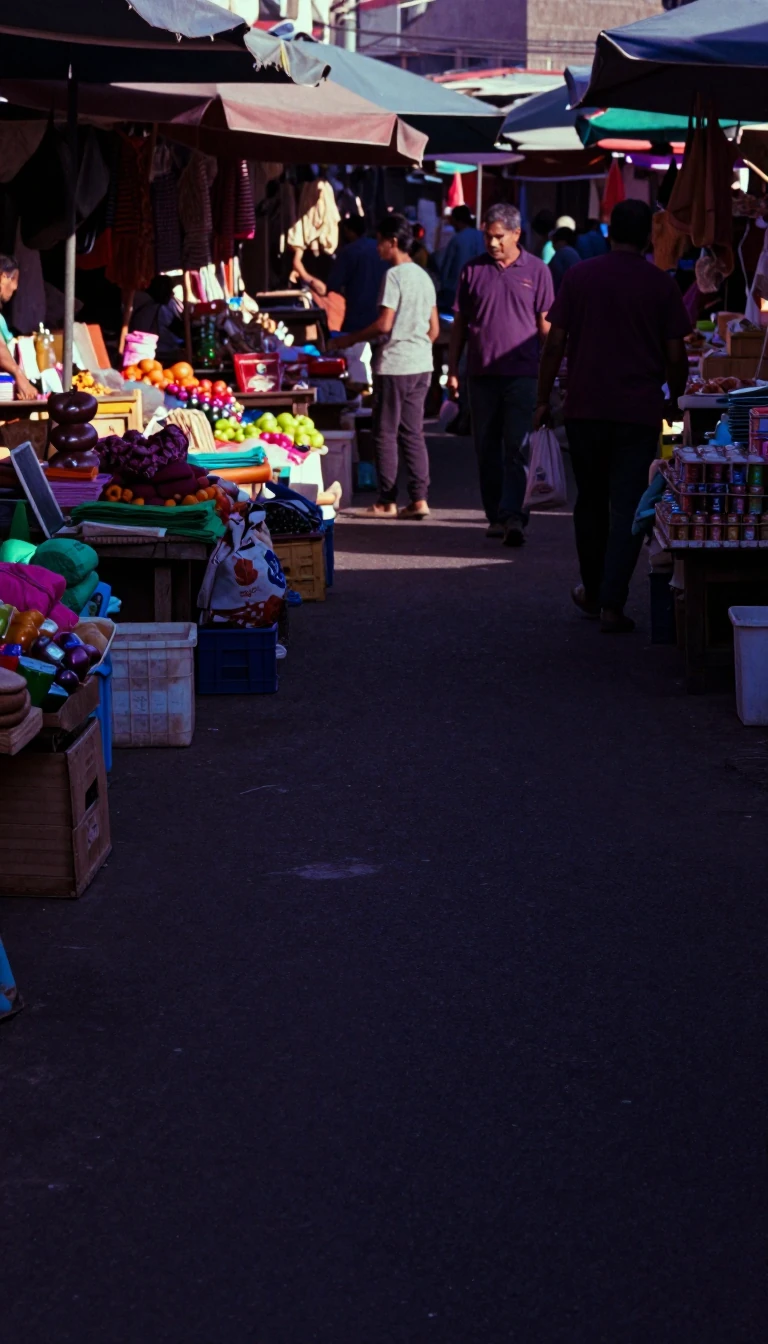
In short: Once known as the larder of London and a centre for leather, Bermondsey has transformed from a marshy riverside settlement into a high-end residential district. From its origins as a Cluniac priory to the notorious slums of Jacob's Island, this southeast London area holds a complex, layered history of survival.
Bermondsey, situated 2.5 miles southeast of Charing Cross, likely derives its name from the Old English for Beornmund's island or a dry spot in a marshy landscape. Its recorded history begins in the Domesday Book of 1086, where it was held by King William and featured a handsome church. This church was the precursor to Bermondsey Abbey, a Cluniac priory founded in 1082 that played a pivotal role in embanking the riverside and developing the local area.
During the Industrial Revolution, the district became a powerhouse of manufacturing, earning nicknames like the land of leather and biscuit town. The leather trade dominated the area, supported by a royal charter granted by Queen Anne in 1703. Meanwhile, the riverside became notorious for poverty; Jacob's Island, near St. Saviour's Dock, was immortalized by Charles Dickens in Oliver Twist as a site of extreme squalor. The area's industrial character was further defined by landmark factories like the Alaska Factory and Peek, Frean and Co, the latter of which operated until 1989.
The 20th century brought significant upheaval, including severe damage during the Blitz in 1941 and the decline of river trade in the 1960s. However, the 1980s saw a major turning point as the London Docklands Development Corporation oversaw the redevelopment of derelict wharves into luxury residences. Today, Bermondsey is a blend of preserved industrial heritage, such as the 1690 St Mary Magdalen Church, and modern infrastructure like the Jubilee Line station opened in 2000. While Millwall Football Club is often associated with the area due to its proximity to South Bermondsey station, the club has never actually been based within Bermondsey itself.
Politically, the area has seen dramatic shifts, most notably the 1983 by-election where Simon Hughes achieved a 44% swing, the largest in British history. From its medieval roots as a monastic site to its current status as an upmarket London district, Bermondsey remains a testament to the city's capacity for constant, radical reinvention.
Opens the Intellect+ feed with this card first. Swipe up for the next one.
Sources
- Summary by Intellect · source: Bermondsey
- Also: Wikidata — Bermondsey · CC0
To cite this card, link to https://intellectplus.co.uk/app/sport-bermondsey.
How we source, check and correct cards: Editorial standards.
General information, not professional advice. Spotted an error? Flag the card or see corrections and complaints.
Intellect Plus is a visual educational discovery platform for exploring fascinating facts and ideas. Brain Food, Not Brain Rot. What is Intellect Plus?
Related
More in Cricket · More in Sport & Games · Latest · A–Z · All topics
