The 'Lady in Black' is a masterpiece of intentional asymmetry
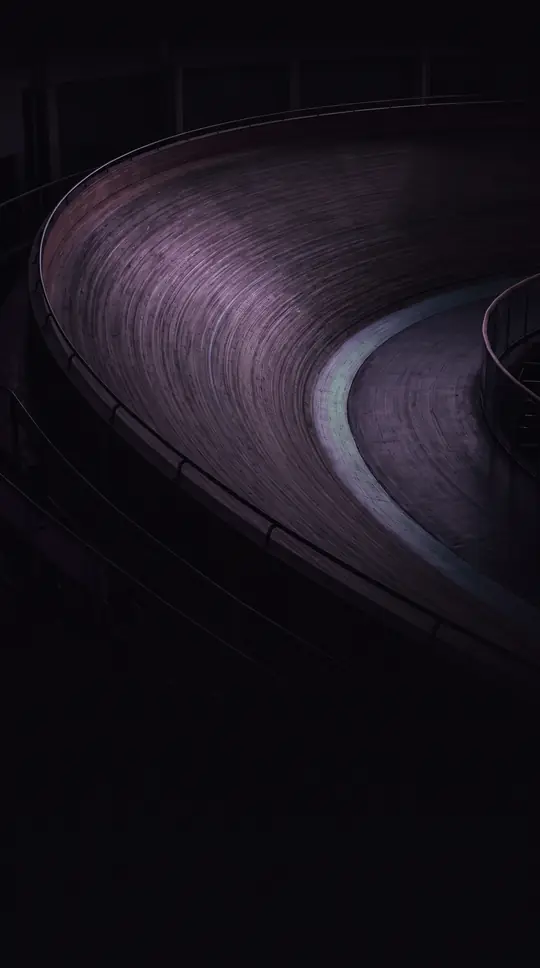
In short: Darlington Raceway is often called the toughest track on the NASCAR schedule. Its secret lies in a deliberate, lopsided design that forces drivers to choose which turns to master and which to sacrifice, all while battling a surface so abrasive it leaves a permanent mark on the machinery.
The track's unique difficulty stems from its asymmetrical layout. While the first two turns feature a wider radius, the last two turns are tighter. This geometry, combined with varying banking—25° in the first two turns and 23° in the last two—forces teams into a technical compromise. Because the preferred racing line runs near the wall, drivers must often sacrifice performance in one set of turns to maintain speed in the other. This mechanical tension is heightened by an unusually abrasive track surface that tests the limits of the vehicles.
The venue's history is marked by significant structural and social evolution. Opened in 1950 by Harold Brasington, the track was initially mocked as 'Harold's Folly' by locals. Under subsequent leadership by Bob Colvin, the facility saw massive expansion, including the extension of 'south turn' banking to 26 feet in 1953. However, Colvin's tenure was also defined by deep-seated segregation; he famously barred Black spectators from grandstands and refused to let Black drivers race, even offering them refunds to stay in the infield.
Modern Darlington is a product of constant reconfiguration. The turn numbering was reversed during 1997 when officials moved the start-finish line between the backstretch and frontstretch. The track has also navigated complex legal and commercial shifts, such as the 2004 Ferko lawsuit, which briefly stripped the venue of its traditional fall race date. Today, owned by NASCAR, it remains a 'Crown Jewel' of the sport, hosting the prestigious Southern 500 and the Goodyear 400.
The track's physical footprint has shifted significantly over 70 years. From an initial seating capacity of approximately 10,000 in 1950, it peaked at a recorded 62,000 in 2006 before renovations reduced it to 47,000 by 2018. These changes reflect a transition from a regional speedway to a high-tech national staple, balancing historical prestige with modern safety requirements like the SAFER barriers added in 2015.
Opens the Intellect+ feed with this card first. Swipe up for the next one.
Sources
- Summary by Intellect · source: Darlington Raceway
- Also: Wikidata — Darlington Raceway · CC0
To cite this card, link to https://intellectplus.co.uk/app/sport-darlington-raceway.
How we source, check and correct cards: Editorial standards.
General information, not professional advice. Spotted an error? Flag the card or see corrections and complaints.
Intellect Plus is a visual educational discovery platform for exploring fascinating facts and ideas. Brain Food, Not Brain Rot. What is Intellect Plus?
Related
More in Motorsport · More in Sport & Games · Latest · A–Z · All topics
