How a Florida swamp became the world's most famous high-speed racing cathedral
In short: Built in 1959 on a 447-acre site, Daytona International Speedway transformed a high water table into a legendary racing venue. By excavating soil for its massive banked turns, engineers accidentally created Lake Lloyd. Today, this facility remains the heart of American motorsport, blending high-speed engineering with a unique fan-centric design.
Conceived by NASCAR founder Bill France Sr. in 1953, the speedway was designed to surpass the limitations of the old Daytona Beach Road Course. France collaborated with engineer Charles Moneypenny, who studied high-speed test tracks in Detroit to master the geometry of banked corners. To achieve the necessary incline, they developed a pioneering method of anchoring paving equipment to bulldozers at the top of the banking. The construction was a financial gamble, requiring France to secure funding through a $600,000 loan from Texas oil millionaire Clint Murchison Sr., a second mortgage on his home, and the sale of 300,000 stock shares.
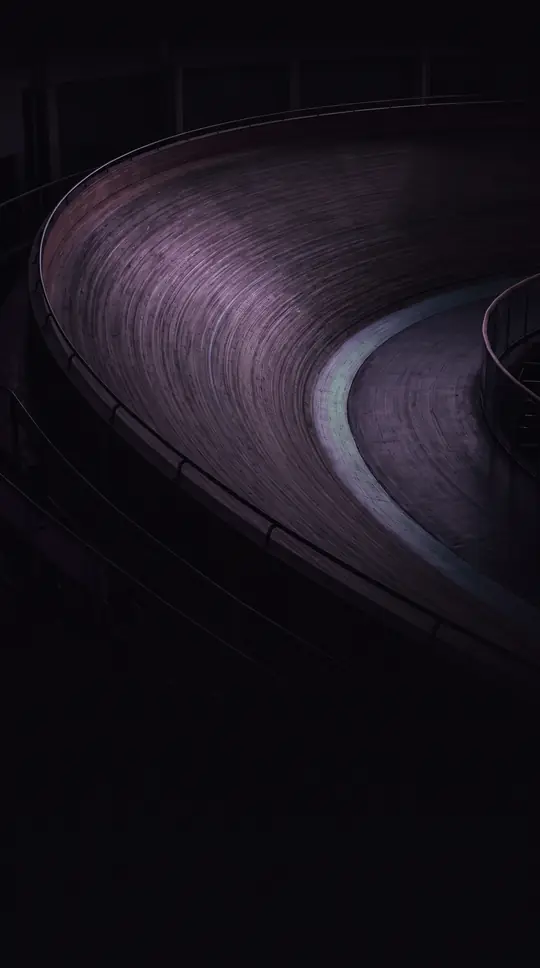
The track's signature 2.5-mile tri-oval features 31-degree banking in the turns, a revolutionary design that significantly improved sight lines for spectators. The massive excavation required to build these banks hit the local water table, resulting in the creation of Lake Lloyd, a 29-acre body of water that has since hosted powerboat racing. The venue has undergone four major renovations, most notably the $400 million 'Daytona Rising' project completed in 2016, which completely redeveloped the frontstretch seating to prioritize the fan experience with expanded entrances and improved amenities.
Beyond its primary function as the home of the Daytona 500, the speedway serves as a versatile hub for diverse racing disciplines, including the Rolex 24 endurance race and AMA Supercross. Its technical evolution has been constant, from the 1998 installation of lighting to the 2010 repaving project that utilized 50,000 tons of asphalt. Despite its prestige, the track has seen 41 fatalities, including the 2001 death of Dale Earnhardt, the venue's most successful driver. Today, the speedway remains a cultural touchstone, immortalized in everything from arcade classics like Sega's Daytona USA to modern racing simulations, cementing its status as the self-proclaimed World Center of Racing.
Opens the Intellect+ feed with this card first. Swipe up for the next one.
Sources
- Summary by Intellect · source: Daytona International Speedway
- Also: Wikidata — Daytona International Speedway Solar · CC0
To cite this card, link to https://intellectplus.co.uk/app/sport-daytona-international-speedway.
How we source, check and correct cards: Editorial standards.
General information, not professional advice. Spotted an error? Flag the card or see corrections and complaints.
Intellect Plus is a visual educational discovery platform for exploring fascinating facts and ideas. Brain Food, Not Brain Rot. What is Intellect Plus?
Related
More in Motorsport · More in Sport & Games · Latest · A–Z · All topics
