From Post-War Scraps to Global Racing: The Evolution of Formula Three
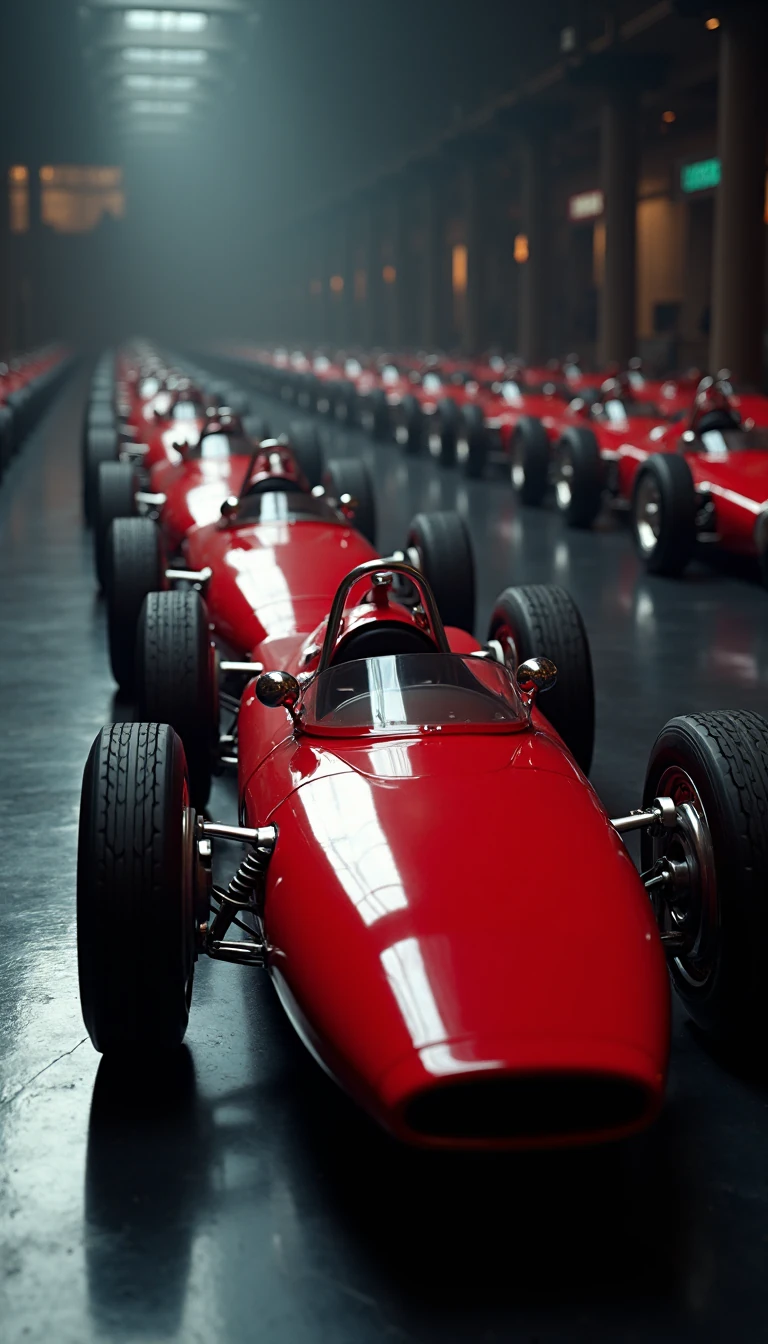
In short: Born from the ingenuity of impecunious enthusiasts in 1946, Formula Three began with lightweight cars powered by 500cc motorcycle engines. Today, it stands as a sophisticated, high-speed training ground for future Formula One stars, defined by remarkable technical stability and a legacy of producing the world's most elite racing drivers.
The origins of Formula Three trace back to post-Second World War Britain, where petrol rationing and limited budgets forced enthusiasts to build accessible, lightweight cars using 500cc motorcycle engines. These early machines, often featuring mid-mounted engines to accommodate chain drives, inadvertently pioneered the mid-engined layout that would eventually dominate single-seater racing. By the 1950s, this class became a primary route for aspiring racers, with legends like Stirling Moss and Bernie Ecclestone honing their skills in the category. Don Parker, who began his career at age 41, remains statistically the most successful driver in the history of the formula, having secured 126 race victories.
As the sport matured, the technical landscape shifted significantly. The 'screamer' era of the 1960s featured highly-tuned one-litre engines, while the 1970s introduced two-litre regulations and a growing focus on aerodynamics. By the 1980s, the formula had evolved into a sophisticated training ground, adopting carbon fibre chassis and ground-effect technology—though the latter was eventually banned to maintain parity. Manufacturers like March, Ralt, and Reynard defined these decades, until the Italian firm Dallara entered the market in the early 1990s. With their F393 chassis, Dallara effectively consolidated the market, becoming the near-ubiquitous standard for the category today.
Modern Formula Three is a global enterprise, culminating in the FIA Formula 3 Championship launched in 2019. Beyond the championships, prestigious non-championship events like the Macau Grand Prix—first won by Ayrton Senna in 1983—serve as a vital showcase for talent. While regional series continue to operate with stock-derived engines, the international level utilizes 3.4-litre, six-cylinder naturally aspirated units. Despite these changes, the category retains a unique stability in its regulations, ensuring it remains the definitive proving ground for drivers aiming to reach the pinnacle of Formula One.
Opens the Intellect+ feed with this card first. Swipe up for the next one.
Sources
- Summary by Intellect · source: Formula Three
- Also: Wikidata — Formula Three · CC0
- Also: Wikidata — Formula Three driver · CC0
To cite this card, link to https://intellectplus.co.uk/app/sport-formula-three.
How we source, check and correct cards: Editorial standards.
General information, not professional advice. Spotted an error? Flag the card or see corrections and complaints.
Intellect Plus is a visual educational discovery platform for exploring fascinating facts and ideas. Brain Food, Not Brain Rot. What is Intellect Plus?
Related
More in Motorsport · More in Sport & Games · Latest · A–Z · All topics
