Formula Two: The high-stakes proving ground for the world's fastest racing drivers
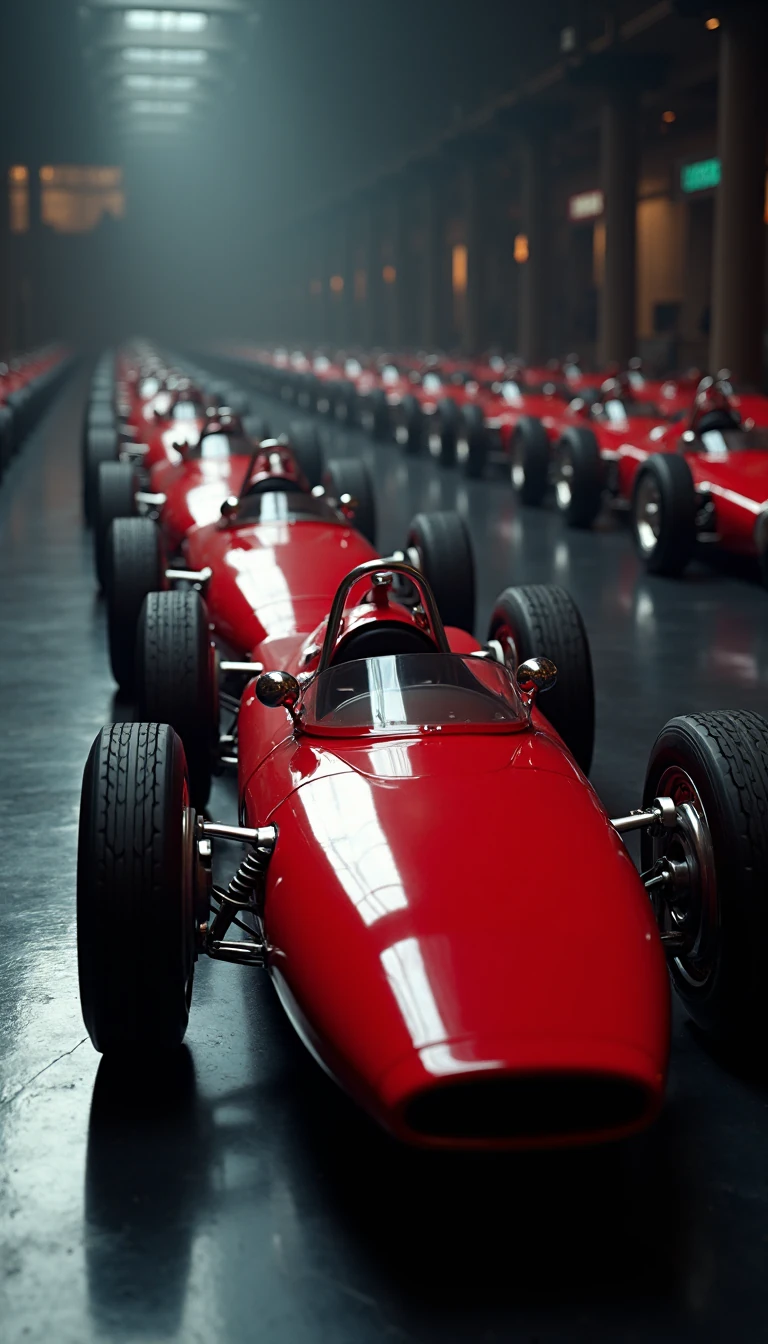
In short: For decades, Formula Two has served as the critical penultimate step on the motorsport ladder. Originally codified in 1948 as a smaller, more affordable alternative to Grand Prix racing, it has evolved through various engine regulations and formats to remain the essential training ground for future Formula One world champions.
The history of Formula Two is defined by its role as a feeder series. In its earliest years, the category was so vital that when Formula One struggled to attract enough entrants in 1952 and 1953, nearly all World Championship Grand Prix races were actually run to Formula Two regulations. The cars were designed to be lighter and more agile, encouraging innovative marques like Cooper to challenge established giants such as Ferrari, Alfa Romeo, and Maserati.
Throughout the 1960s and 1970s, the series became a complex arena where rising stars competed alongside seasoned Formula One veterans. A unique grading system allowed senior drivers to maintain their skills during long breaks between Grand Prix events, while simultaneously preventing them from dominating the championship points. This era saw the rise of legendary drivers like Jack Brabham and Jacky Ickx, though it was also marked by tragedy, with stars like Jim Clark losing their lives in F2 competition.
The modern iteration of Formula Two, established in 2017 by rebranding the GP2 Series, represents a more streamlined approach to the FIA Global Pathway. Unlike the experimental one-make series attempted between 2009 and 2012, the current championship utilizes a standardized Dallara F2 2024 chassis and Mecachrome engines. This structure ensures that performance is tied more closely to driver skill than engineering budget, successfully graduating talents like Charles Leclerc and George Russell to the pinnacle of the sport.
While the series has seen various international adaptations—from Japan's Super Formula roots to Australia's long-standing category—its core purpose remains unchanged. It bridges the gap between junior formulas and the extreme demands of Formula One, providing a rigorous environment where the next generation of racing icons must prove their worth before reaching the sport's highest level.
Opens the Intellect+ feed with this card first. Swipe up for the next one.
Sources
- Summary by Intellect · source: Formula Two
- Also: Wikidata — Formula Two · CC0
- Also: Wikidata — Formula Two driver · CC0
To cite this card, link to https://intellectplus.co.uk/app/sport-formula-two.
How we source, check and correct cards: Editorial standards.
General information, not professional advice. Spotted an error? Flag the card or see corrections and complaints.
Intellect Plus is a visual educational discovery platform for exploring fascinating facts and ideas. Brain Food, Not Brain Rot. What is Intellect Plus?
Related
More in Motorsport · More in Sport & Games · Latest · A–Z · All topics
