Finland's only metro system was born from decades of political scandal and bribery
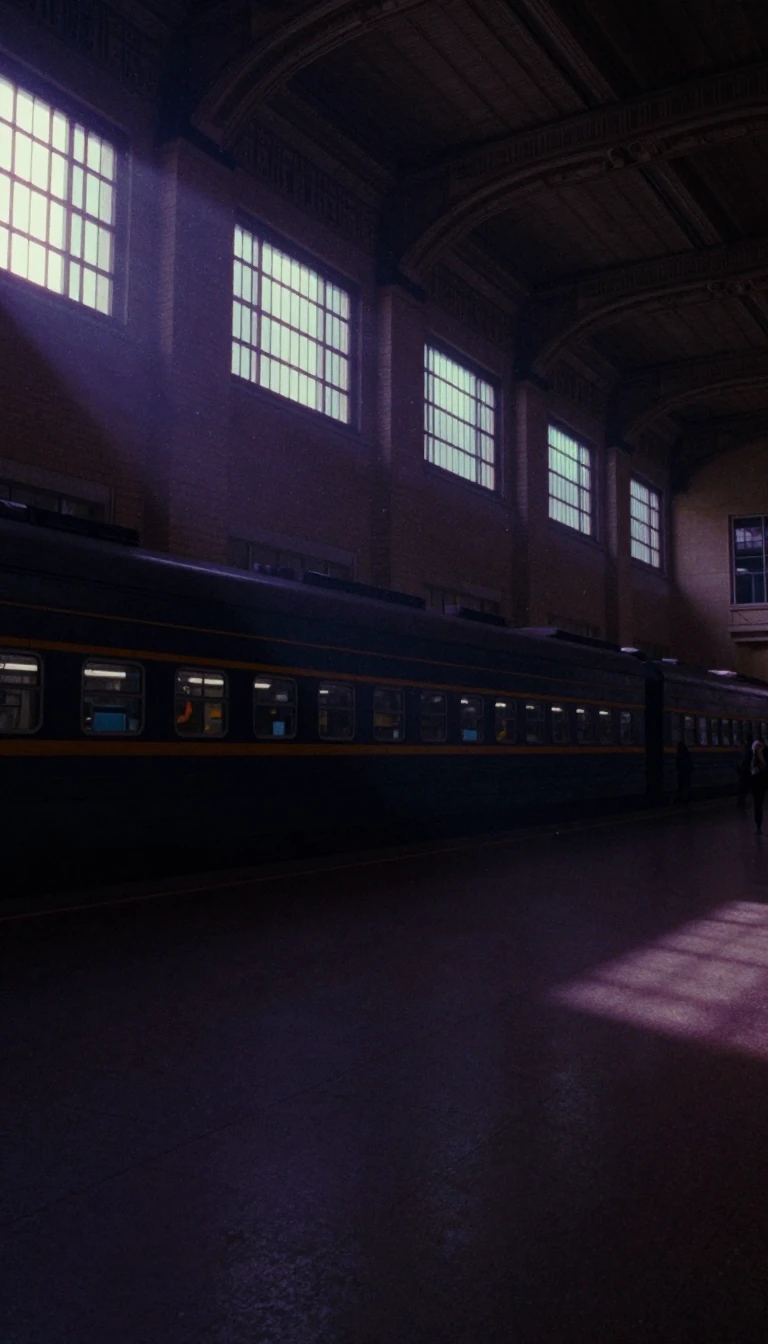
In short: The Helsinki Metro is the world's northernmost rapid transit system, yet its path to completion was anything but straightforward. From secret, unauthorized contracts to a high-profile bribery conviction, the project was mired in controversy for decades. It finally opened in 1982, five years behind schedule and 27 years after planning began.
The idea of a tunneled urban railway for Helsinki surfaced long before construction began. In 1955, a suburban traffic committee led by Reino Castrén was formed to investigate the necessity of such a system. The committee argued that rapid population growth would overwhelm street networks, necessitating an underground solution. However, the proposal faced significant apathy from the city council, and early plans for a light rail network were eventually abandoned in favor of a heavy rail system.
The construction process was defined by questionable governance. In 1976, Mayor Teuvo Aura bypassed the city council to sign a secret 345 million markka agreement with Valmet and Strömberg for rolling stock, fearing the council would otherwise source trains from the Soviet Union. While an investigation into Aura's authority resulted in no charges, the project's lead, Unto Valtanen, was later convicted of taking bribes from Siemens. In 1987, Valtanen was sentenced to nearly two years in prison for accepting 80,000 Deutsche Mark and a motor boat.
Despite the political turbulence, the system achieved significant technical milestones. The M100 train series, introduced in 1977, was the first in the world to utilize induction motors powered by variable-frequency drives. Engineers also overcame geological challenges, such as the 'Kluuvi bruise'—a difficult wedge of clay and rock—by freezing it with Freon 22 to safely excavate tunnels. Today, the system spans 43 km with 30 stations, serving as the core of public transport for the capital region.
The metro's integration into daily life was not immediate. When it opened in 1982, residents of eastern Helsinki protested the loss of direct bus links, with 11,000 people signing a petition for their restoration. Over time, the network expanded significantly, reaching Espoo in 2017 and Kivenlahti in 2022. The stations, designed to double as bomb shelters, remain a vital, if historically contentious, piece of Finnish infrastructure.
Opens the Intellect+ feed with this card first. Swipe up for the next one.
Sources
- Summary by Intellect · source: Helsinki Metro
- Also: Wikidata — Helsinki Metro · CC0
To cite this card, link to https://intellectplus.co.uk/app/sport-helsinki-metro.
How we source, check and correct cards: Editorial standards.
General information, not professional advice. Spotted an error? Flag the card or see corrections and complaints.
Intellect Plus is a visual educational discovery platform for exploring fascinating facts and ideas. Brain Food, Not Brain Rot. What is Intellect Plus?
Related
More in Specific transportation systems · More in Sport & Games · Latest · A–Z · All topics
