 Intellect Plus
Specific transportation systems
81 cards. Each one is a 40-second story with a five-minute read behind it.
 The hidden history of London's Oyster cardBefore it became a staple of London life, the Oyster card was a high-stakes technological experiment. From 1980s prototypes to a £1.1 billion contract, its journey reflects a shif…
 The train that was almost a dual-power hybridThe British Rail Class 801 Azuma was designed to be a purely electric workhorse for the East Coast Main Line. However, a logistical bottleneck in the UK's rail infrastructure forc…
 Why Amsterdam’s busiest airport was once nicknamed a bathing resort for pilotsSchiphol Airport began as a muddy, unpaved military airfield in 1916, earning the ironic nickname Schiphol-les-Bains from French pilots. Today, it is a massive, single-terminal gl…
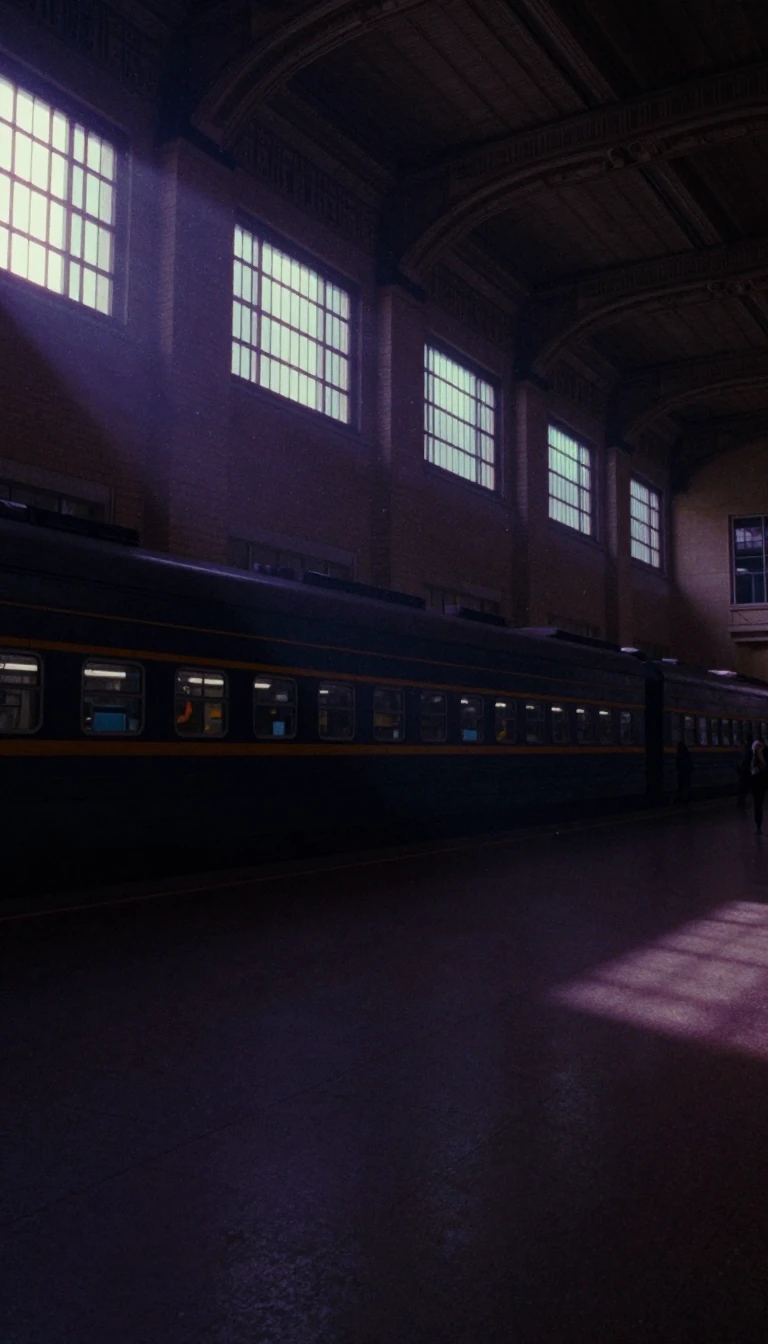 Amsterdam's metro system rose from the ashes of 1970s urban planning riotsAmsterdam's rapid transit network is a relatively modern invention, born from post-war traffic congestion and intense public pushback. While early 1920s proposals for underground …
 Beneath the streets of Athens, a modern transit network unearths ancient history.The Athens Metro is more than a rapid transit system; it is a subterranean museum. As engineers tunneled through the city to build modern lines, they uncovered thousands of years …
 The German Autobahn inspired the American interstate system, but they operate very differently.While the German Autobahn is famous for stretches without speed limits, its American counterpart was born from a president's desire for efficient military and civilian transit. Un…
 Spain's high-speed rail network: Why the AVE is more than just a trainThe Alta Velocidad Española, or AVE, is Spain's premier high-speed rail service. Beyond its ability to reach speeds of 300 km/h, the name is a clever linguistic nod to the Spanish…
 Barcelona’s metro system is a unique engineering hybrid operating on three distinct track gauges.While most global transit networks rely on a single standard, Barcelona’s metro stands alone in its complexity. By integrating three different track widths, the system bridges his…
 How Beijing built the world's longest metro system across a massive urban checkerboardBeijing Subway is a marvel of modern transit, holding the title of the world's longest metro system. With over 900 kilometers of track and hundreds of stations, it serves as the c…
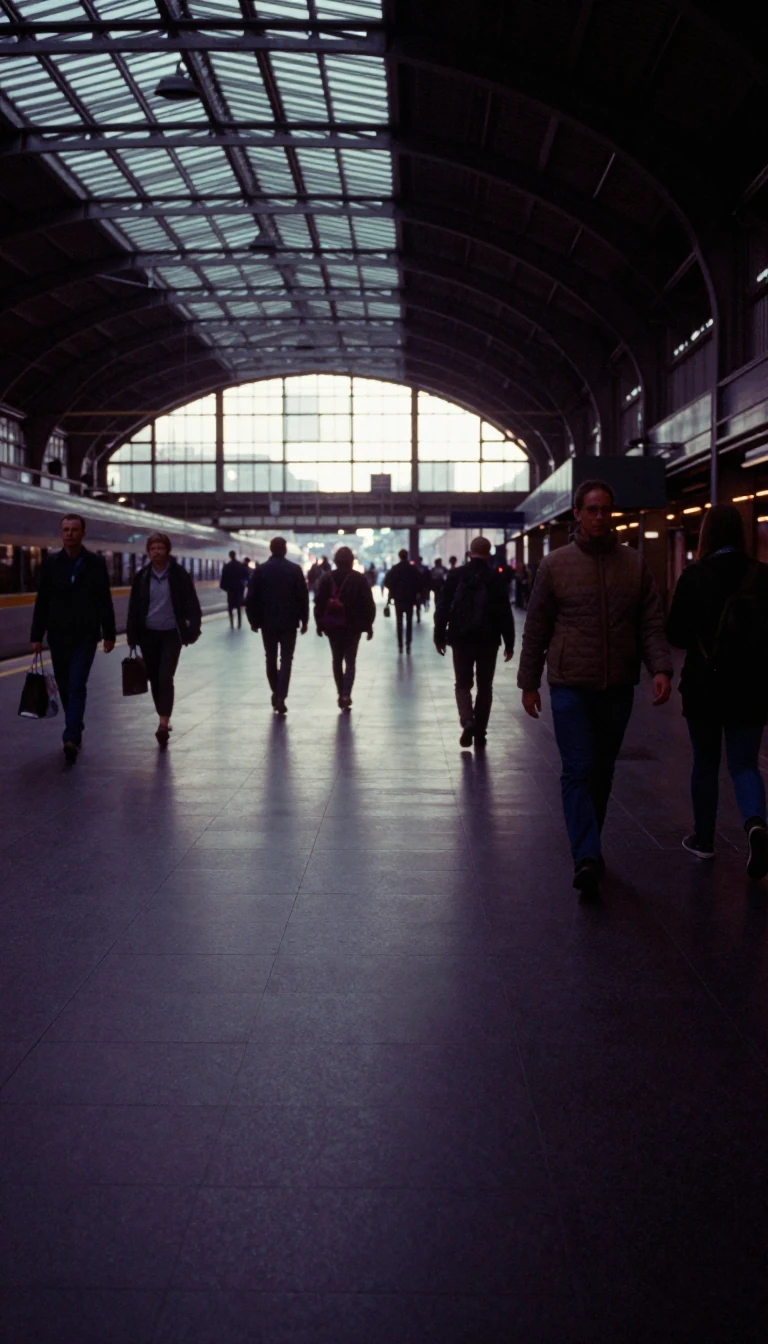 Berlin's U-Bahn was once a divided network of ghost stations and severed lines.Opened in 1902, the Berlin U-Bahn is a sprawling underground network that survived world wars, hyperinflation, and the city's Cold War partition. Today, it serves over 500 million…
 Beneath Brussels: How a Hybrid Network of Trams and Metros Shapes a CapitalBrussels operates a sophisticated transit system where conventional metro lines share the stage with premetro tramways. This dual-layered network, managed by the STIB/MIVB, evolve…
 How South Korea's second-largest city built a world-leading, multi-lingual underground transit networkBusan's metro is more than just a way to get around. Since its 1985 debut, this sprawling network has integrated advanced safety technology, multi-lingual navigation, and seamless…
 How Cairo Built Africa’s First Metro to Tame a Megacity’s TrafficWhen Cairo opened its first metro line in 1987, it transformed a city struggling with 10 million residents and severe transit congestion. Today, this expansive network serves as t…
 Once a symbol of modernity, the Caracas Metro now struggles with systemic decayInaugurated in 1983, the Caracas Metro was designed as a vital artery for Venezuela's capital. Today, the system faces severe operational hurdles, ranging from chronic maintenance…
 How a tiny island nation built the world's most awarded aviation gateway from scratch.Changi Airport is more than a transit hub; it is a global benchmark for efficiency and design. Handling nearly 70 million passengers annually, this Singaporean marvel transformed …
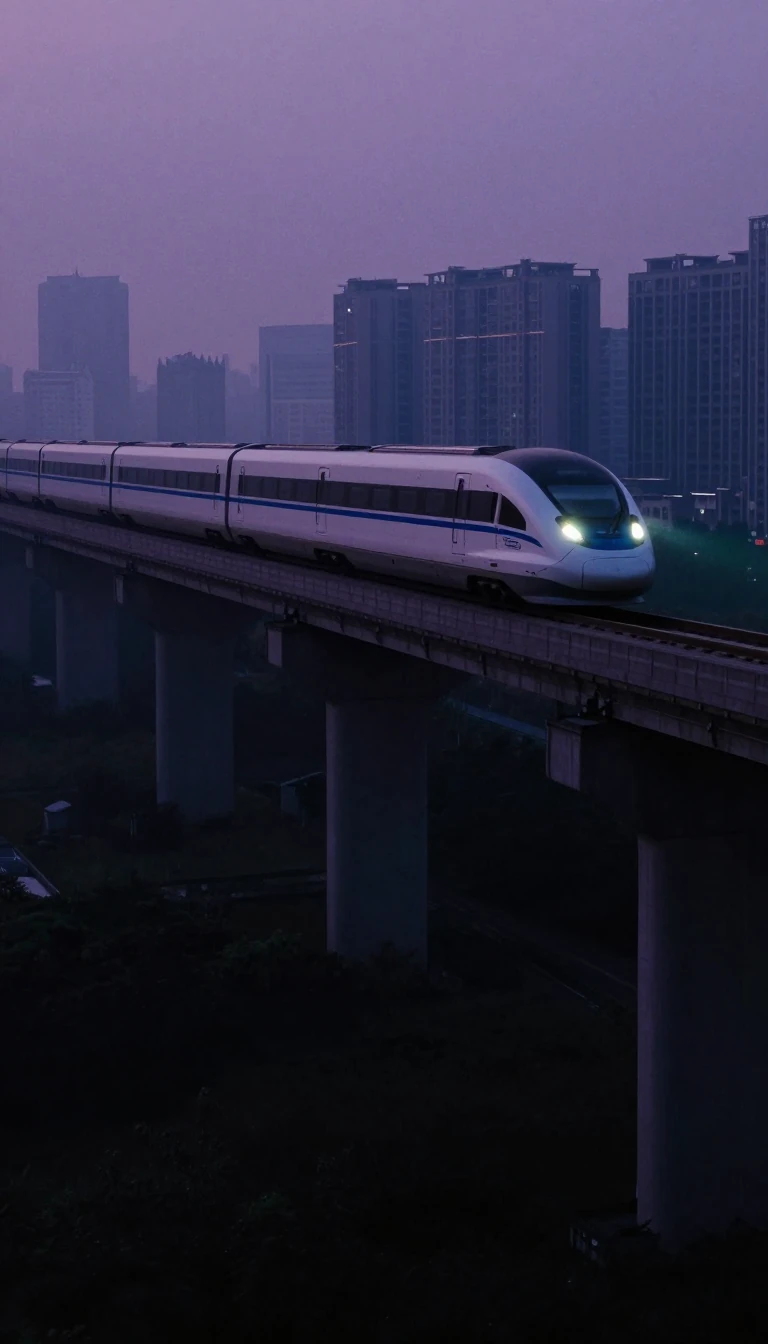 How China built the world's largest high-speed rail network in under two decadesChina Railway High-speed transformed national transit, growing from its 2007 debut to a massive network spanning nearly 40,000 kilometers. By blending imported technology with ind…
 A shortcut through China that changed the course of the Russian EmpireTo bridge its vast Siberian territories, Russia built a railway through Manchuria in the early 1900s. While intended as a peaceful trade shortcut to the Pacific, the Chinese Easte…
- How Chongqing built the world's most extreme transit network through mountains and riversChongqing's rapid transit system defies geography, weaving through steep hills and deep valleys. It features the world's longest monorail network, stations embedded inside residen…
 Copenhagen's driverless metro is a 24/7 engineering marvel that reshaped the city's urban landscape.Operating continuously since 2002, the Copenhagen Metro is one of only three rapid transit systems globally running 24/7 within city limits. This driverless network, owned by the …
- How Delhi built a world-class metro system in record time without the usual chaos.When Delhi launched its metro in 2002, it defied expectations. By creating an autonomous agency, the Delhi Metro Rail Corporation, the city avoided the political meddling and budg…
 Dubai Metro: How a Desert City Built the World's Longest Driverless Rail NetworkLaunched in 2009, the Dubai Metro transformed urban transit in the Arabian Peninsula. This fully automated, driverless system navigates both underground tunnels and elevated viadu…
 How Twelve Massive Trails Connect the Entire European Continent by FootImagine walking across borders without ever needing a passport or a plane. The European long-distance paths, or E-paths, form a sprawling network of twelve interconnected trails t…
- Can a network of 17 cycling routes truly unite the diverse landscapes of Europe?EuroVelo is an ambitious multinational project aiming to connect 40 countries through a massive network of long-distance cycling paths. Spanning over 60,000 kilometers, these rout…
 Italy's Red Arrow: How the Frecciarossa Redefined High-Speed Rail Across European BordersThe Frecciarossa, or Red Arrow, is Italy's premier high-speed train service. Rebranded from Eurostar Italia in 2008, these trains now reach speeds of 300 km/h on dedicated lines. …
- How a secret Cold War tunnel project became one of the world's busiest metrosGuangzhou Metro began as a clandestine 1965 military initiative named Project Nine, designed for wartime evacuations. Today, it is a massive, high-speed transit network. It evolve…
 How a former auto racetrack became the world's busiest mega-hub for air travelHartsfield–Jackson Atlanta International Airport handles more passengers than any other airport on Earth. From its humble origins on an abandoned speedway to its status as a massi…
- Finland's only metro system was born from decades of political scandal and briberyThe Helsinki Metro is the world's northernmost rapid transit system, yet its path to completion was anything but straightforward. From secret, unauthorized contracts to a high-pro…
- How a devastated city restored its tram network in just three daysWhen the atomic bomb struck Hiroshima in 1945, the city's tram system was decimated, with 108 of its 123 cars destroyed. Yet, in a feat of resilience, the network resumed operatio…
 How the German railway system became a central pillar of the Nazi extermination machineThe Holocaust was not merely a series of massacres; it was a logistical feat of industrial proportions. By integrating the Deutsche Reichsbahn into the Final Solution, the Nazis t…
 Hyderabad’s massive metro project is shifting from private hands to state controlWhat began as one of the world’s largest public-private infrastructure partnerships is undergoing a radical transformation. After years of financial strain, operational losses, an…
- Germany's high-speed rail flagship was born from a record-breaking experimental trainThe Intercity Express, or ICE, is the crown jewel of German rail. Reaching speeds of 320 km/h, this network evolved from a 1980s test project into a sophisticated international sy…
- Could a massive underwater tunnel one day connect Mumbai to the Middle East?Engineers are dreaming of a 1,200-mile submerged railway linking India to the United Arab Emirates. This ambitious project, designed for high-speed Maglev trains, would plunge nea…
 Kolkata Metro: The Decades-Long Evolution of India’s First Underground Rapid Transit SystemOpened in 1984, the Kolkata Metro stands as South Asia's pioneering rapid transit network. From its initial 1920s conceptualization to its modern status as a complex, multi-line s…
- How South Korea Transformed Its Congested Rail Network Into a High-Speed National BackboneBy the late 1970s, South Korea’s main transport arteries were failing under the weight of rapid industrialization. The government’s solution was the Korea Train eXpress (KTX), a m…
 How Kyiv’s Metro evolved from a 19th-century pipe dream to a deep-earth marvelThe Kyiv Metro is a transit titan, but its path to reality was anything but linear. From early Tsarist-era rejections to the logistical nightmares of moving trains via overhead cr…
 Why the Lyon Metro runs on the left and uses rubber wheelsFrance's Lyon Metro defies national conventions by running its trains on the left side of the tracks. This quirk is a relic of an abandoned plan to integrate the system with subur…
- Singapore's MRT: How a planned rail network became a subterranean fortress and art gallery.Born from a 1967 forecast, Singapore's Mass Rapid Transit system evolved from a controversial, high-cost project into a fully automated, driverless backbone of the nation. Today, …
- Boston's transit system is a complex web of historic tunnels and modern rail lines.Known as the T, the Massachusetts Bay Transportation Authority operates one of the oldest and busiest transit networks in the United States. From the nation's first subway tunnel …
 How Mexico City's Metro became an accidental treasure trove of ancient historyWhen engineers began digging the Mexico City Metro in the late 1960s, they were solving a modern traffic crisis. They did not expect to uncover thousands of years of human history…
- How Milan built a world-class subway system that evolved from steam-era dreams to automationMilan’s metro is Italy’s largest rapid transit network, spanning 111.8 kilometers across five lines. From its 1964 debut to today’s driverless technology, the system has transform…
- Why Montreal’s Metro runs on rubber tires instead of traditional steel wheelsInaugurated in 1966, Montreal’s underground transit system is famous for its quiet, rubber-tired trains. Inspired by Parisian engineering, this design choice allows the network to…
- How Hong Kong built a world-class transit system by becoming a property developerThe MTR is more than a railway; it is a masterclass in urban integration. By developing massive housing estates and shopping complexes directly above its stations, the MTR Corpora…
- Mumbai is building a massive 523-kilometre metro network to solve its transit crisisMumbai, a city of over 20 million people, is transforming its commute. To relieve its famously overcrowded suburban railway, the city is constructing a vast, multi-phase metro sys…
- The Munich U-Bahn: A Rapid Transit Network Carrying Millions Beneath the Bavarian CapitalSince its 1971 debut, the Munich U-Bahn has evolved into a vital urban artery. Spanning 95 kilometres with 100 stations, this electric network moves hundreds of millions of passen…
 How Nagoya’s Rapid Transit System Evolved From Wartime Planning to a Modern Circular NetworkNagoya’s subway system, which now spans 93.3 kilometers and serves 87 stations, was born from the urgent necessity of a rapidly industrializing city. Once a shelved project hinder…
- How Bengaluru’s Namma Metro evolved from a 1977 proposal into a massive transit networkNamma Metro, the rapid transit system serving Bengaluru, has grown from early planning stages in the late 1970s into India's second-largest metro network. Navigating complex geolo…
- The Orient Express was never just one train, but a shifting legend of luxuryThe Orient Express is synonymous with intrigue, yet its history is a fragmented puzzle of changing routes, competing services, and shifting borders. While it began as a pioneering…
- Osaka Metro is the only Japanese subway system legally classified as a tram networkWhile it functions as a full-fledged rapid transit backbone for millions of daily commuters, Osaka Metro occupies a unique legal niche in Japan. Unlike every other subway system i…
- How a 19th-century suburban tramway evolved into one of Europe's most efficient metro systemsThe Oslo Metro began as a modest suburban tram line in 1898, long before it became a unified rapid transit network. Today, it serves 101 stations across the Norwegian capital, ope…
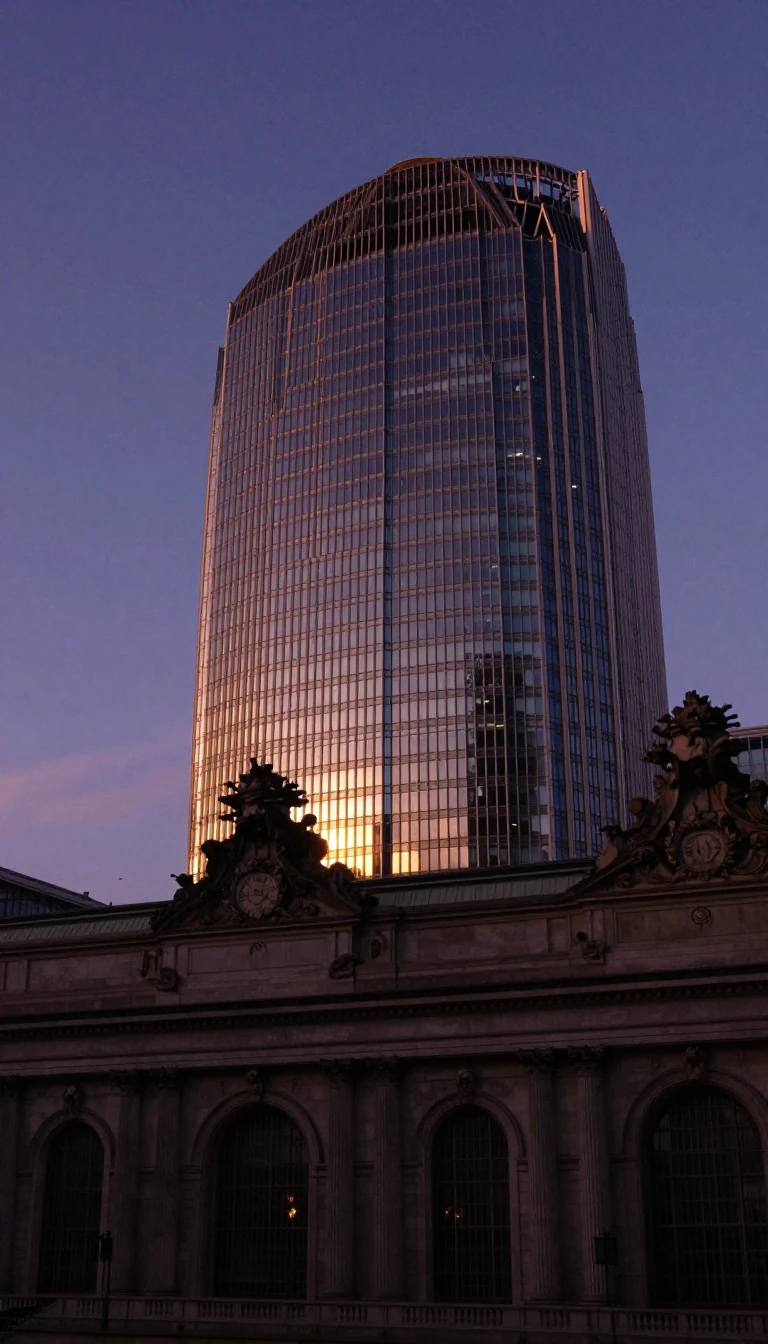 Paris Charles de Gaulle Airport is undergoing a massive terminal renumbering in March 2027.Spanning over 32 square kilometres, Paris Charles de Gaulle is the busiest airport in the European Union. While it currently operates through a complex web of terminals and sub-te…
 How a Secret Gauge Saved the Paris Metro from National TakeoverThe Paris Metro was born from a fierce tug-of-war between the city and the French state. To prevent the government from seizing control of its new urban rail network, Paris engine…
- Beneath Prague's historic streets lies a complex transit network with a surprising socialist past.The Prague Metro is more than just a commute; it is a radial triangle of deep-level tunnels and Soviet-era engineering. From the deepest station in the European Union to tunnels b…
- How a massive, abandoned hole became the future of Rio's underground transit networkWhen construction of Gávea Station stalled in 2015, it left behind a 35-meter-deep crater. To protect nearby buildings, authorities flooded the site with 36 million liters of wate…
 Why Rome's modern metro system is a literal journey through thousands of years of historyBuilding a subway in the Eternal City is a logistical nightmare. Every time engineers break ground, they hit ancient ruins, forcing them to turn transit stations into archaeologic…
- The Dutch metro system that blurs the line between rapid transit and light railRotterdam operates a unique hybrid transit network where trains seamlessly switch between third-rail power and overhead wires. While officially a metro, parts of the system functi…
- The S-Bahn is a hybrid rail system that bridges suburbs and city centersThe S-Bahn is more than just a train; it is a specialized hybrid of commuter rail and rapid transit. By linking outlying towns to urban cores via high-frequency central corridors,…
 How São Paulo built a world-class metro system from the ground upSince its inception in the 1960s, the São Paulo Metro has consistently pushed the boundaries of transit technology. From early adoption of automated signaling to pioneering driver…
- Why Saint Petersburg built one of the world's deepest metro systems undergroundSaint Petersburg sits on soft topsoil and underground rivers, forcing its metro deep beneath the surface. With stations reaching 86 metres down, it is the world's deepest system b…
- How a devastating 1985 earthquake reshaped the future of Santiago's massive underground rail networkThe Santiago Metro is a marvel of modern transit, carrying nearly three million passengers on its busiest days. Yet, its path to becoming the backbone of Chile's capital was far f…
 Why Japan's only rubber-tired subway system runs with its windows wide openThe Sapporo Municipal Subway is a transit anomaly. As the only fully rubber-tired subway system in Japan, it relies on a unique central rail guidance system. Because heavy winter …