Petrarch’s 1336 Ventoux climb foreshadowed pleasure hiking
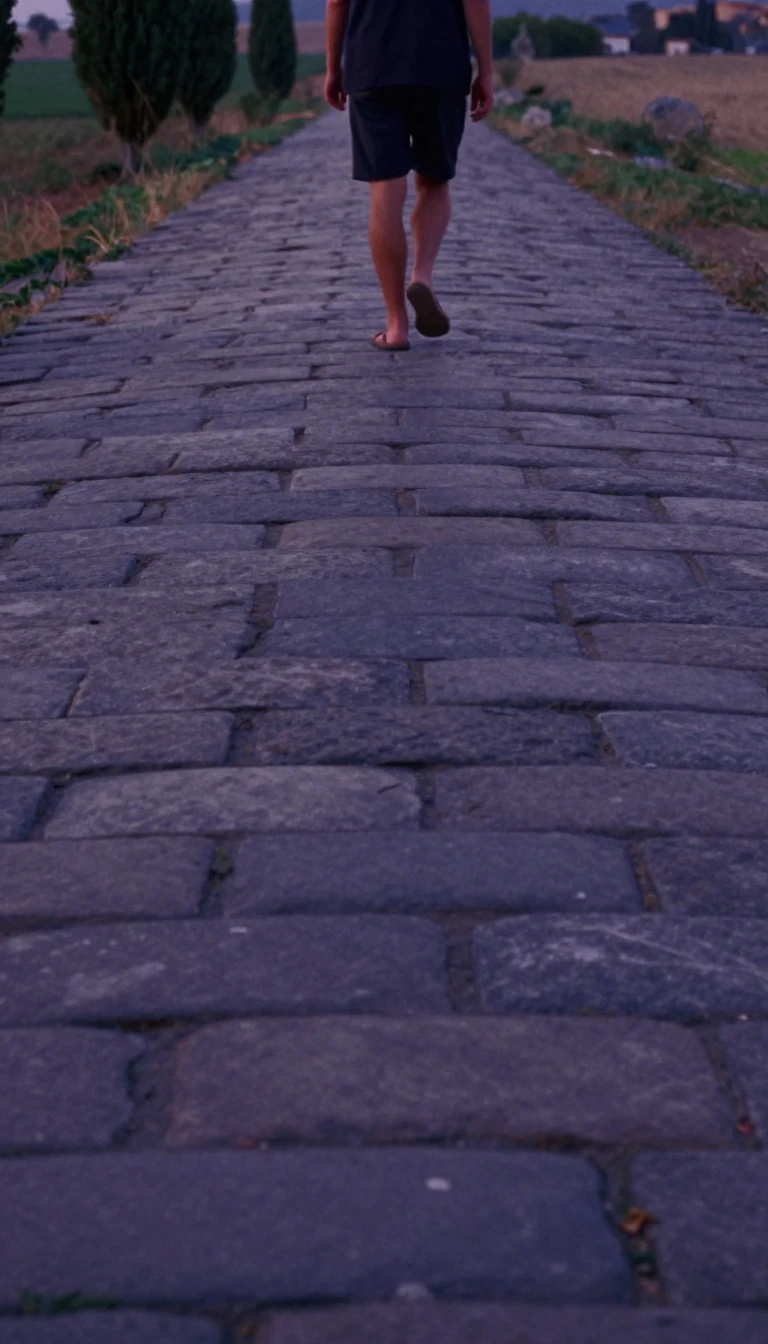
In short: Hiking is a long outdoor walk for recreation, on or off trail; day hikes finish before nightfall. Pilgrimages are older, but walking the countryside for pleasure flowered in eighteenth-century Europe. Petrarch’s 26 April 1336 ascent of Mont Ventoux with his brother is a favorite early emblem.
Terms vary: North Americans say hiking, Britons walking, rambling, or fell walking, Australians bushwalking, and New Zealanders tramping. Multi-day mountain hikes are trekking, and covering a long trail end to end is thru-hiking. Petrarch’s implied claim to be first was challenged by Lynn Thorndike in 1943, who noted that Jean Buridan climbed Ventoux before 1334. Hadrian climbed Etna in 125 CE, Antoine de Ville’s 1492 ascent of Mont Aiguille with ropes and ladders is often called the birth of mountaineering, and the Swiss naturalist Conrad Gessner is credited as the first to hike purely for pleasure.
Romanticism changed attitudes to landscape. Thomas West’s 1778 guide to the Lake District offered viewing stations, William Wordsworth toured France, Switzerland, and Germany in 1790 and wrote Tintern Abbey after a 1798 walk with his sister Dorothy, and John Keats set off through Scotland in 1818. Robert Louis Stevenson’s Travels with a Donkey (1879) and John Muir’s posthumous A Thousand Mile Walk to the Gulf carried the genre on.
In industrial England, walkers from Manchester and Sheffield found the moors privately owned. Clubs such as the Sunday Tramps of 1879 campaigned for a right to roam, and after access bills failed from 1884 to 1932, ramblers staged a mass trespass on Kinder Scout in 1932. The 1949 National Parks Act led to the Peak District becoming Britain’s first national park in 1951, and a 2000 act widened access in England and Wales.
Old pilgrim routes remain popular. The North Downs Way follows the Pilgrims’ Way to Canterbury, and the French Way of the Camino de Santiago runs from Saint-Jean-Pied-de-Port about 780 kilometres beyond Roncesvalles to Santiago, typically taking at least four weeks.
Opens the Intellect+ feed with this card first. Swipe up for the next one.
Sources
- Summary by Intellect · source: Hiking
- Also: Wikidata — hiking · CC0
- Also: Wikidata — Hiking · CC0
To cite this card, link to https://intellectplus.co.uk/app/sport-hiking.
How we source, check and correct cards: Editorial standards.
General information, not professional advice. Spotted an error? Flag the card or see corrections and complaints.
Intellect Plus is a visual educational discovery platform for exploring fascinating facts and ideas. Brain Food, Not Brain Rot. What is Intellect Plus?
Related
More in Sports and recreation · More in Sport & Games · Latest · A–Z · All topics
