How a century of disaster and architectural ambition transformed a Glasgow football icon
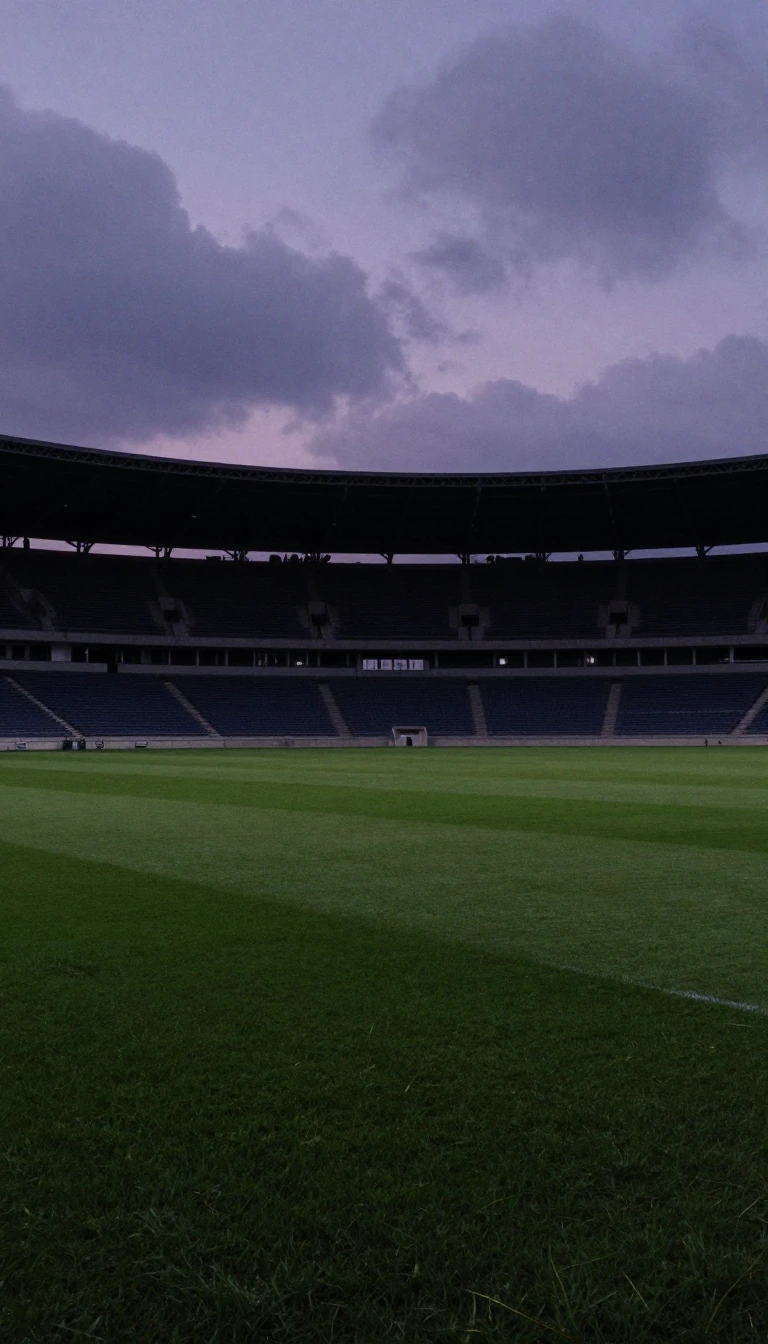
In short: Ibrox Stadium has evolved from a wooden-terraced park into a modern, all-seated fortress. Shaped by tragedy, financial risk, and the pioneering vision of architect Archibald Leitch, the ground has survived insolvency and fire to remain one of the most imposing and storied venues in world football.
The history of Ibrox is defined by a cycle of catastrophe and radical renewal. Opened in 1899, the original Ibrox Park followed the era's standard design: an oval track surrounding the pitch with wooden terracing. This structure proved fatal in 1902 when a section collapsed, killing 25 people. Despite this, the site remained a hub for innovation. Architect Archibald Leitch, whose red-brick Main Stand remains a Category B listed building today, was hired to expand the ground. By 1910, Glasgow boasted the three largest purpose-built football stadiums in the world, with Ibrox hosting a record-breaking 118,567 spectators for an Old Firm match in 1939.
Safety remained a persistent, tragic challenge throughout the 20th century. Following a series of crushes on the steep, overcrowded Stairway 13, the worst disaster in British football history occurred there in 1971, claiming 66 lives. The subsequent public inquiry exposed a lack of enforceable safety standards. In response, Rangers embarked on a high-stakes, £6 million redevelopment plan in 1978. Modeled after the Westfalenstadion in Germany, the club replaced the dangerous bowl-shaped terraces with three rectangular, all-seated stands. This move was financially perilous, nearly depleting the club's resources, but it ultimately set a new standard for stadium safety and management in Britain.
The modern Ibrox, which reached a capacity of 51,700 by 2024, reflects a blend of heritage and corporate ambition. The Main Stand, now the Bill Struth Main Stand, retains its iconic red-brick facade and Leitch-style criss-cross detailing, while the addition of the Club Deck in 1991 and various corner infills have modernized the facility. Beyond football, the stadium has hosted the 2014 Commonwealth Games rugby sevens and numerous Scotland international matches. Despite facing insolvency in 2012 and the shifting economic tides of the Great Recession, Ibrox continues to serve as a symbol of Rangers' enduring influence in Scottish sport.
Opens the Intellect+ feed with this card first. Swipe up for the next one.
Sources
- Summary by Intellect · source: Ibrox Stadium
- Also: Wikidata — Ibrox Stadium · CC0
To cite this card, link to https://intellectplus.co.uk/app/sport-ibrox-stadium.
How we source, check and correct cards: Editorial standards.
General information, not professional advice. Spotted an error? Flag the card or see corrections and complaints.
Intellect Plus is a visual educational discovery platform for exploring fascinating facts and ideas. Brain Food, Not Brain Rot. What is Intellect Plus?
Related
More in Cricket · More in Sport & Games · Latest · A–Z · All topics
